10 Common Myths About Organic Farming Debunked


Myth 1: Organic Farming Doesn't Use Pesticides
One of the most common misconceptions about organic farming is that it completely avoids the use of pesticides. In reality, organic farming does use pesticides, but they are typically derived from natural sources. These are often considered to be less harmful than synthetic pesticides used in conventional farming.
Myth 2: Organic Farming Is Always Better for the Environment
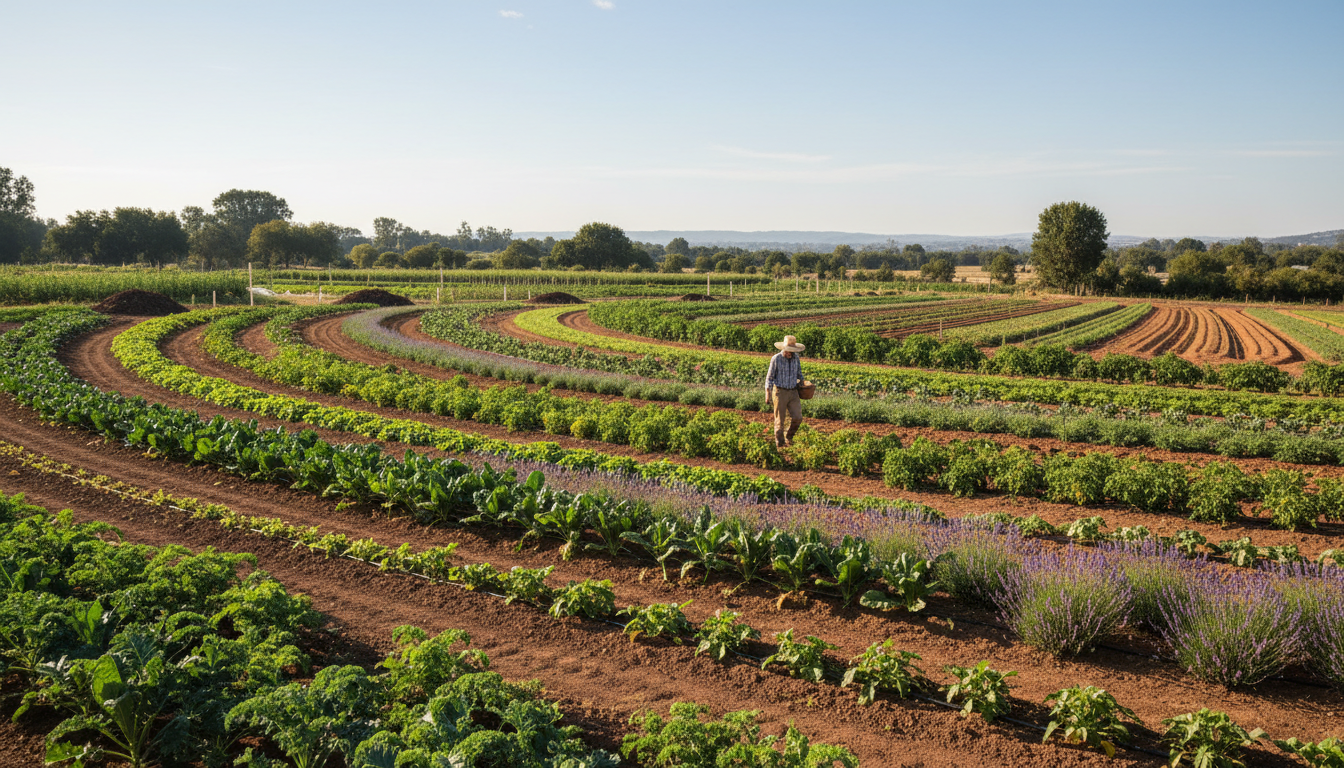
While organic farming can be better for the environment in some cases, it's not always the most sustainable option. The lower yields of organic farming can lead to the need for more land to produce the same amount of food, which can contribute to deforestation and habitat loss.
Additionally, some organic farming practices, such as tilling, can lead to soil erosion and degradation. It's crucial to consider the specific practices and context when evaluating the environmental impact.
Myth 3: Organic Food Is Pesticide-Free
Many consumers believe that organic food is completely free of pesticides, but this isn't entirely true. Organic farmers are permitted to use certain approved natural pesticides. While these are generally less harmful, they are still present in organic products.

Myth 4: Organic Farming Is Always Non-GMO
Organic farming prohibits the use of genetically modified organisms (GMOs), yet the belief that all organic products are GMO-free can be misleading. Cross-contamination can occur, particularly in regions where GMOs are prevalent, affecting organic crops.
Myth 5: Organic Farming Is Simple and Low-Tech
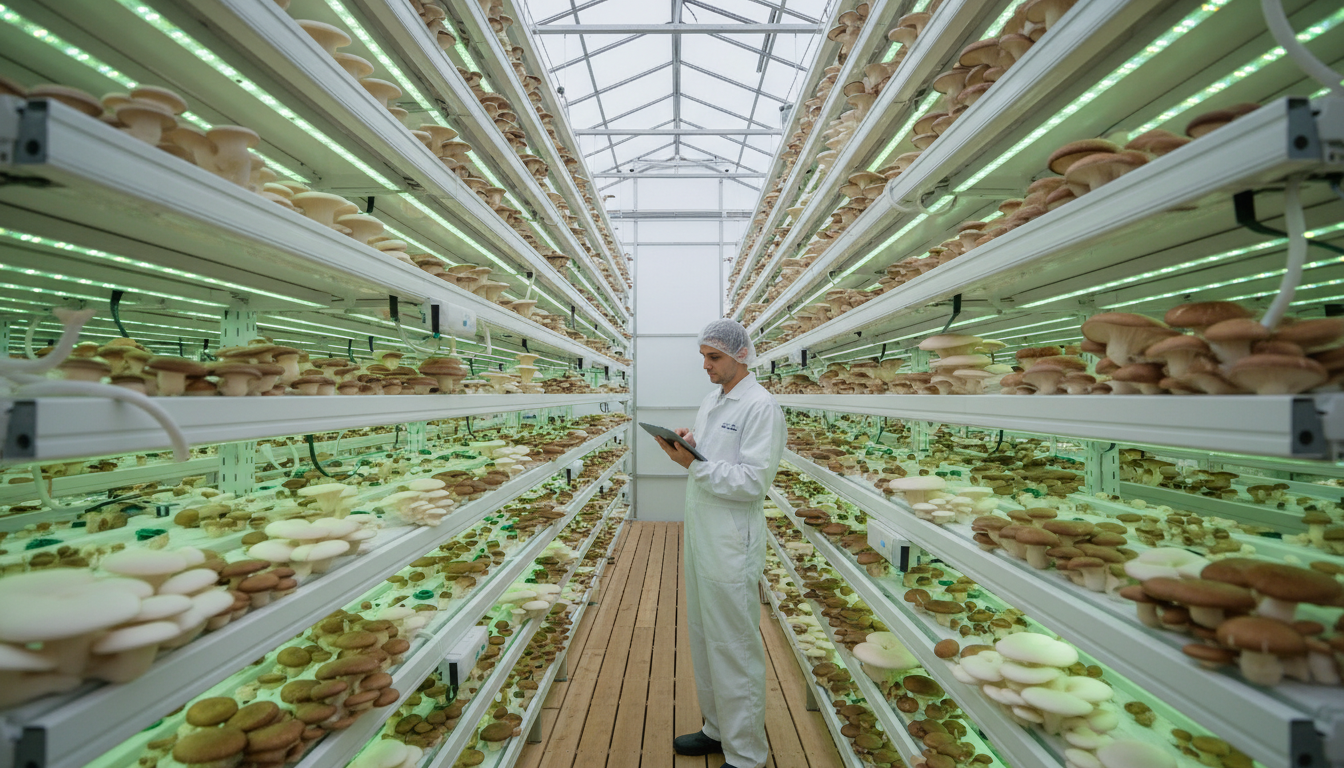
Contrary to popular belief, organic farming can be highly sophisticated and technology-driven. Farmers often use advanced techniques and technology to manage soil health, water use, and pest control effectively without synthetic inputs.
Myth 6: Organic Food Is Always Healthier
While organic food can have health benefits, it is not inherently healthier than conventional food. Both organic and non-organic foods can provide essential nutrients, and the health benefits largely depend on the overall diet and lifestyle.
Myth 7: Organic Farming Is More Expensive to Operate
While organic products often have a higher price tag, the cost of operating an organic farm is not necessarily higher. Factors such as location, crop type, and farm size can influence operating costs. Some organic practices can reduce expenses, such as using natural fertilizers instead of chemical ones.
Myth 8: Organic Farming Is a New Trend
Organic farming is often seen as a modern trend, but it has ancient roots. Traditional farming methods that avoided synthetic inputs have been practiced for centuries around the world, laying the groundwork for today's organic farming practices.