A Comprehensive Guide to Organic Farming in Lombok


Introduction to Organic Farming in Lombok
Organic farming has gained significant momentum in recent years, especially in regions like Lombok, where the natural environment provides an ideal setting for sustainable agriculture. This guide explores the essentials of organic farming in Lombok, offering insights into its benefits and practical steps for implementation.
The Benefits of Organic Farming
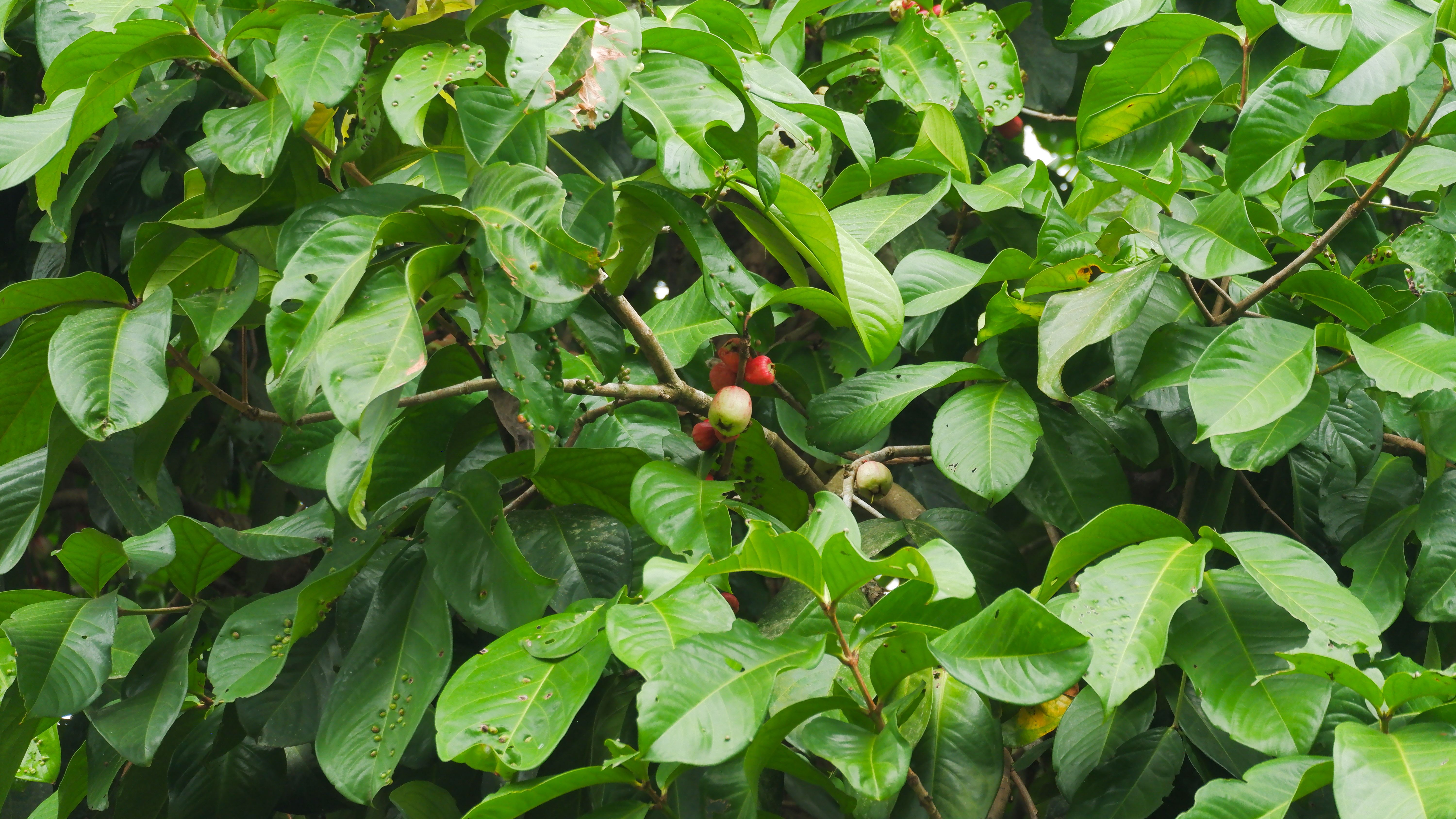
Organic farming is not just about growing food without synthetic pesticides or fertilizers. It’s a holistic approach to agriculture that prioritizes environmental health, biodiversity, and sustainable practices. In Lombok, organic farming also supports the local economy by promoting eco-friendly tourism and providing healthier food options for residents and visitors alike.
Key benefits of organic farming include:
- Environmental sustainability: Organic methods reduce pollution and conserve water.
- Enhanced biodiversity: Promotes diverse ecosystems and wildlife.
- Healthier produce: Free from harmful chemicals, offering nutritional benefits.
Implementing Organic Farming Techniques
Transitioning to organic farming involves adopting various techniques that focus on soil health, crop diversity, and pest management. Here are some essential practices:
Soil Management
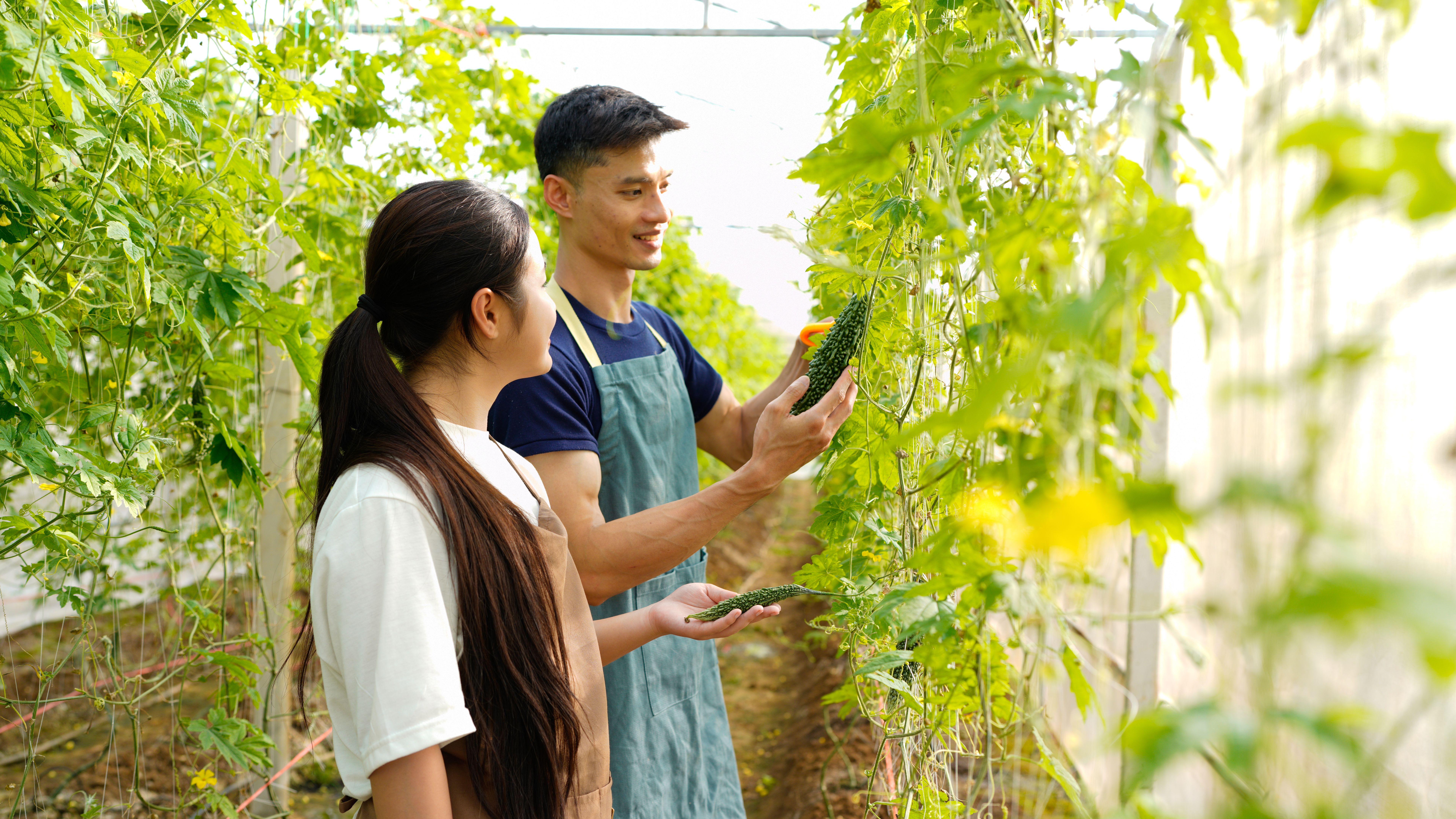
Maintaining healthy soil is crucial. Organic farmers in Lombok use composting and green manures to enrich the soil naturally, enhancing its fertility and structure.
Crop Rotation and Diversity
Crop rotation is vital in organic farming. By rotating crops, farmers can prevent soil depletion and reduce pest infestations. Diverse plantings also contribute to a balanced ecosystem.
Pest and Weed Management
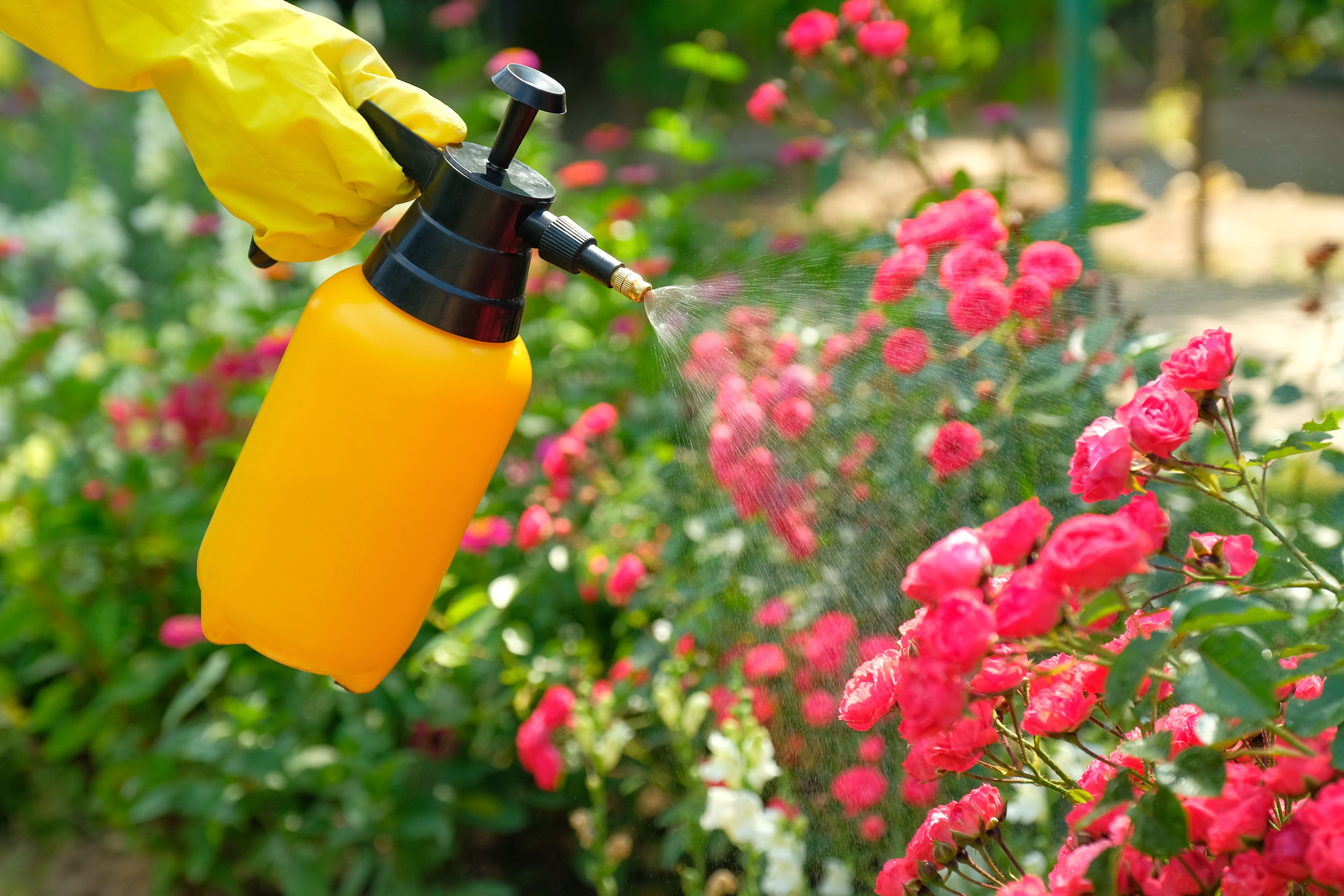
In organic farming, pests and weeds are managed through natural methods rather than chemical pesticides. Techniques like companion planting and natural predators help control pest populations effectively.
Companion Planting
This method involves planting certain crops together to naturally repel pests and enhance growth. For instance, marigolds are often planted alongside vegetables to deter insects.
Natural Predators
Encouraging natural predators like ladybugs and birds can help manage pest populations without harming the environment.
The Future of Organic Farming in Lombok
Lombok is well-positioned to become a leader in organic farming, thanks to its rich natural resources and growing awareness of sustainability. As more farmers adopt organic practices, the island can expect to see increased economic benefits and improved environmental health.
By embracing organic farming, Lombok not only supports its local communities but also contributes to global efforts to create a more sustainable and healthy food system.