A Comprehensive Guide to Organic Farming in Lombok


Introduction to Organic Farming in Lombok
Lombok, an island in Indonesia, is gaining recognition for its commitment to sustainable agriculture. With its fertile soil and favorable climate, Lombok offers an ideal environment for organic farming. This guide explores the principles, benefits, and practices of organic farming in this vibrant region.
The Principles of Organic Farming
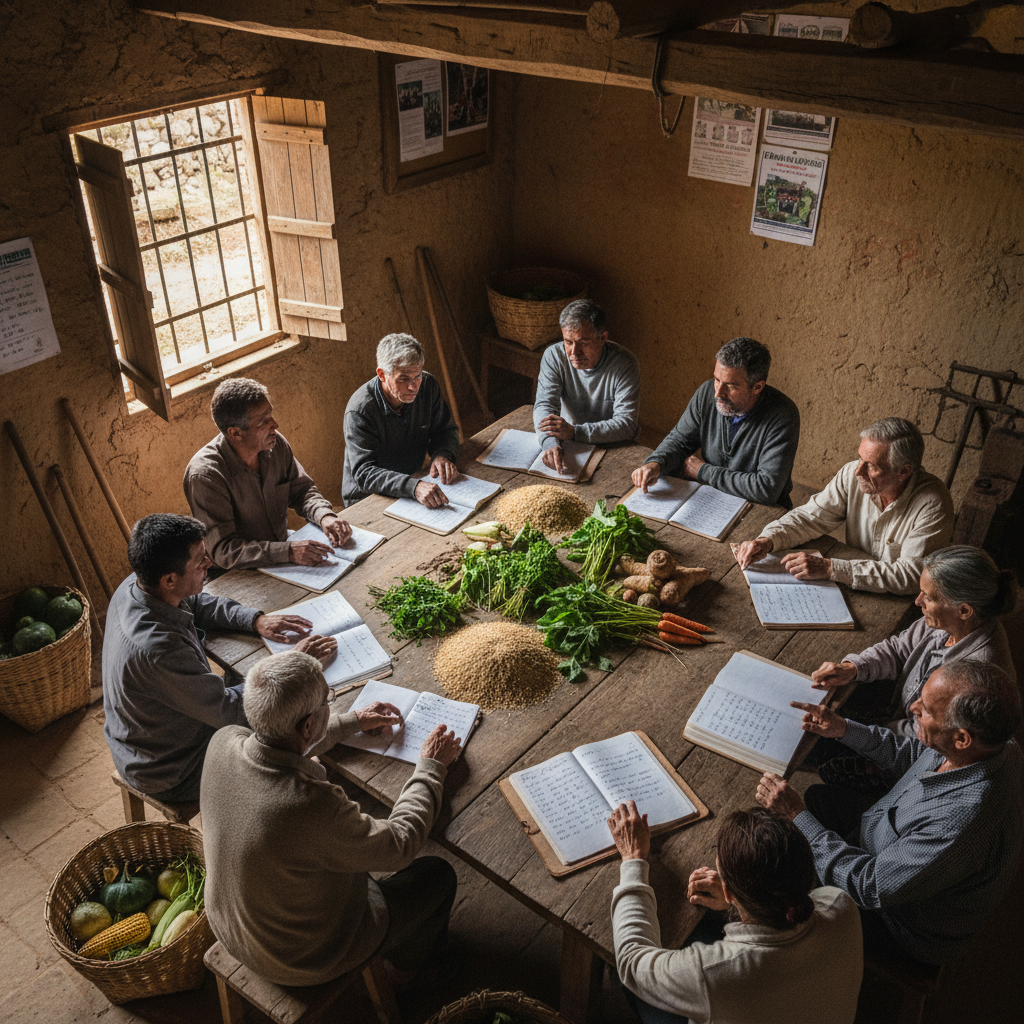
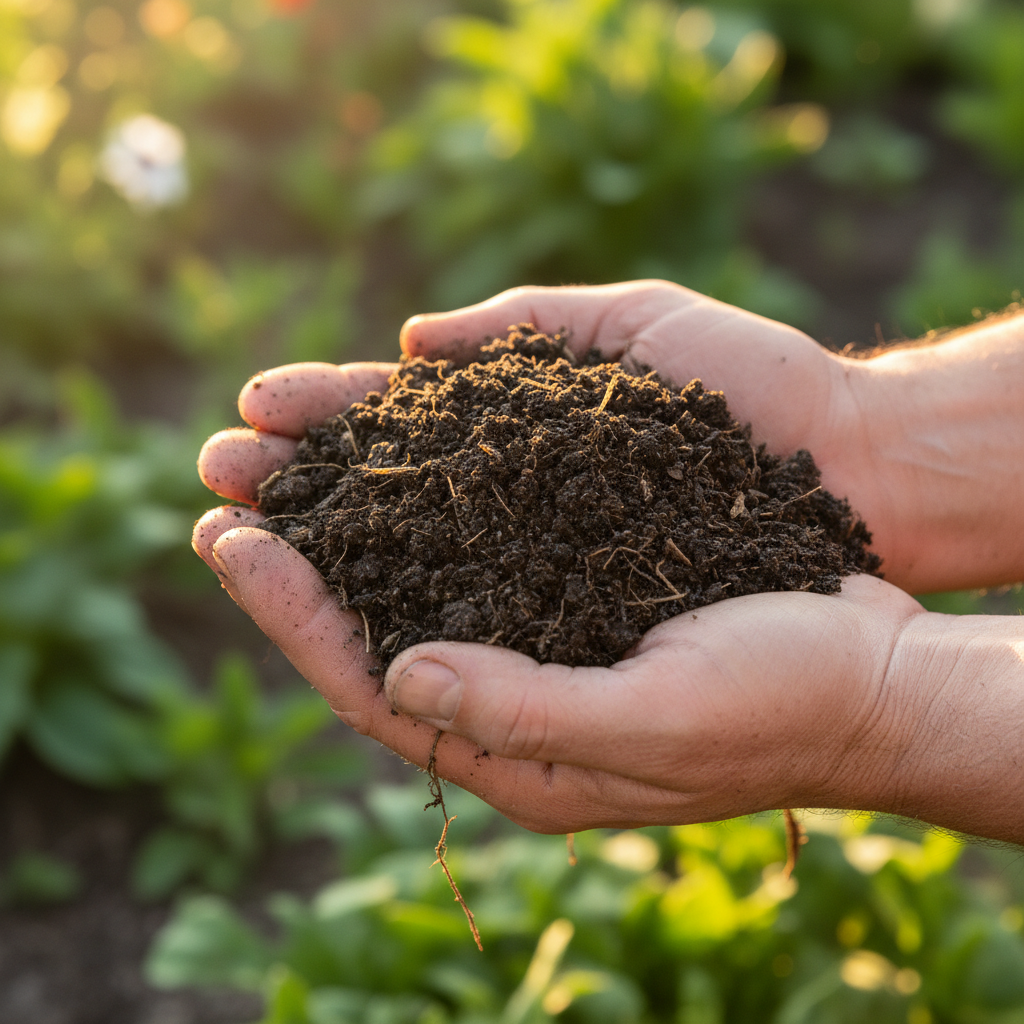
Organic farming in Lombok is centered around maintaining ecological balance and biodiversity. Farmers avoid synthetic fertilizers and pesticides, opting instead for natural alternatives. The focus is on building healthy soil, which in turn nurtures robust crops.
Key principles include crop rotation, composting, and the use of green manure. These practices help replenish nutrients and improve soil structure, ensuring sustainable agricultural production.
Benefits of Organic Farming in Lombok
Organic farming offers numerous benefits to the local community and the environment. One of the most significant advantages is the reduction of chemical runoff, which protects local water sources and marine life. Additionally, organic farming supports biodiversity by creating habitats for various species.
Economically, organic products often fetch higher prices in the market, providing farmers with better income opportunities. This economic boost helps sustain the livelihoods of many families in Lombok.
Organic Farming Practices in Lombok
Lombok farmers employ a variety of practices to maintain the integrity of their organic crops. These include:
- Integrated Pest Management (IPM): Utilizing natural predators and plant-based repellents to control pests.
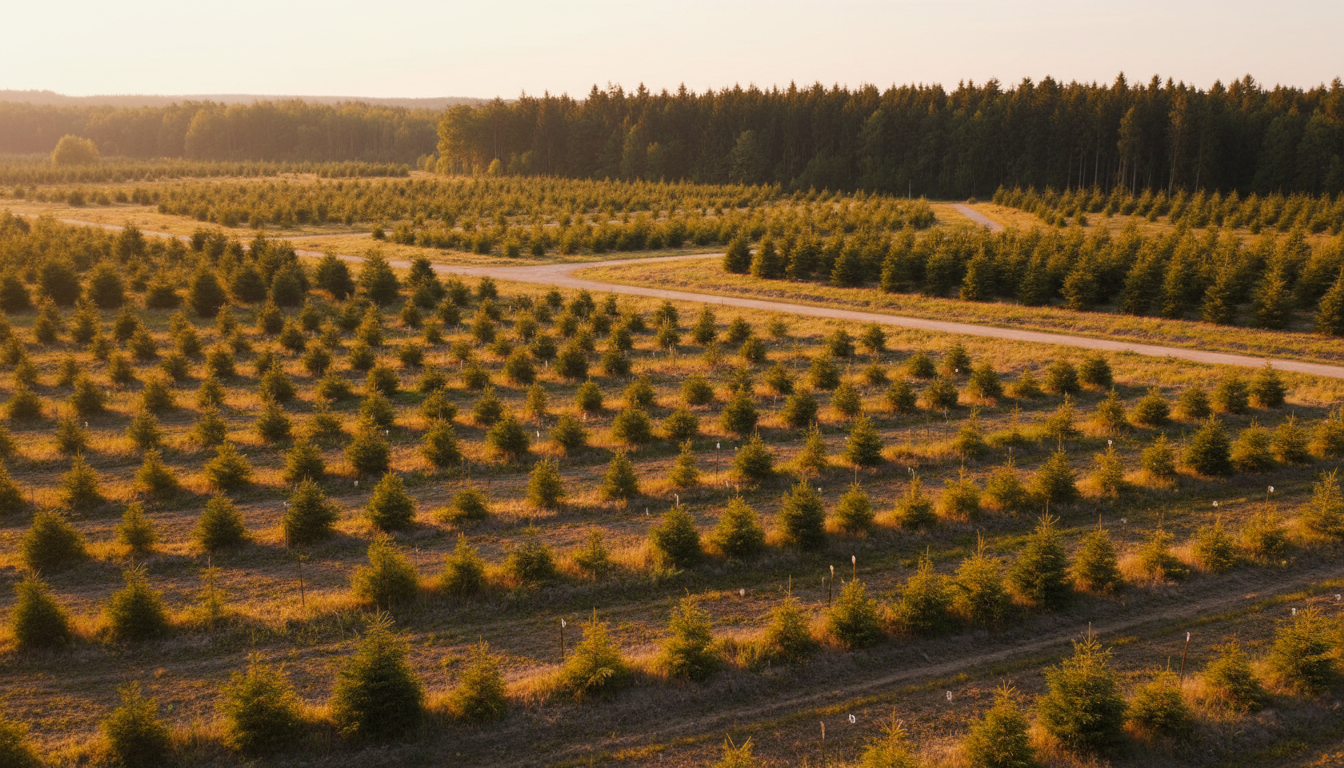
- Agroforestry: Combining trees and shrubs with crops to enhance biodiversity and soil health.
- Water Conservation: Implementing efficient irrigation systems to minimize water usage.
Challenges Faced by Organic Farmers
Despite its benefits, organic farming in Lombok faces several challenges. One major issue is the lack of access to organic seeds and inputs. Additionally, farmers may struggle with pest outbreaks that require innovative solutions without resorting to chemicals.
Education and training are crucial to overcoming these challenges. By providing farmers with the necessary knowledge and resources, we can ensure the continued growth of organic farming in Lombok.
The Future of Organic Farming in Lombok
The future of organic farming in Lombok looks promising, as more farmers and consumers recognize its value. Local and international demand for organic products is on the rise, encouraging more farmers to adopt sustainable practices.

Government support and collaboration with environmental organizations can further strengthen the organic farming movement, creating a resilient agricultural sector that benefits both people and the planet.
Conclusion
Organic farming in Lombok is more than just a method of agriculture; it's a commitment to sustainability and environmental stewardship. By embracing organic practices, Lombok is paving the way for a healthier and more sustainable future. As this movement grows, it holds the potential to transform the island into a model for organic agriculture worldwide.