A Comprehensive Guide to Organic Farming Techniques at Sunrise Farm Lombok


Introduction to Organic Farming
At Sunrise Farm Lombok, we embrace the principles of organic farming to cultivate our crops sustainably and responsibly. Organic farming is not just about avoiding synthetic chemicals; it's a holistic approach to growing food that enhances soil health, preserves ecosystems, and supports biodiversity. In this guide, we’ll explore the various techniques that make our farm a model of organic agriculture.
Soil Health and Management
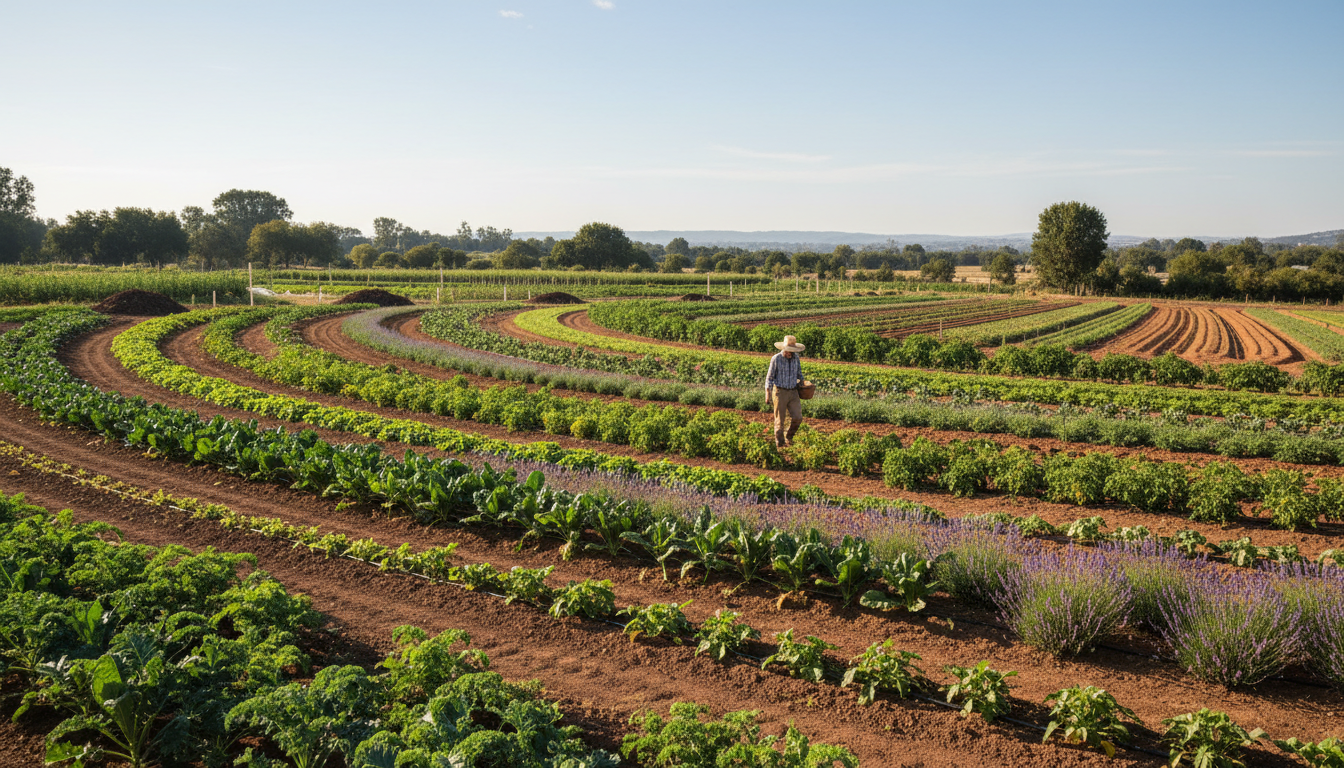
One of the cornerstones of organic farming at Sunrise Farm Lombok is maintaining healthy soil. We believe that rich, fertile soil is the key to growing nutritious crops. Our practices include the use of compost, cover cropping, and crop rotation to improve soil structure and nutrient content. These methods help retain moisture and reduce erosion, ensuring that the land remains productive for future generations.
In addition to these techniques, we use natural amendments like rock phosphate and green manure to enrich the soil. By fostering a diverse microbial ecosystem, we enhance the soil’s ability to support plant growth without relying on chemical fertilizers.
Pest and Disease Management
Managing pests and diseases in an organic system requires creativity and diligence. At Sunrise Farm Lombok, we employ a variety of strategies to keep our crops healthy. These include introducing beneficial insects, such as ladybugs and predatory beetles, which naturally control pest populations.
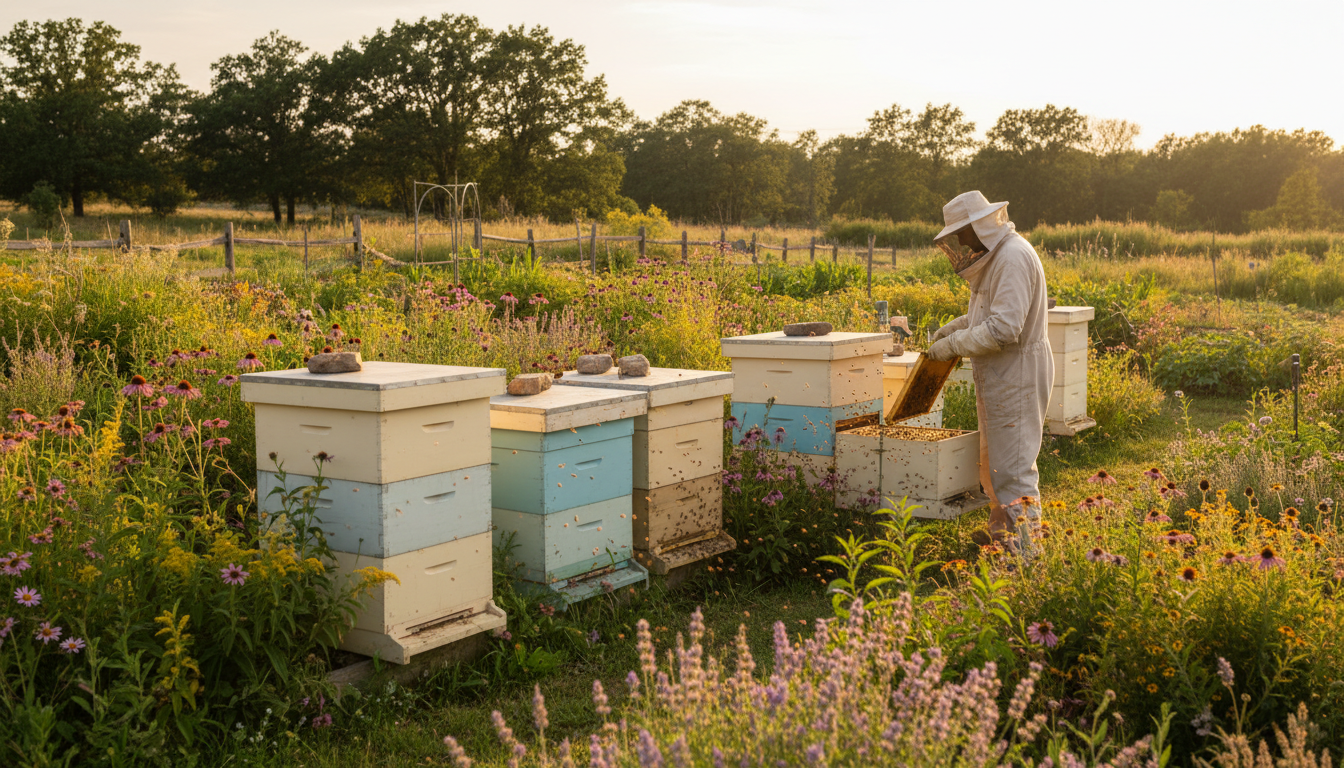
We also use companion planting to deter pests and attract pollinators. For example, planting marigolds alongside vegetables can repel nematodes and other harmful insects. Regular monitoring and crop rotation further help prevent the buildup of pests and diseases.
Water Conservation Techniques
Water is a precious resource, and conserving it is a priority at Sunrise Farm Lombok. We utilize drip irrigation systems to deliver water directly to the plant roots, minimizing evaporation and runoff. This method is highly efficient and helps us conserve water while ensuring that our crops receive the necessary hydration.
Additionally, we practice mulching, which involves covering the soil with organic materials such as straw or wood chips. Mulching helps retain soil moisture and suppresses weed growth, reducing the need for frequent watering.

Benefits of Organic Farming
Organic farming offers numerous benefits, not only for the environment but also for consumers. By avoiding synthetic pesticides and fertilizers, we produce food that is free from harmful chemicals. This results in fresher, tastier produce that supports health and well-being.
Moreover, organic farming practices enhance biodiversity and promote a balanced ecosystem. By fostering a healthy environment, we contribute to the sustainability of local wildlife and plant species.
Conclusion
At Sunrise Farm Lombok, we are committed to organic farming techniques that prioritize environmental stewardship and the production of high-quality food. Through careful soil management, pest control, water conservation, and a deep respect for nature, we aim to lead the way in sustainable agriculture. We invite you to visit our farm and experience the benefits of organic farming firsthand.