A Comprehensive Guide to Sustainable Farming at Sunrise Farm Lombok


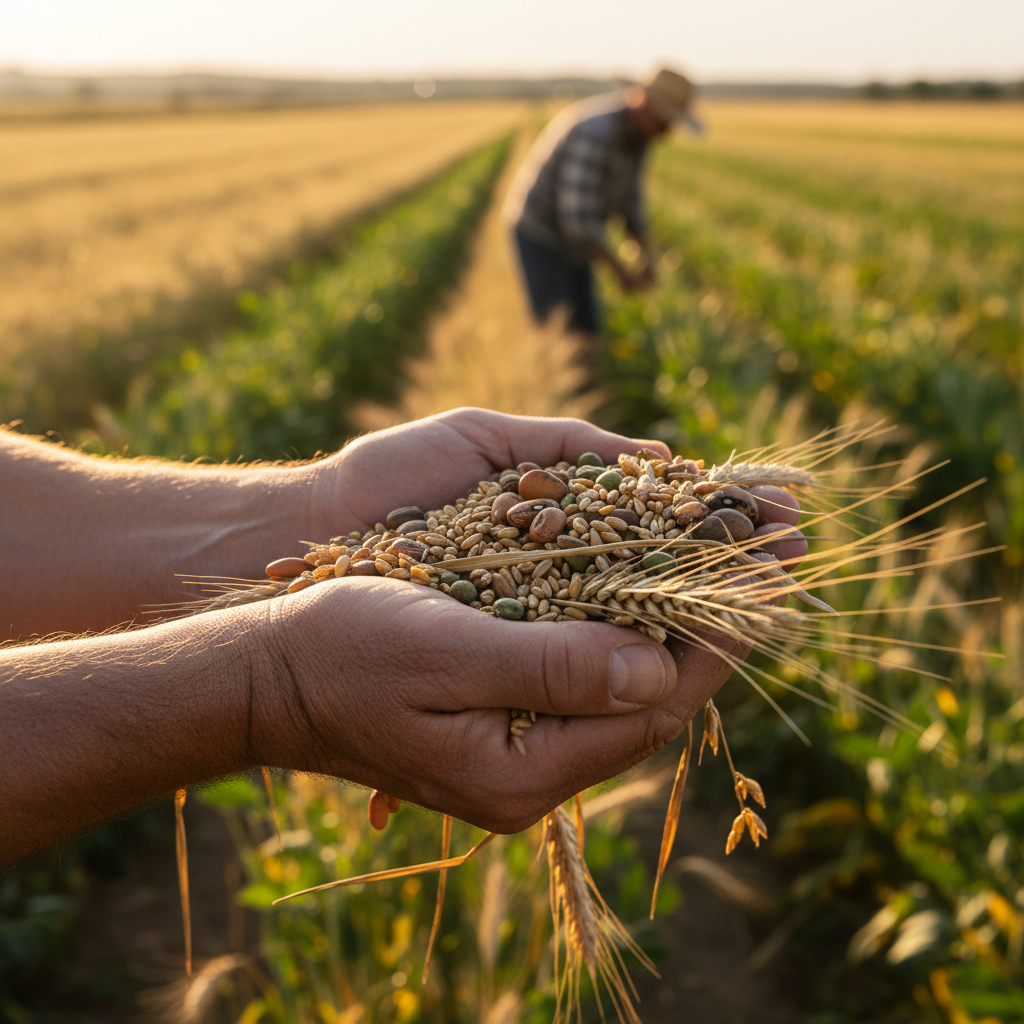
At Sunrise Farm Lombok, sustainable farming is not just a practice; it's a way of life. Nestled in the lush landscapes of Indonesia, this farm is dedicated to preserving the environment while producing high-quality crops. The journey towards sustainability here is a testament to innovation and dedication.
Understanding Sustainable Farming
Sustainable farming is about meeting the needs of the present without compromising future generations. At its core, it involves practices that protect the environment, enhance soil fertility, and support biodiversity. Sunrise Farm Lombok exemplifies this by integrating traditional methods with modern technology.
Key components of sustainable farming include crop rotation, organic fertilization, and water management. These practices help maintain ecological balance and ensure long-term productivity.
Crop Rotation and Soil Health
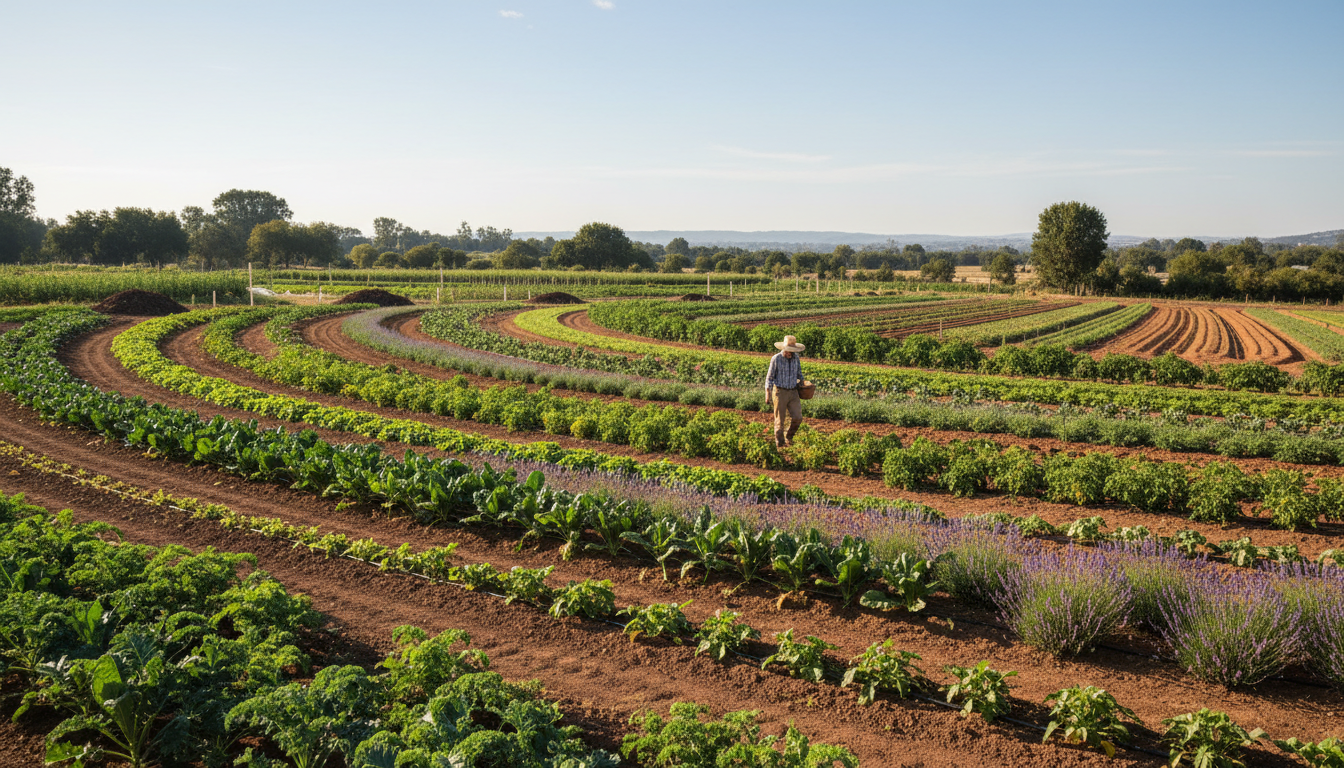
One of the fundamental practices at Sunrise Farm is crop rotation. By alternating crops each season, the farm prevents soil depletion and reduces the risk of pests and diseases. This method not only maintains soil health but also improves yields.
Additionally, the farm employs cover cropping techniques to enrich the soil. By planting specific crops that naturally add nutrients back into the earth, Sunrise Farm ensures a fertile environment for future planting.
Organic Fertilization Techniques
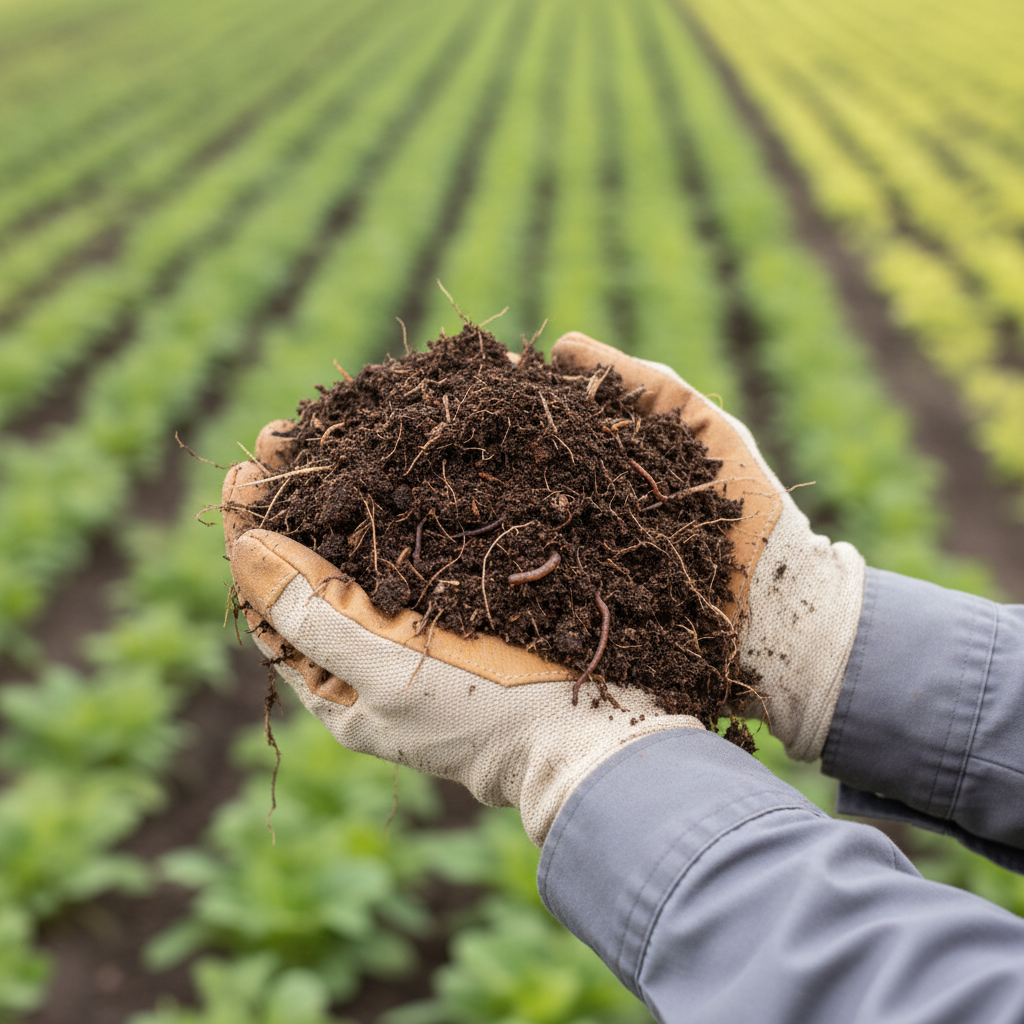
Sunrise Farm Lombok uses organic fertilizers to nourish the soil. These fertilizers are derived from natural sources such as composted plant material and animal manure. This approach minimizes chemical inputs and fosters a healthy ecosystem.
Composting is a significant part of this process. By recycling organic waste into nutrient-rich compost, the farm reduces waste and enhances soil fertility.
Water Conservation Strategies
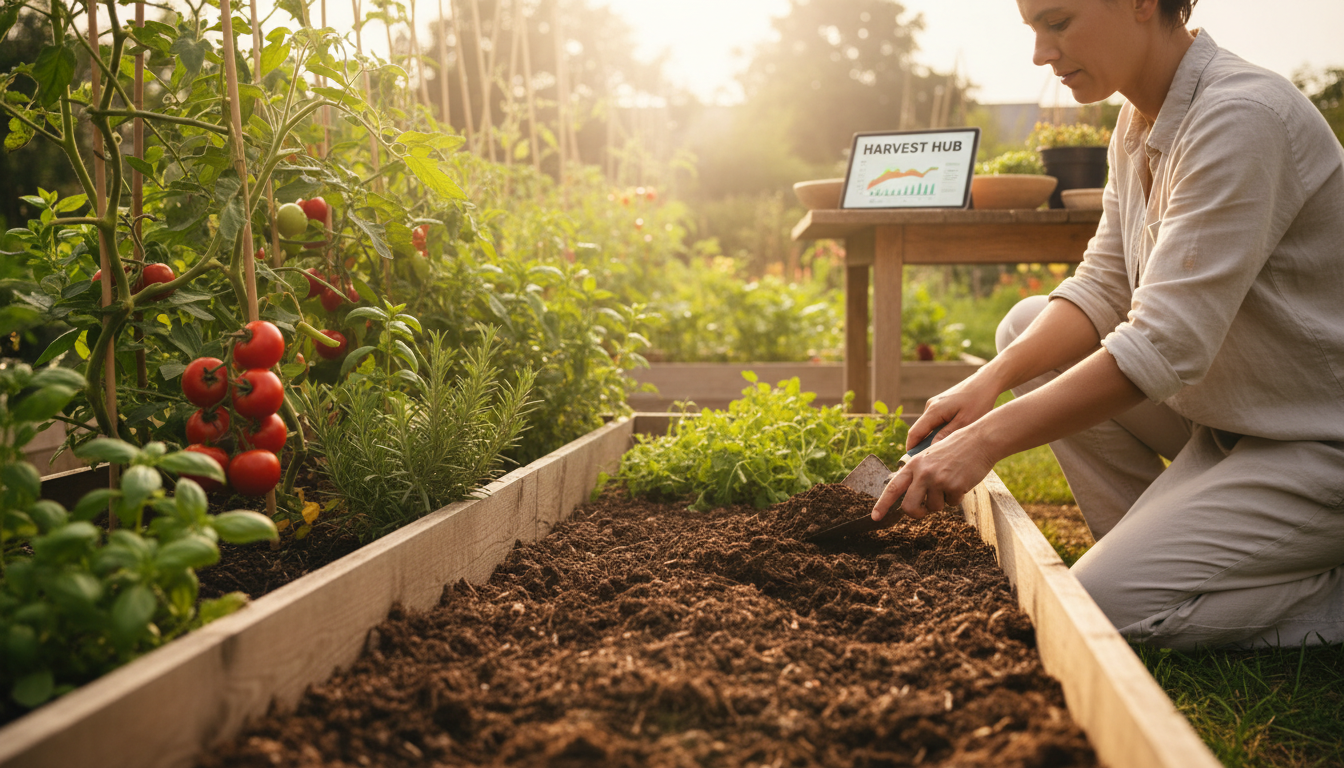
Water is a precious resource, and Sunrise Farm employs innovative strategies to conserve it. Drip irrigation systems deliver water directly to plant roots, minimizing evaporation and waste. This method is both efficient and environmentally friendly.
Rainwater harvesting is another crucial practice. By collecting and storing rainwater, the farm reduces reliance on external water sources and ensures availability during dry periods.
Biodiversity and Ecosystem Support
Maintaining biodiversity is essential for a resilient farming system. Sunrise Farm fosters a diverse ecosystem through polyculture, where multiple crops are grown together. This diversity helps control pests naturally and encourages beneficial insects.
Habitat creation is also a priority. By preserving natural areas and planting native species, the farm supports various wildlife, contributing to a balanced ecosystem.

Community Involvement and Education
Sustainability at Sunrise Farm extends beyond the fields. The farm actively involves the local community, offering educational programs and workshops. These initiatives aim to spread awareness about sustainable farming practices and empower locals to implement them.
By sharing knowledge and resources, Sunrise Farm Lombok fosters a culture of sustainability that benefits both people and the planet.
Conclusion
Sunrise Farm Lombok is a shining example of how sustainable farming can be both productive and environmentally friendly. Through innovative techniques and community engagement, the farm is paving the way for a more sustainable future. By embracing these practices, we can all contribute to a healthier planet.