Common Misconceptions About Farming in Lombok and the Real Facts


Misconception: Farming in Lombok is Primitive
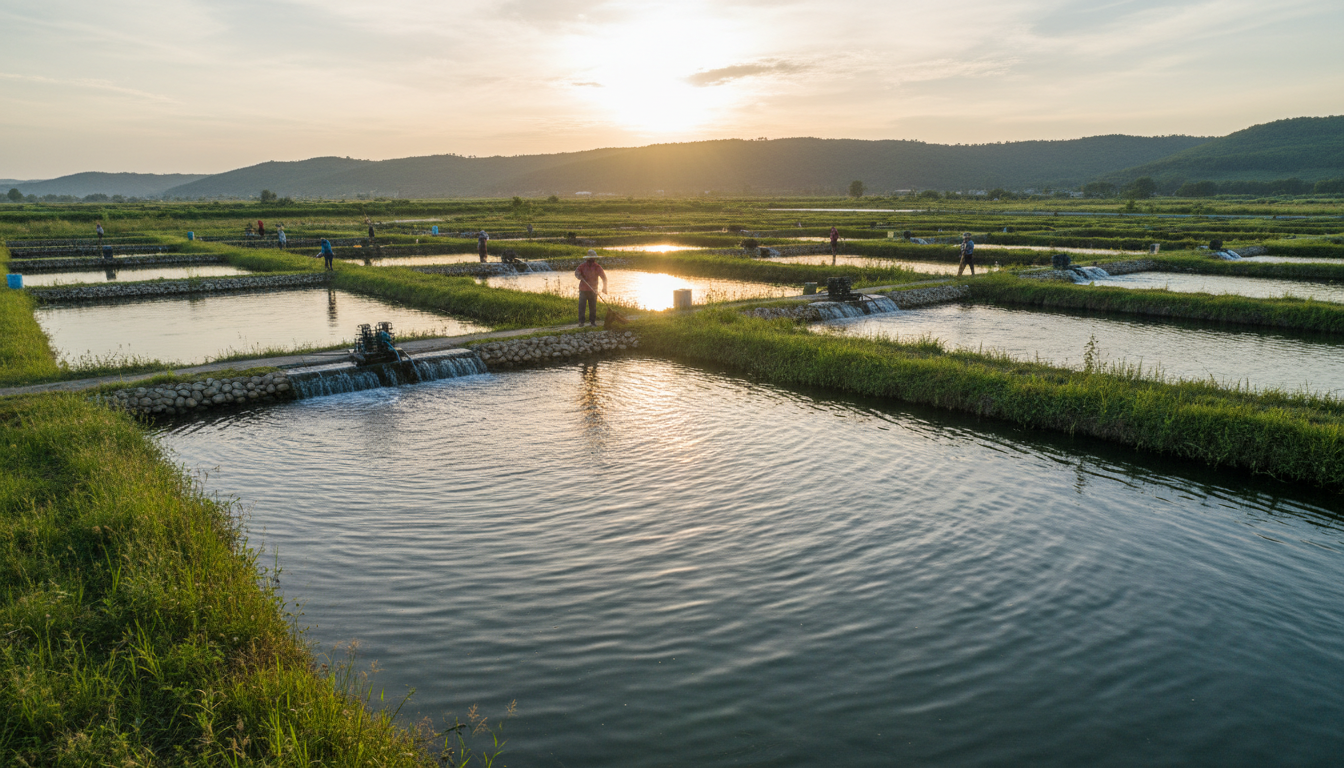
One common misconception about farming in Lombok is that it relies solely on primitive methods. While traditional techniques are indeed part of the island's agricultural heritage, many farmers have embraced modern technology to enhance productivity. The integration of technology has allowed for more efficient water management and crop monitoring.
Farmers in Lombok often use a mix of traditional wisdom and modern innovations. This combination ensures sustainable farming while maximizing yields. The use of drones for monitoring crop health and automated irrigation systems are becoming increasingly common.
Misconception: Lombok Only Grows Rice
Another misconception is that Lombok's agriculture is limited to rice cultivation. While rice is a staple crop, the island boasts a diverse range of agricultural products. Farmers grow a variety of fruits and vegetables, including chilies, tomatoes, and watermelons.
In addition to these, Lombok is known for its production of spices such as vanilla and cloves. The island's diverse climate and fertile soil make it ideal for cultivating a wide range of crops, contributing to its agricultural richness.
Misconception: Farming is the Only Source of Income
While farming plays a significant role in Lombok's economy, it is not the sole source of income for many residents. Tourism has become a major industry, and many farmers have diversified their income by engaging in tourism-related activities.
Some farmers offer agro-tourism experiences, where visitors can learn about traditional farming techniques and even participate in farming activities. This diversification helps boost the local economy and provides farmers with additional income streams.

Misconception: Farmers Lack Formal Education
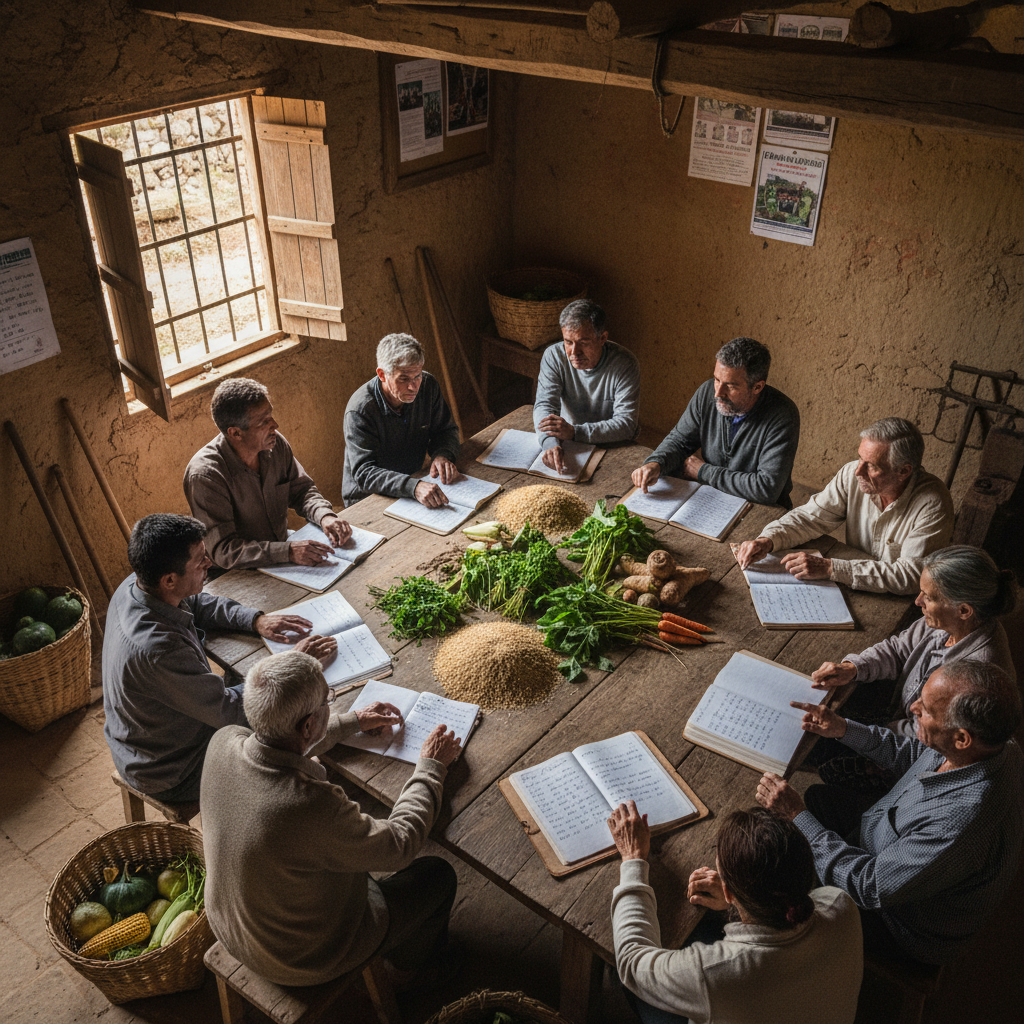
It is often assumed that farmers in Lombok lack formal education. However, many farmers have received training and education through government programs and non-profit organizations. These programs focus on sustainable farming practices and business management skills.
Education and training empower farmers to adopt innovative practices and improve their livelihoods. It also ensures that they can compete in the global market, offering high-quality produce to international buyers.
Misconception: Farming Practices Harm the Environment
There is a belief that farming in Lombok is harmful to the environment. In reality, many farmers are committed to sustainable practices. Organic farming is gaining popularity, and initiatives are in place to promote soil conservation and reduce chemical use.
Community-based programs focus on reforestation and the preservation of local biodiversity. These efforts help maintain the ecological balance and ensure that farming practices contribute positively to the environment.