Common Misconceptions About Organic Farming Debunked by Sunrise Farm Lombok


Understanding Organic Farming
Organic farming often evokes images of small, idyllic farms and pristine produce. However, there are several misconceptions that cloud the understanding of this sustainable practice. At Sunrise Farm Lombok, we are dedicated to clearing up these misunderstandings and showing how organic farming can benefit both consumers and the environment.
Myth 1: Organic Farming Yields Less
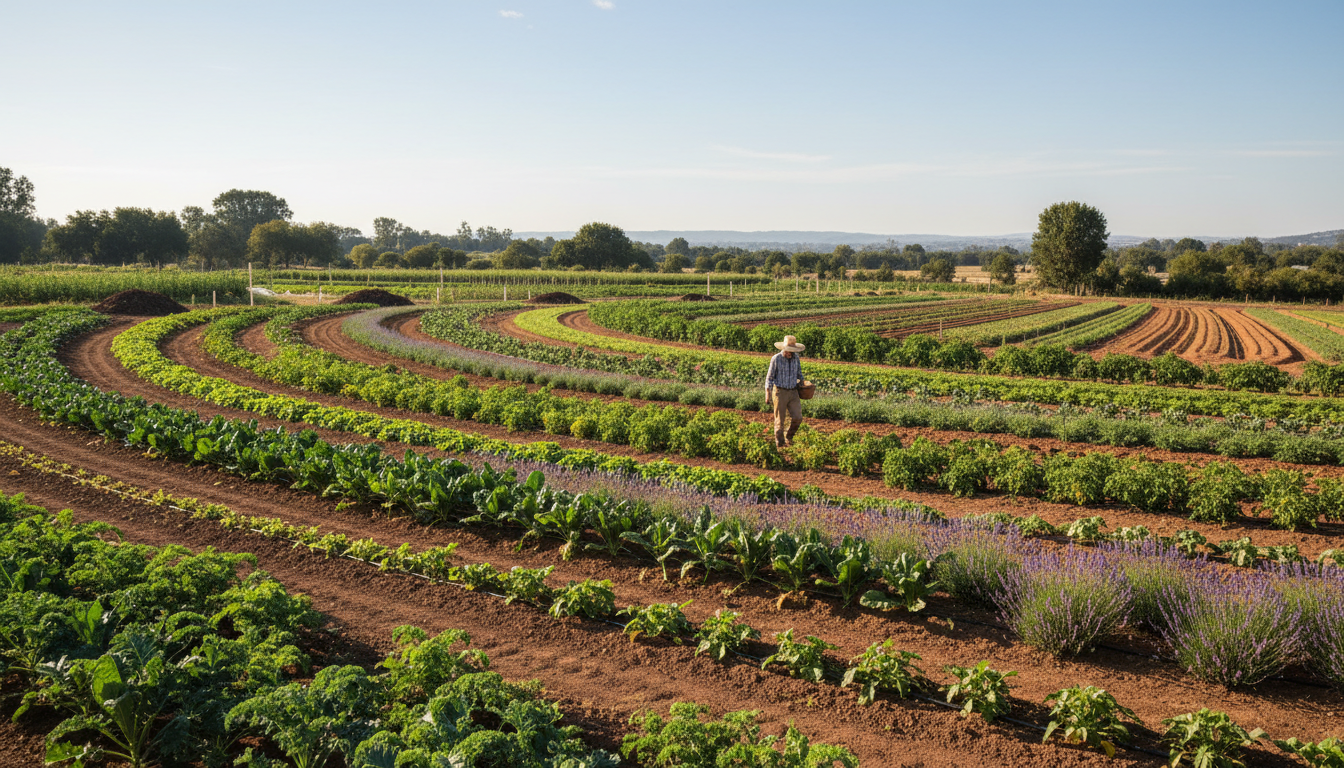
A common belief is that organic farms produce significantly less than conventional farms. While initial yields might be lower during the transition phase, organic farming can achieve comparable yields over time. By employing crop rotation, natural pest management, and soil enrichment techniques, farmers can enhance productivity sustainably.
Myth 2: Organic Produce Is Always More Expensive
While organic products may have higher prices, it's not always the case. The cost often reflects the true price of sustainable farming practices and environmental stewardship. Additionally, as demand increases and more farms adopt organic methods, prices are becoming more competitive.

The Environmental Impact of Organic Farming
One of the most significant misconceptions is that organic farming does not significantly impact the environment. In reality, organic farming plays a crucial role in preserving biodiversity, improving soil health, and reducing pollution.
Myth 3: Organic Farming Uses No Chemicals
Organic farming does use certain approved natural substances for pest and disease control. The key difference is that these are carefully regulated and monitored to ensure minimal environmental impact. Organic standards emphasize enhancing natural ecosystems rather than relying on synthetic chemicals.
Myth 4: Organic Certification Is Just a Marketing Gimmick
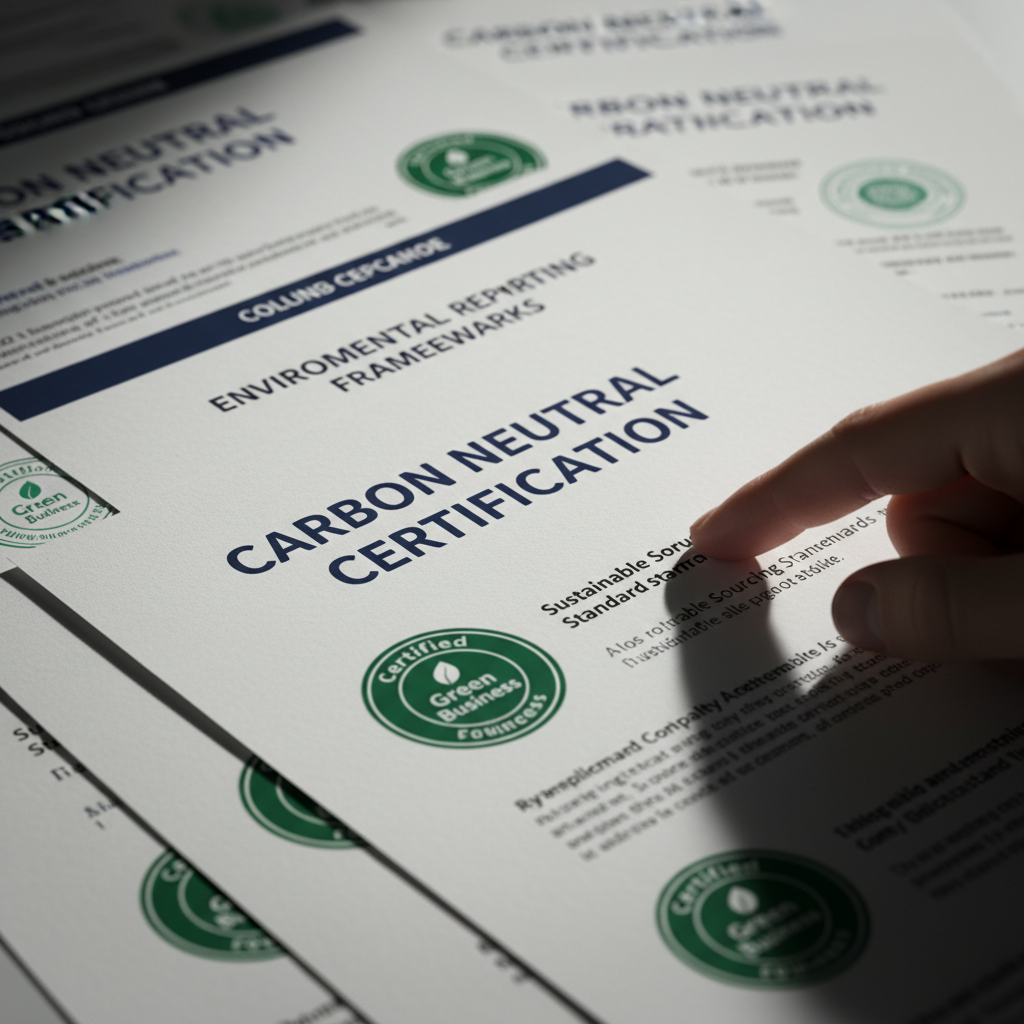
Obtaining organic certification is a rigorous process that requires adherence to strict guidelines. These standards ensure that organic produce is genuinely sustainable and free from synthetic chemicals. This certification is not merely a marketing tool but a guarantee of quality and environmental responsibility.
Supporting Local and Global Communities
Choosing organic products supports not only healthier lifestyles but also helps local farmers and communities. By prioritizing organic produce, consumers are investing in sustainable agriculture practices that benefit everyone.
Myth 5: Organic Farming Is Unsustainable for Feeding the World
Contrary to this belief, organic farming can be a part of the solution for global food security. It focuses on improving soil health and biodiversity, which are essential for long-term agricultural productivity. By integrating traditional knowledge with modern techniques, organic farming aims to create a sustainable future.
At Sunrise Farm Lombok, we are committed to educating the public about the true benefits of organic farming. By debunking these myths, we hope to encourage more people to support practices that lead to a healthier planet and population.