Common Myths About Farming in Indonesia: Insights from Sunrise Farm


Understanding the Realities of Farming in Indonesia
Farming in Indonesia is often shrouded in misconceptions, leading to misunderstandings about the country's agricultural practices. At Sunrise Farm, we've encountered numerous myths that we'd like to dispel. By shedding light on these misconceptions, we aim to provide a clearer picture of the farming landscape in Indonesia.
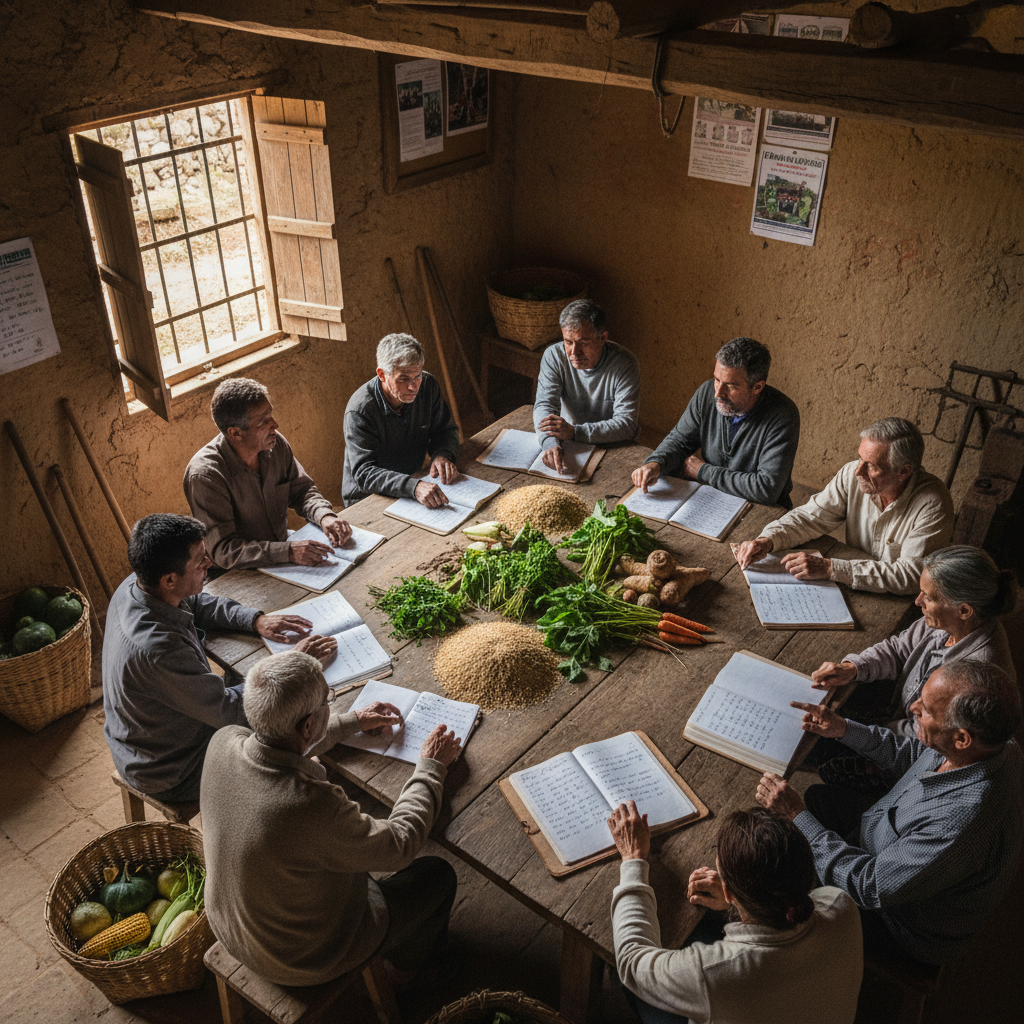
Myth 1: Farming in Indonesia Is Entirely Traditional
Many people believe that Indonesian farming relies solely on traditional methods. While it's true that cultural practices are still prevalent, modern technology is increasingly being incorporated into farming techniques. At Sunrise Farm, we utilize a blend of traditional wisdom and modern technology to optimize yields and sustainability.
From precision agriculture to the use of drones for monitoring crops, technology is playing a pivotal role in transforming the agricultural sector. This integration helps improve efficiency and productivity, ensuring that farming remains viable in the modern era.
Myth 2: Indonesian Farmers Are Resistant to Change
Another common misconception is that Indonesian farmers are resistant to adopting new practices. On the contrary, many farmers are eager to learn and implement innovative techniques. They actively seek training and resources to enhance their farming methods.
Programs and workshops organized by agricultural institutions and farms like Sunrise Farm are helping farmers to embrace new technologies and sustainable practices. This openness to change is crucial for adapting to global agricultural challenges.
Myth 3: Farming Is Not Environmentally Friendly
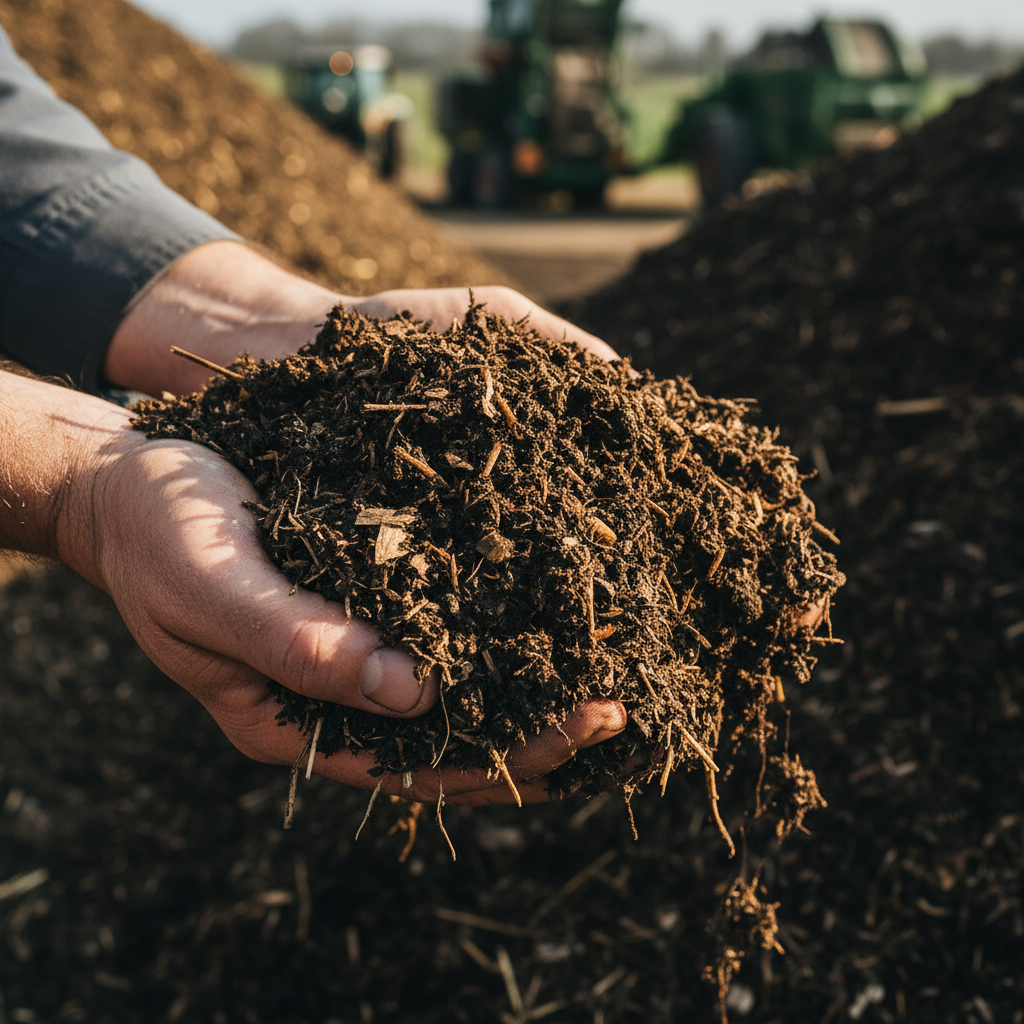
There is a widespread belief that farming in Indonesia is not environmentally friendly. However, sustainable farming practices are increasingly being adopted. Organic farming, permaculture, and agroforestry are gaining traction, helping to preserve biodiversity and reduce environmental impact.
At Sunrise Farm, we prioritize environmental sustainability by implementing eco-friendly practices such as crop rotation, organic fertilizers, and natural pest control methods. These initiatives not only protect the environment but also improve soil health and crop quality.
Myth 4: Small Farms Are Inefficient
It’s often assumed that small farms in Indonesia cannot compete with larger agricultural enterprises. However, small farms are proving to be highly efficient, especially when they focus on niche markets and value-added products.
Many small-scale farmers are now producing specialty crops, organic produce, and artisanal products. These efforts not only enhance their income but also cater to the growing demand for unique and high-quality products both locally and internationally.
Conclusion: Embracing the Future of Farming
In conclusion, the landscape of farming in Indonesia is much more dynamic and progressive than often perceived. By debunking these common myths, we hope to highlight the resilience and adaptability of Indonesian farmers. At Sunrise Farm, we are committed to supporting these efforts and fostering a brighter future for agriculture in Indonesia.