Common Myths About Organic Farming: Debunked by Sunrise Farm


Understanding Organic Farming
Organic farming often enjoys a reputation for being environmentally friendly and health-conscious. However, several myths persist about what it truly entails. At Sunrise Farm, we are committed to educating the public about the realities of organic agriculture. Let's dive into some common myths and uncover the facts.
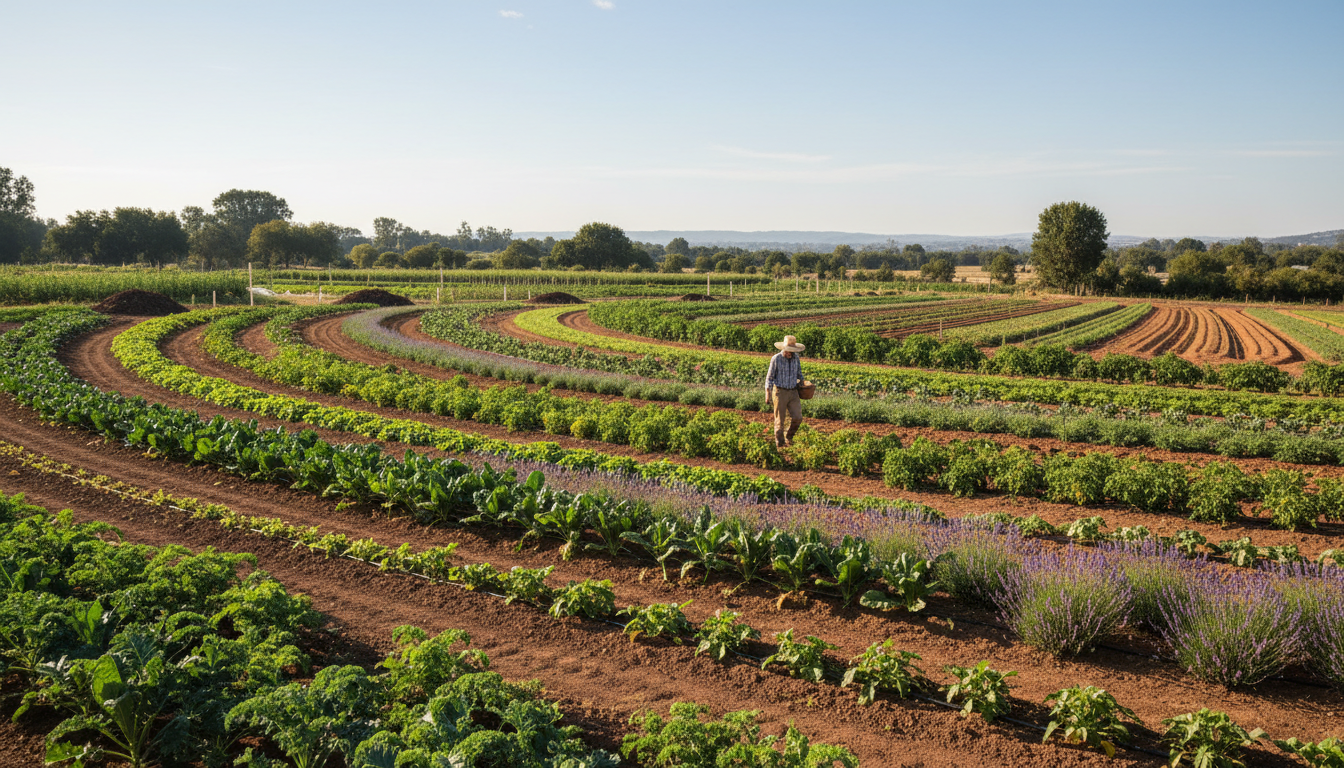
Myth 1: Organic Farming Doesn't Use Any Pesticides
One of the most pervasive myths is that organic farming is completely pesticide-free. In reality, organic farmers do use pesticides, but they are typically derived from natural sources. These organic-approved pesticides are used judiciously and are subject to strict regulations to minimize harm to the environment and human health.
Myth 2: Organic Farming Is Inefficient
Another common misconception is that organic farming cannot produce enough food to feed the world. While organic yields can be lower than conventional methods, this is not always the case. Innovative techniques, crop rotations, and the use of cover crops are strategies organic farmers employ to enhance productivity without compromising sustainability.
Environmental Impact
Many believe that organic farming has a negligible impact on the environment. However, this myth overlooks the significant benefits organic practices offer. Organic farming enhances soil health, reduces pollution from synthetic fertilizers, and supports biodiversity. By focusing on ecological balance, organic farms create a more sustainable agricultural system.
Myth 3: Organic Foods Are Always Healthier
While organic foods are often perceived as healthier, this isn't always a guaranteed fact. Organic produce is grown without synthetic chemicals, but nutritional content can vary based on factors like soil health and farming practices. It's essential to consider the broader context of a balanced diet rather than focusing solely on organic labels.

The Economics of Organic Farming
Some argue that organic farming is too costly and economically unviable. While organic products can be more expensive due to labor-intensive practices, they often reflect the true cost of sustainable production. Moreover, the growing demand for organic products indicates a willingness among consumers to support environmentally responsible farming.
Myth 4: Organic Farming Is All or Nothing
Many people mistakenly believe that farms must be entirely organic or conventional. In reality, there are various levels and stages of organic farming. Transitioning to organic practices can be a gradual process, allowing farmers to adopt sustainable practices at a pace that suits their resources and capabilities.
At Sunrise Farm, we strive to bridge the gap between myth and reality, providing insights into the benefits and challenges of organic farming. By debunking these myths, we hope to foster a greater understanding and appreciation for organic agriculture and its role in a sustainable future.