Comparing Organic and Conventional Farming: Insights from Sunrise Farm


Understanding the Basics of Organic and Conventional Farming
At Sunrise Farm, we're committed to exploring sustainable practices that benefit both the environment and our community. One of the most common debates in agriculture is the comparison between organic and conventional farming. Each approach has its own set of practices, benefits, and challenges.
Organic farming focuses on natural processes and cycles, avoiding synthetic fertilizers and pesticides. In contrast, conventional farming often utilizes chemical inputs to maximize yield and efficiency. Understanding these differences helps consumers make informed choices about the food they eat.
Soil Health and Fertility
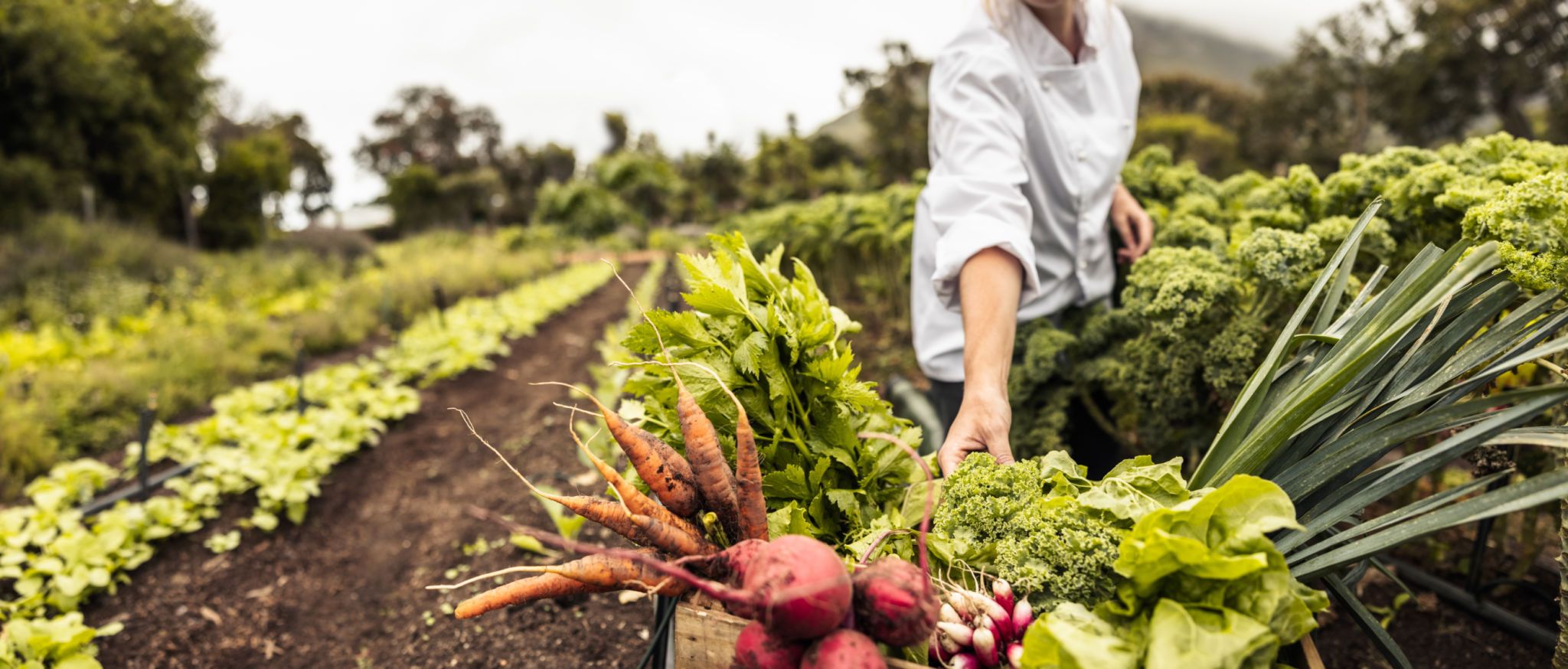
Organic farming emphasizes maintaining soil health through crop rotation, cover cropping, and the use of compost. This approach enhances soil fertility and biodiversity, which can lead to more resilient crops. Conventional farming, meanwhile, often relies on chemical fertilizers to replenish nutrients, which can lead to soil degradation over time.
At Sunrise Farm, we've noticed that organic methods not only improve soil structure but also support a wider range of microorganisms. In the long term, this can lead to healthier crops and ecosystems.
Pest and Weed Management
Managing pests and weeds is a crucial aspect of farming. Organic farmers use natural predators, crop diversity, and manual weeding to manage these challenges. They may also employ organic-approved substances like neem oil or diatomaceous earth.
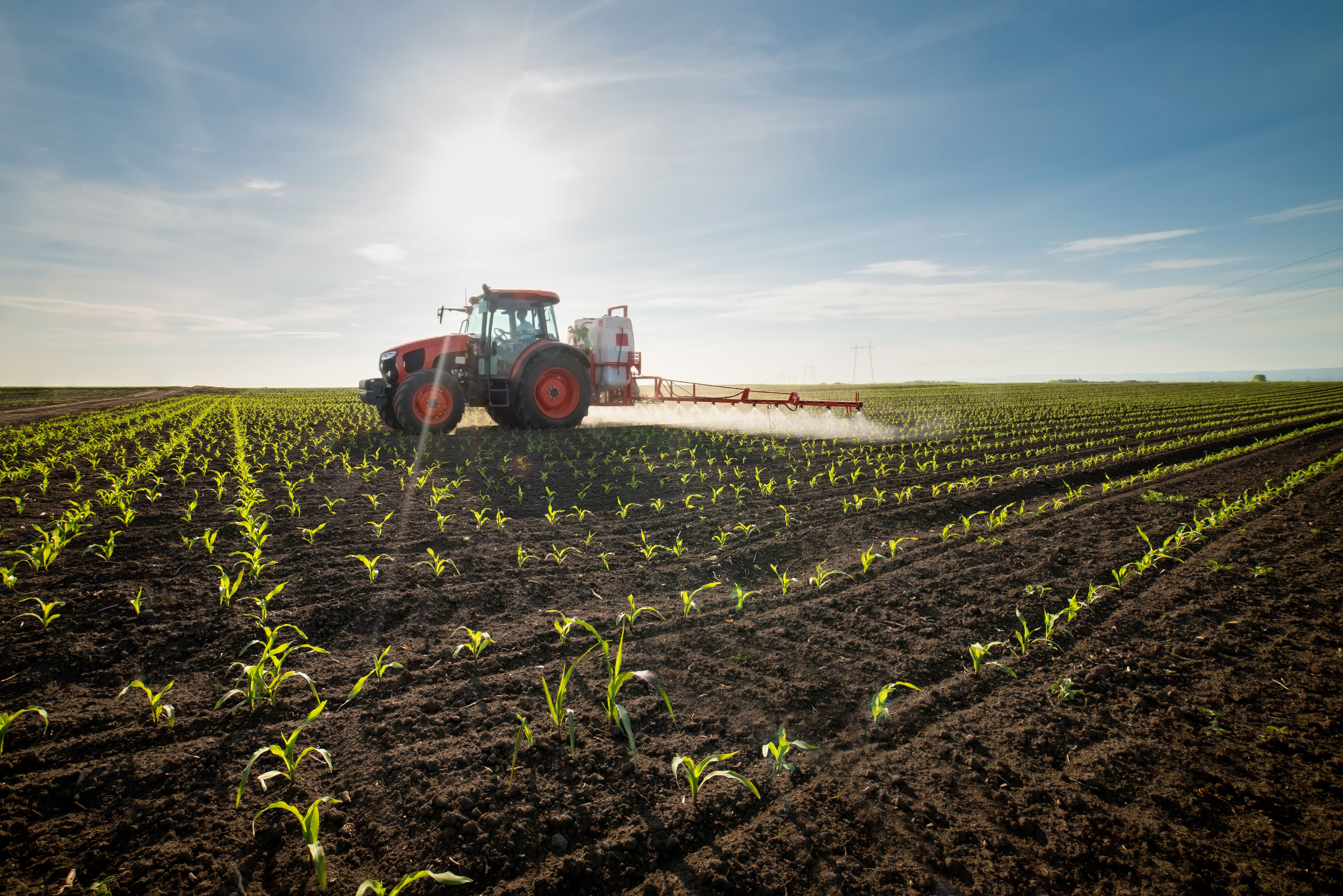
Conventional farming, on the other hand, often uses synthetic pesticides and herbicides to control pests and weeds. While effective, these chemicals can have environmental and health implications, affecting beneficial insects and potentially contaminating water sources.
Impact on the Environment
One of the main advantages of organic farming is its reduced environmental impact. By avoiding synthetic chemicals, organic farms often have lower greenhouse gas emissions and promote biodiversity. Conventional farming's reliance on chemical inputs can contribute to pollution and habitat loss.
At Sunrise Farm, we strive to minimize our carbon footprint and maintain a healthy ecosystem by integrating organic practices whenever possible. This commitment helps us preserve the land for future generations.
Economic Considerations
Organic farming can be more labor-intensive and may result in lower yields initially, leading to higher costs for consumers. However, there is a growing market for organic produce, and many consumers are willing to pay a premium for food they perceive as healthier and more sustainable.
Conventional farming typically offers higher yields and lower prices, making it a more affordable option for many. However, the long-term environmental costs are an important factor to consider.

Making Informed Choices
Ultimately, the choice between organic and conventional farming depends on individual priorities, such as environmental impact, health concerns, and cost. By understanding the differences, consumers can make decisions that align with their values.
At Sunrise Farm, we believe in transparency and education. Whether you choose organic or conventional products, we encourage you to explore the practices behind your food and support sustainable agriculture.