Comparing Organic and Conventional Farming: Lessons from Sunrise Farm Lombok


The Rise of Organic Farming
In recent years, organic farming has gained significant attention as consumers become more conscious of their environmental impact and health. At Sunrise Farm Lombok, the shift towards organic methods showcases an innovative approach to sustainable agriculture. This farm provides a firsthand look at the benefits and challenges associated with organic farming.
Organic farming relies on natural processes and materials, avoiding synthetic fertilizers and pesticides. This approach promotes ecological balance and biodiversity, making it a compelling choice for environmentally conscious farmers.
Key Benefits of Organic Farming
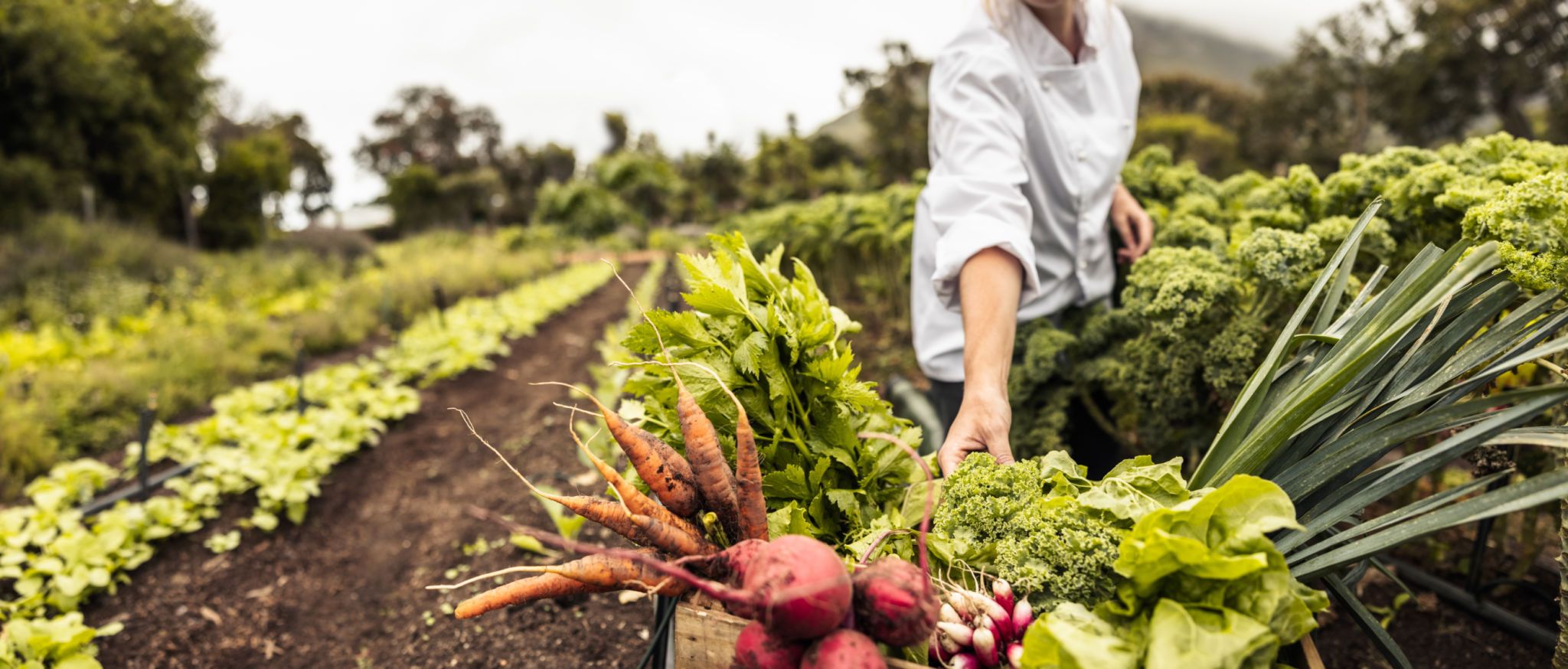
One of the primary advantages of organic farming is its positive impact on soil health. By using natural compost and crop rotation, farmers can enhance soil fertility and structure. Sunrise Farm Lombok demonstrates this with its lush, nutrient-rich fields.
Additionally, organic farming reduces pollution and conserves water. Without harmful chemicals leaching into waterways, ecosystems remain healthier and more robust. This practice also supports biodiversity, attracting beneficial insects and wildlife to the area.
Challenges Faced by Organic Farmers
Despite its benefits, organic farming presents several challenges. One significant issue is the potential for lower yields compared to conventional methods. Organic farms often require more intensive labor and careful management to maintain productivity.

Another challenge is the risk of pest infestations. Without chemical pesticides, farmers must rely on natural pest control methods, which can be less effective and more time-consuming. Sunrise Farm Lombok has adopted innovative techniques such as companion planting and natural predators to combat these issues.
Conventional Farming: A Different Approach
Conventional farming, on the other hand, utilizes synthetic fertilizers and pesticides to maximize crop yields. This method supports large-scale production and can be more cost-effective in the short term. However, it may lead to soil degradation and pollution over time.
At Sunrise Farm Lombok, a comparison between organic and conventional plots highlights the long-term sustainability of organic practices. While conventional methods may offer immediate benefits, the environmental costs can outweigh these advantages.

Lessons from Sunrise Farm Lombok
Sunrise Farm Lombok offers valuable insights into the balance between organic and conventional farming. A key lesson is the importance of adaptability and innovation. By integrating traditional methods with modern technology, the farm successfully navigates the challenges of organic agriculture.
Education and community involvement are also crucial. Sunrise Farm encourages local farmers to explore sustainable practices, fostering a collaborative environment for growth and learning.
The Future of Farming
The experiences at Sunrise Farm Lombok underscore the potential of organic farming to contribute to a healthier planet. As more consumers demand sustainable products, the agricultural industry must adapt to meet these expectations.
By learning from both organic and conventional methods, farmers can develop more resilient and sustainable practices. Sunrise Farm Lombok stands as a testament to the possibilities of a greener future in agriculture.