Comparing Traditional vs. Modern Farming Techniques in Indonesia


Introduction to Farming Techniques in Indonesia
Indonesia, with its rich agricultural heritage, offers a fascinating blend of traditional and modern farming techniques. As a country with a diverse topography and climate, the methods employed by farmers can vary significantly. This blog post explores the contrasts and synergies between traditional and modern farming practices in Indonesia.
Traditional Farming Techniques
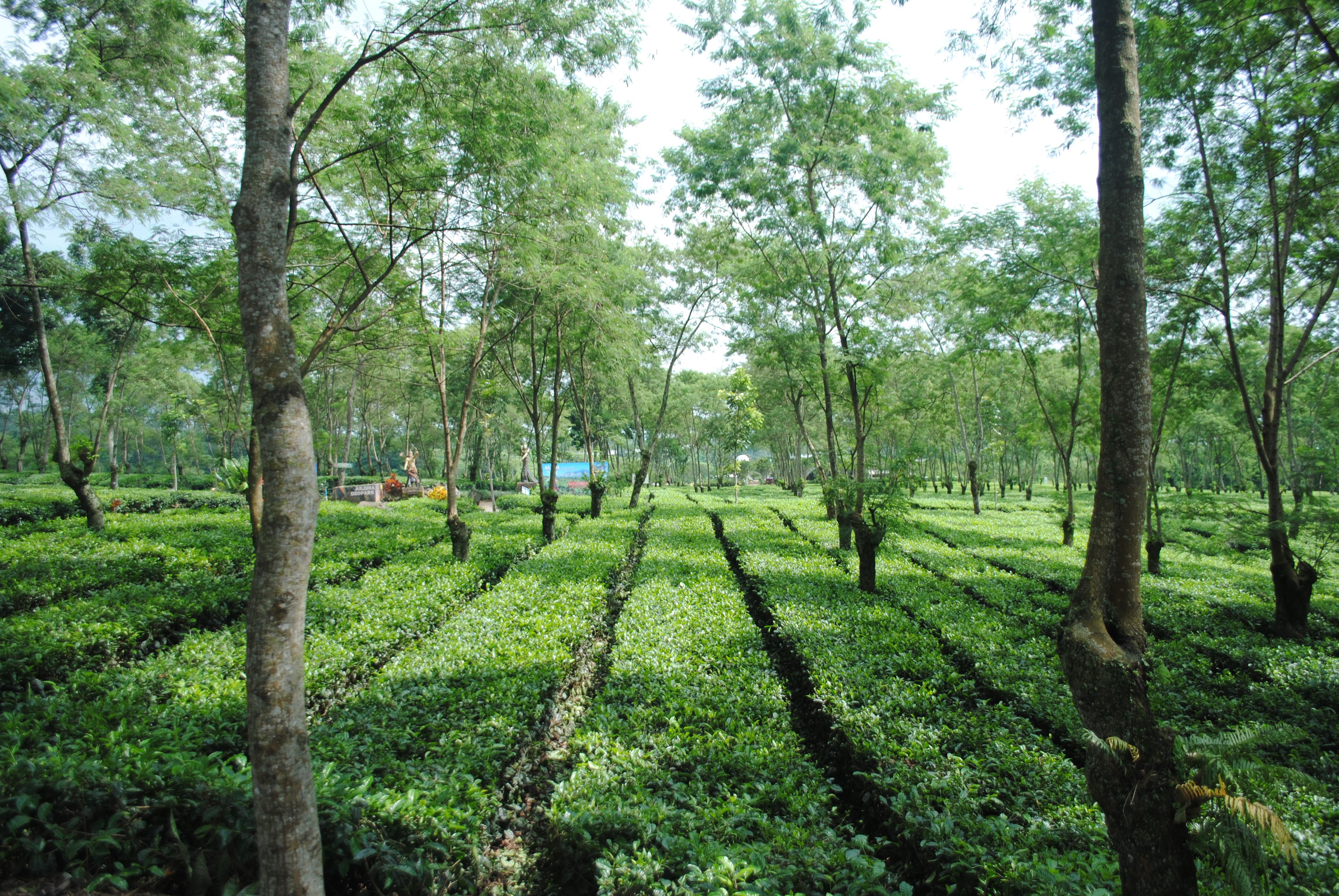
Traditional farming in Indonesia has been practiced for centuries, deeply rooted in the culture and traditions of the local communities. These methods often rely on manual labor and natural processes, emphasizing sustainability and harmony with nature.
Key Practices in Traditional Farming
Some of the key practices include:
- Subak System: This ancient irrigation system, used predominantly in Bali, is a UNESCO-recognized method that efficiently manages water resources.
- Organic Fertilizers: Farmers often use compost and animal manure to enrich the soil, promoting long-term fertility.
Modern Farming Techniques
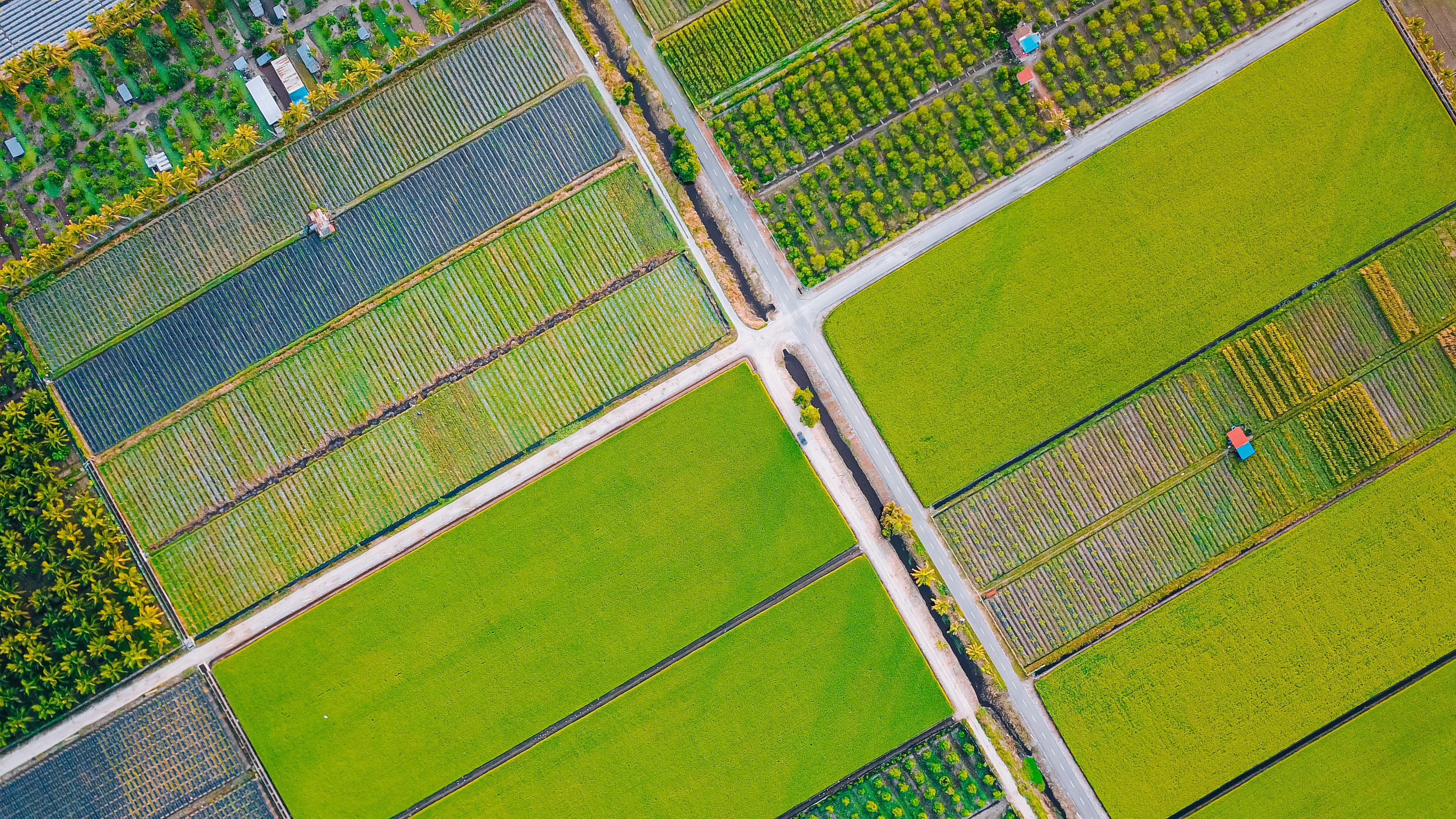
In contrast, modern farming techniques in Indonesia have evolved with technological advancements and increased demand for agricultural products. These methods often focus on maximizing yield and efficiency through the use of machinery and synthetic inputs.
Innovations in Modern Farming
Modern farming in Indonesia includes:
- Use of Machinery: Tractors and other equipment have replaced much of the manual labor, allowing for faster and more efficient cultivation.
- Genetically Modified Crops: To increase resilience and productivity, some farmers have adopted genetically modified seeds.
Environmental Impact
The environmental impact of farming techniques is a crucial consideration. Traditional methods generally have a lower environmental footprint, focusing on sustainability. However, they may not always meet the growing food demands. On the other hand, modern techniques can lead to issues like soil degradation and water pollution if not managed properly.
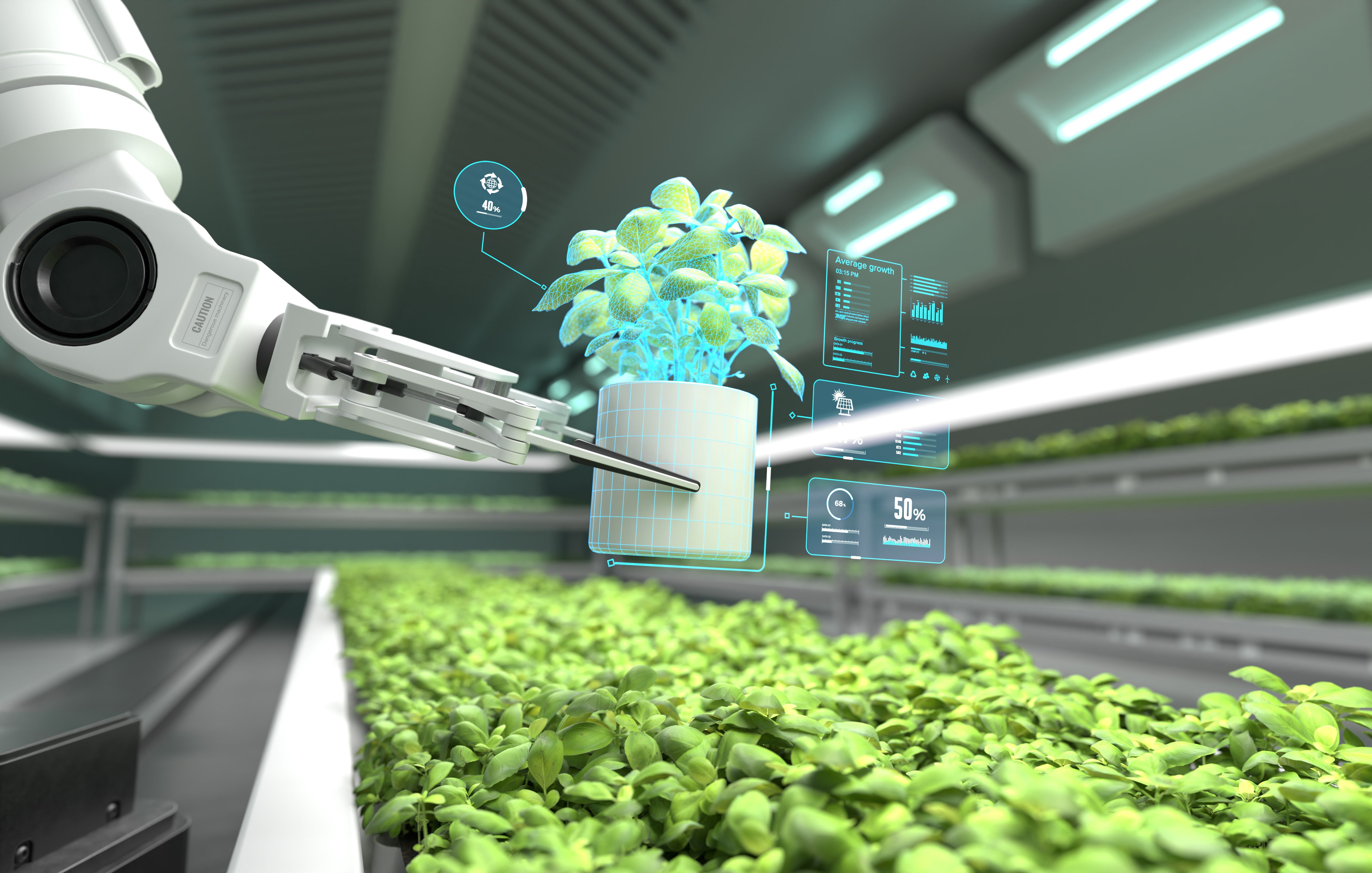
Efforts are being made to integrate sustainable practices into modern farming, such as precision agriculture and the use of renewable energy sources.
Socio-Economic Considerations
The choice between traditional and modern farming techniques also has socio-economic implications. Traditional farming supports local economies and preserves cultural heritage, but may not provide the same economic benefits as modern methods. Conversely, modern farming can boost productivity and income but may lead to the loss of traditional knowledge.
Conclusion
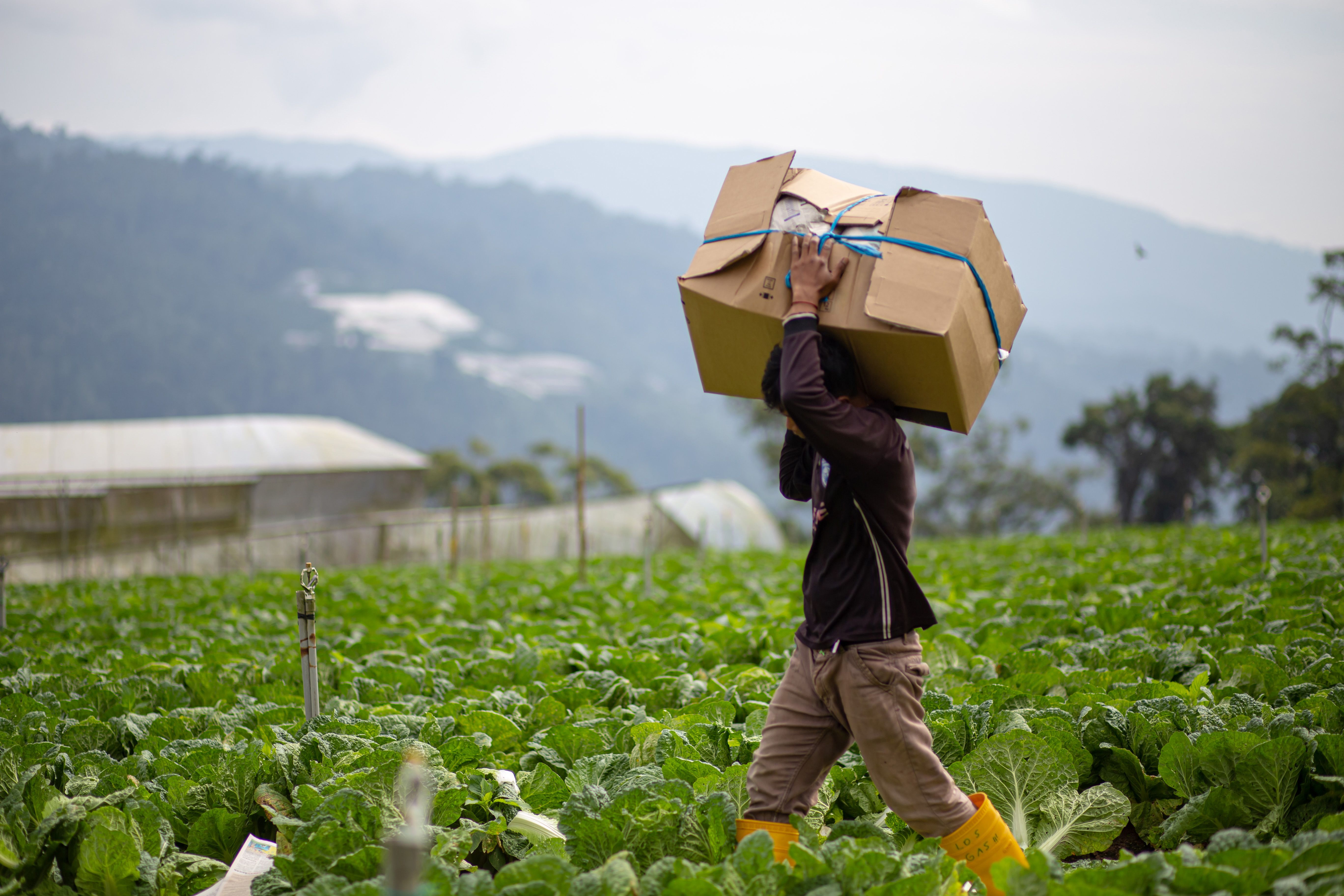
In conclusion, both traditional and modern farming techniques have their advantages and challenges in Indonesia. A balanced approach that incorporates the strengths of both methods may offer the best solution for sustainable agricultural development. By respecting tradition while embracing innovation, Indonesia can continue to thrive as a key player in global agriculture.