Comprehensive Guide to Sustainable Farming in Indonesia


Introduction to Sustainable Farming
Sustainable farming in Indonesia is gaining traction as a vital approach to agriculture. This method emphasizes environmental health, economic profitability, and social equity. The goal is to meet society's food needs without compromising the ability of future generations to do the same. As a country rich in biodiversity, Indonesia is uniquely positioned to lead in sustainable farming practices.

The Importance of Sustainable Farming
Indonesia's agricultural sector is a cornerstone of its economy. However, traditional farming methods often lead to deforestation, soil degradation, and water pollution. By adopting sustainable practices, farmers can reduce environmental impact while increasing productivity. This approach not only preserves natural resources but also enhances food security and rural livelihoods.
Key Practices in Sustainable Farming
Several practices define sustainable farming in Indonesia. These include crop rotation, agroforestry, and organic farming. Crop rotation helps maintain soil fertility and prevent pest outbreaks. Agroforestry integrates trees with crops and livestock, improving biodiversity and reducing erosion. Organic farming eliminates synthetic fertilizers and pesticides, promoting soil health and biodiversity.

Crop Diversification
Crop diversification is another critical component of sustainable farming. By planting a variety of crops, farmers can reduce risks associated with pests, diseases, and market fluctuations. This practice also enhances soil health and boosts resilience to climate change. In Indonesia, popular crops for diversification include rice, corn, and various legumes.
Community Involvement and Education
Community involvement is crucial for the success of sustainable farming. Educating farmers about sustainable practices and providing them with the necessary tools and resources can lead to widespread adoption. Local governments and NGOs play a significant role in facilitating workshops and training sessions to spread awareness and knowledge.

Government Policies and Support
The Indonesian government supports sustainable agriculture through various policies and initiatives. These include subsidies for organic fertilizers, grants for sustainable farming projects, and tax incentives for eco-friendly practices. Such measures encourage farmers to transition to sustainable methods and ensure long-term agricultural sustainability.
Challenges and Opportunities
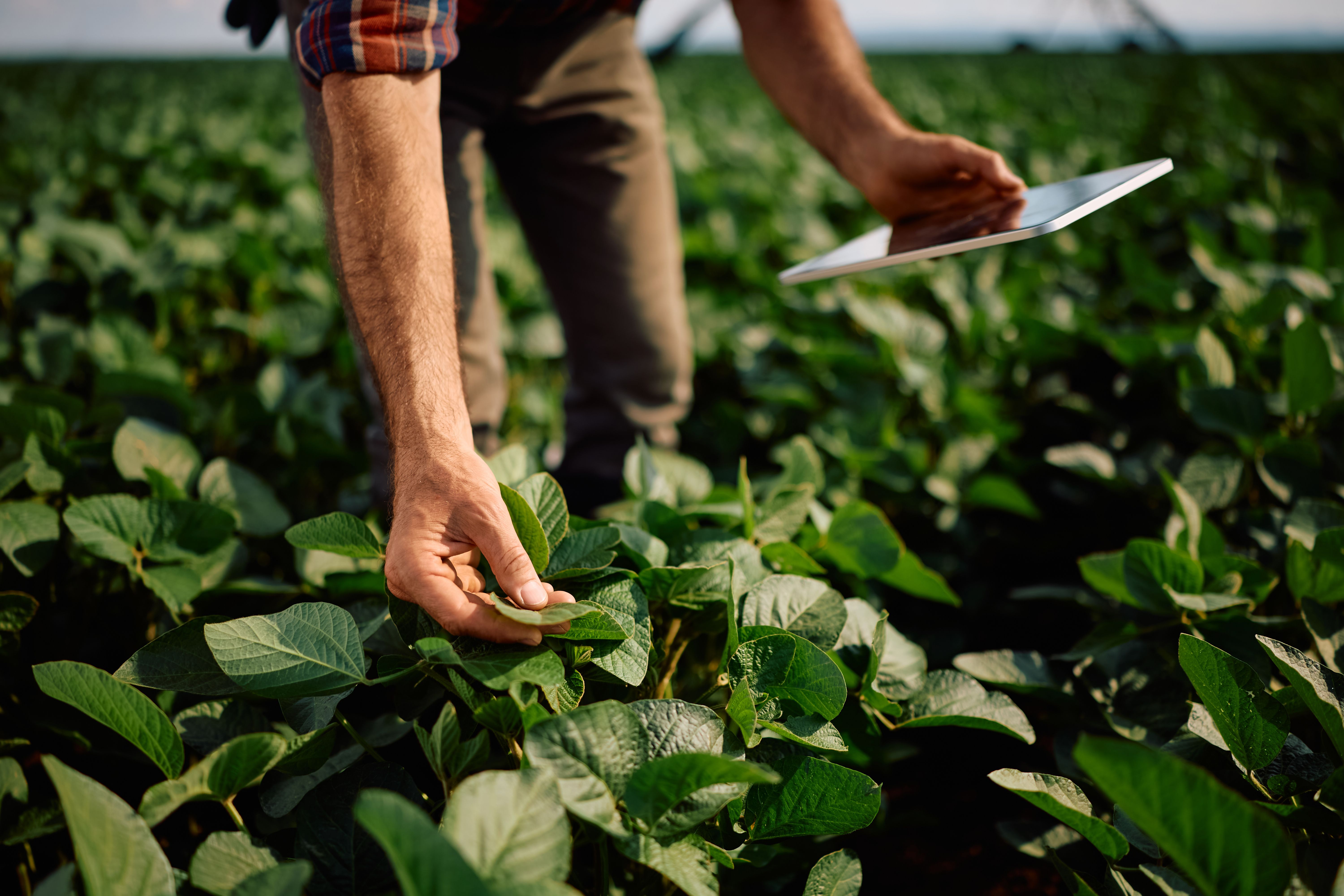
Despite the benefits, sustainable farming in Indonesia faces challenges such as limited access to resources, insufficient infrastructure, and financial constraints. However, opportunities abound in the form of technological advancements and international collaborations. By leveraging technology, farmers can improve efficiency and productivity while minimizing environmental impact.
The Future of Sustainable Farming in Indonesia
The future of sustainable farming in Indonesia looks promising. With continued support from the government, private sector, and international community, sustainable practices can become the norm. This transition will not only protect the environment but also ensure food security and economic growth for the nation.