Comprehensive Guide to Sustainable Farming Practices in Indonesia


Introduction to Sustainable Farming in Indonesia
Indonesia, a nation rich in biodiversity and agricultural heritage, is embracing sustainable farming to address environmental challenges and boost food security. By integrating traditional knowledge with modern practices, Indonesia aims to create a more resilient agricultural sector.
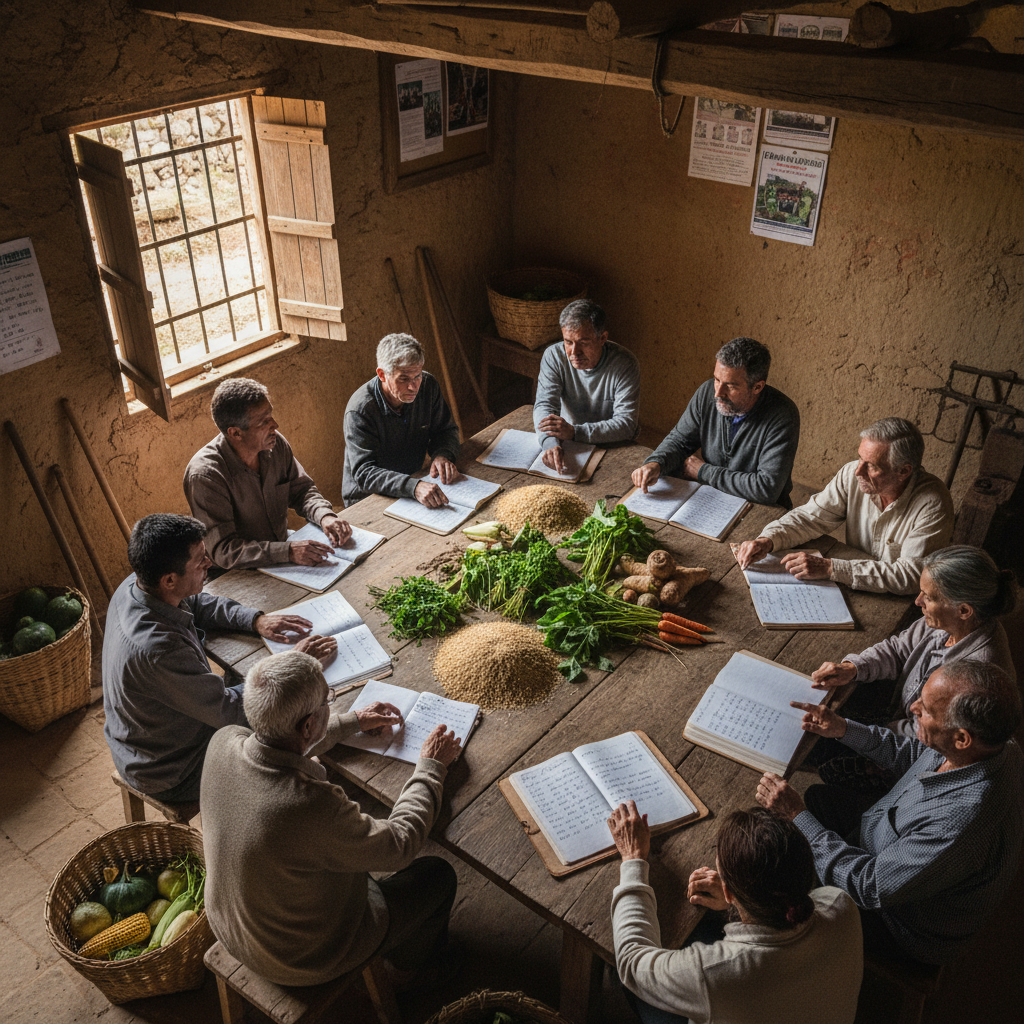
The Importance of Sustainable Farming
Sustainable farming is essential for maintaining the health of ecosystems and ensuring long-term agricultural productivity. In Indonesia, this approach helps combat issues like deforestation, soil degradation, and water scarcity.
Adopting sustainable practices supports biodiversity, improves soil health, and reduces carbon footprints, making it a critical component of Indonesia's environmental strategy.
Traditional Farming Techniques
Indonesian farmers have long used traditional techniques such as crop rotation and intercropping. These methods enhance soil fertility and prevent pest infestations without relying on chemical inputs.
Incorporating indigenous knowledge allows for more adaptable and resilient farming systems, which are crucial for tackling the effects of climate change.
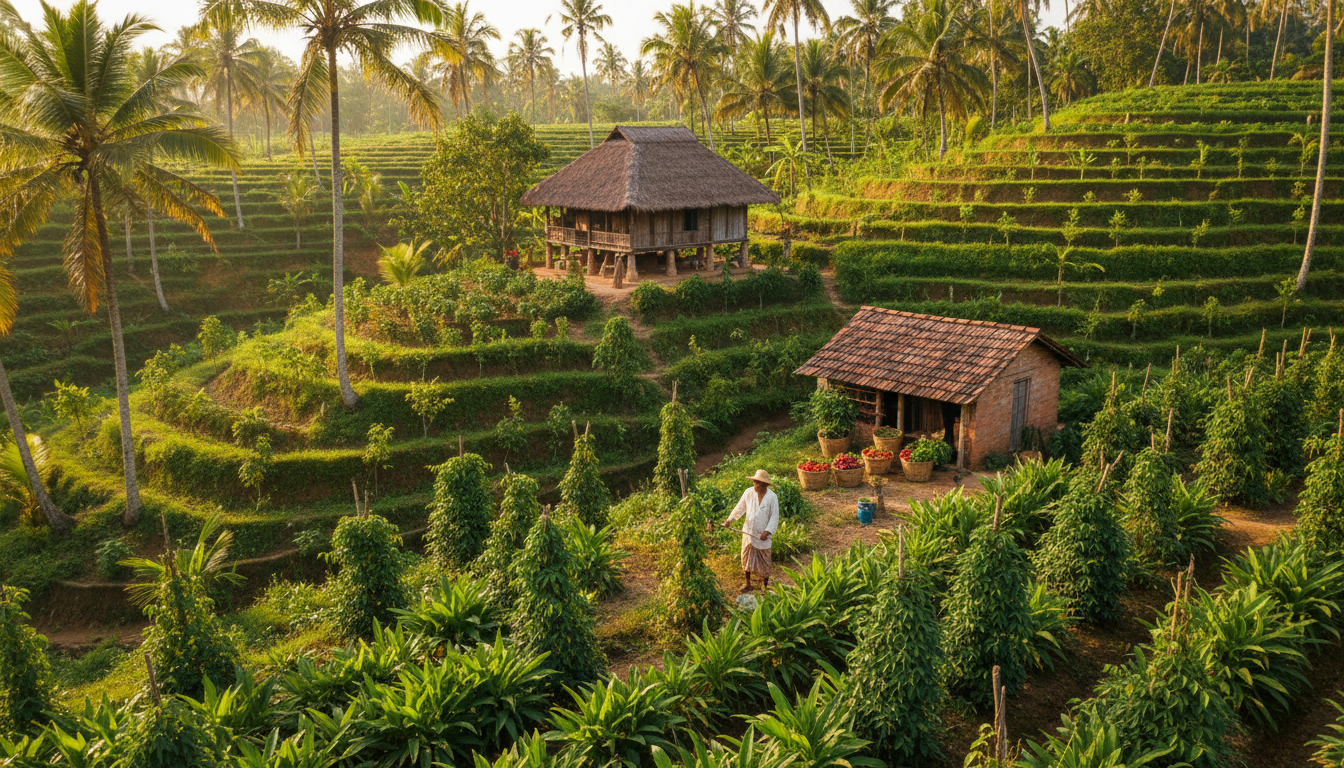
Modern Sustainable Practices
Modern sustainable practices in Indonesia include the use of organic fertilizers, integrated pest management, and agroforestry. These methods aim to balance productivity with environmental stewardship.
Agroforestry, in particular, integrates trees with crops and livestock, promoting biodiversity and improving soil and water quality.
Government Initiatives and Policies
The Indonesian government has implemented various policies to support sustainable agriculture, including subsidies for organic farming and incentives for adopting eco-friendly technologies.
- Subsidies for organic fertilizers
- Training programs for farmers
- Research and development in sustainable technologies

Challenges and Opportunities
Despite the progress, challenges such as limited access to resources, lack of awareness, and market barriers persist. However, opportunities abound in the form of international collaborations and technological advancements.
Addressing these challenges requires concerted efforts from all stakeholders, including governments, NGOs, and the private sector.
Community Involvement and Education
Community involvement is vital for the success of sustainable farming in Indonesia. Educational programs and workshops help farmers understand the benefits and techniques of sustainable practices.
Empowering local communities fosters a sense of ownership and responsibility, leading to more effective and lasting changes in agricultural practices.

Conclusion
Sustainable farming in Indonesia is not just a necessity but a pathway to a healthier and more prosperous future. By combining traditional and modern practices, and with the support of government policies and community efforts, Indonesia is paving the way for a more sustainable agricultural landscape.