DIY Organic Farming Tips: Start Your Own Garden at Home


Why Choose Organic Farming?
Organic farming is not just a trend; it's a lifestyle choice that promotes sustainability and health. By growing your own organic garden at home, you can ensure that the food you consume is free from harmful chemicals and pesticides. Plus, it’s a great way to connect with nature and develop a rewarding hobby.
Starting an organic garden might seem daunting, but with the right guidance, anyone can cultivate their own lush, productive space. Here are some essential tips to help you get started on your organic farming journey.
Selecting the Right Location
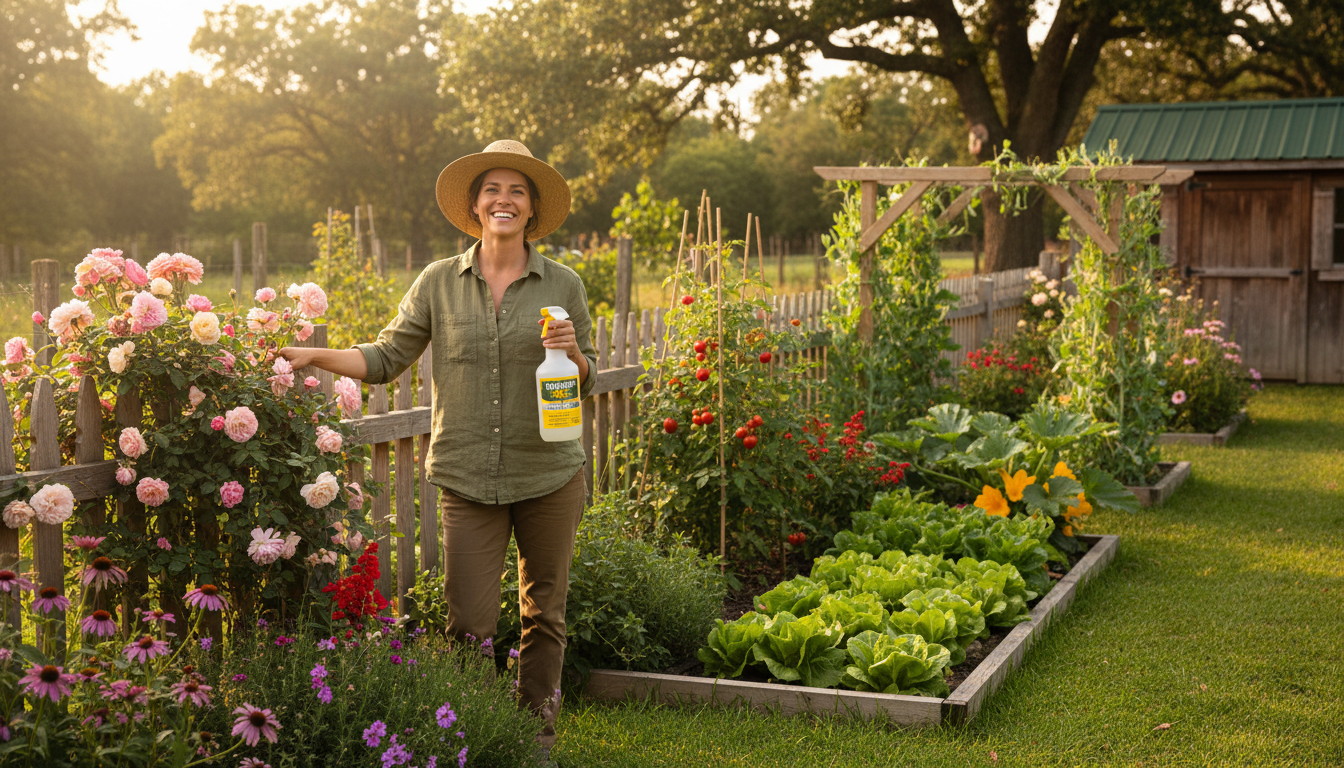
The first step in creating a successful organic garden is choosing the right location. Your plants will need plenty of sunlight, so find a spot that receives at least six hours of direct sunlight each day. Consider the proximity to a water source, as regular watering is crucial for plant health.
Soil quality is another important factor. Conduct a soil test to determine its pH and nutrient content. This will help you understand what amendments might be necessary to create the ideal growing environment.
Preparing Your Soil
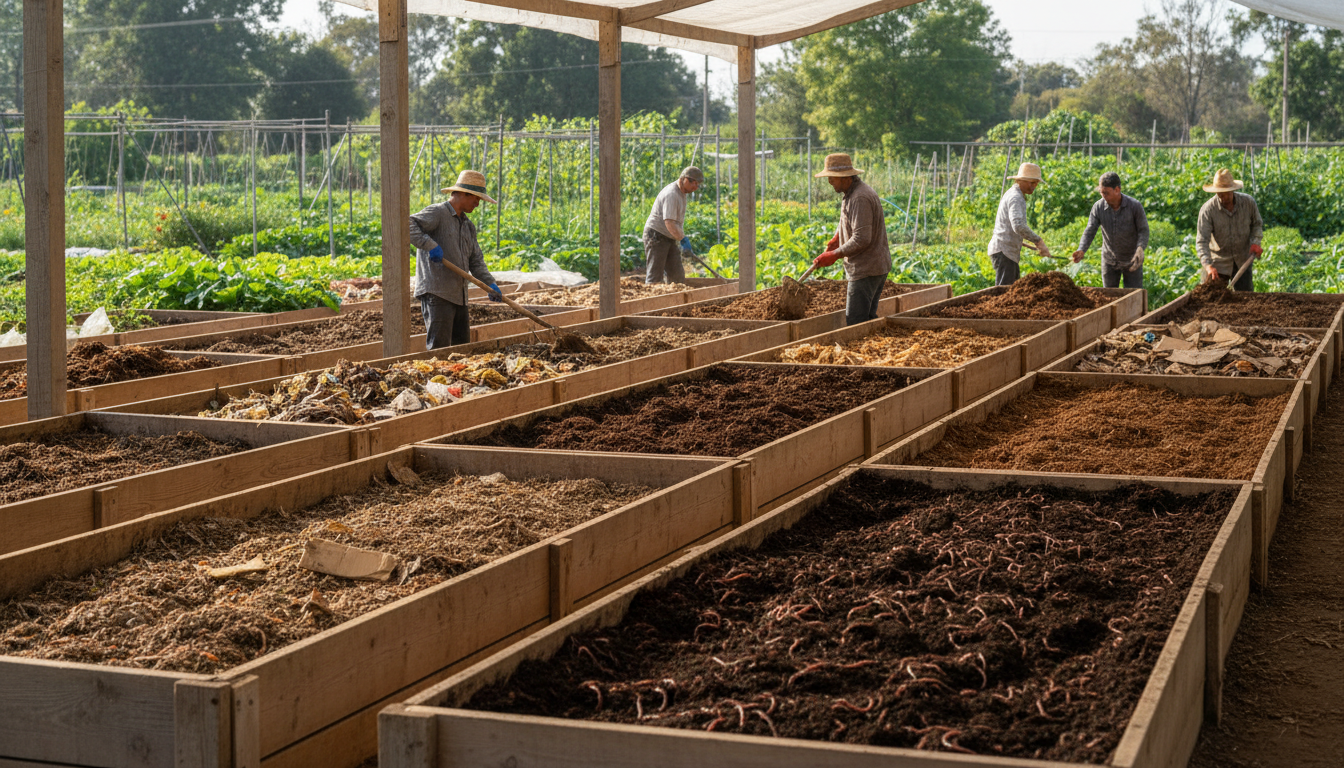
Healthy soil is the foundation of any successful organic garden. Start by clearing the area of weeds and debris. Then, enrich your soil with organic matter such as compost or well-rotted manure. These materials improve soil structure, promote beneficial microbial activity, and provide essential nutrients.
Consider using a no-till method to preserve soil structure and prevent erosion. This approach minimizes disturbance to the ecosystem and encourages the growth of healthy, robust plants.
Choosing Your Plants
Selecting the right plants is crucial for a thriving organic garden. Consider your local climate and growing conditions when choosing varieties. Opt for native plants and heirloom seeds that are well-suited to your area, as they are more likely to thrive and resist pests.
Plan your garden layout carefully, taking into account companion planting techniques. Some plants benefit from being grown alongside others, while certain combinations should be avoided.
Natural Pest Control
One of the challenges of organic farming is dealing with pests without synthetic chemicals. Embrace natural pest control methods such as introducing beneficial insects like ladybugs or using homemade sprays made from garlic or neem oil.
Encourage biodiversity by planting a variety of species, which can attract beneficial predators and reduce pest populations naturally. Regularly inspect your plants for signs of pests and act quickly to prevent infestations.
Watering and Maintenance
Consistent watering is essential for maintaining a healthy organic garden. Implement a drip irrigation system to deliver water directly to the roots, reducing waste and promoting efficient water usage.
Mulching is another effective technique to retain soil moisture, suppress weeds, and regulate soil temperature. Use organic materials such as straw, wood chips, or leaves as mulch around your plants.
Harvesting and Enjoying Your Produce
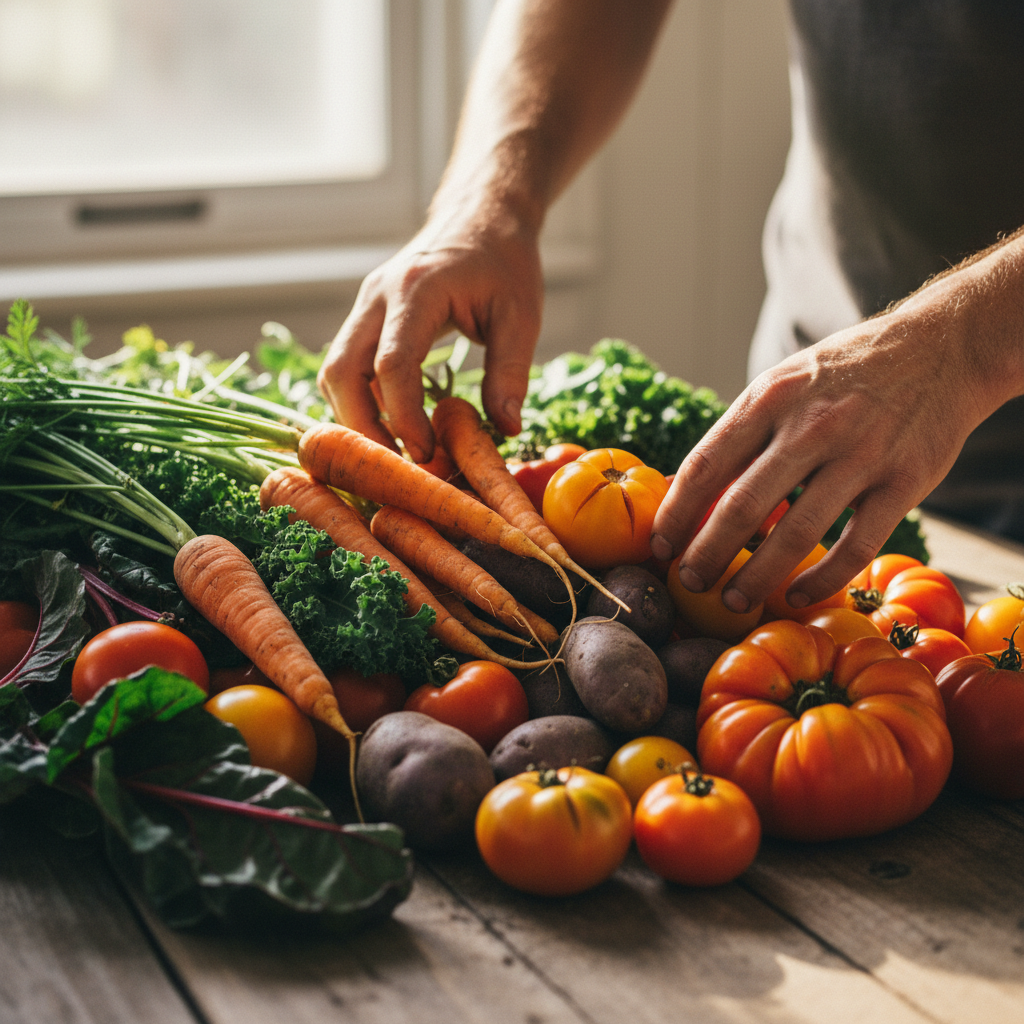
Once your plants begin to bear fruit, it’s time to enjoy the fruits of your labor. Harvest produce at its peak ripeness for the best flavor and nutritional value. Regular harvesting also encourages plants to produce more.
Share your bounty with friends and family, and consider preserving or canning excess produce to enjoy throughout the year.
Continuous Learning and Improvement
Organic farming is a continuous learning process. Stay informed by reading books, attending workshops, and joining gardening communities. Share your experiences and learn from others to continually improve your gardening skills.
Embrace the journey, and remember that even small steps towards sustainable living can make a significant impact on your health and the environment.