DIY Tips for Starting Your Own Small Farm


Understanding Your Goals and Resources
Starting a small farm requires a clear understanding of your goals and the resources you have available. Are you aiming to grow produce for personal consumption, or do you plan to sell at local markets? Define your objectives early on to guide your decisions. Evaluate your available land, water sources, and budget to ensure they align with your farming aspirations.
Choosing the Right Location
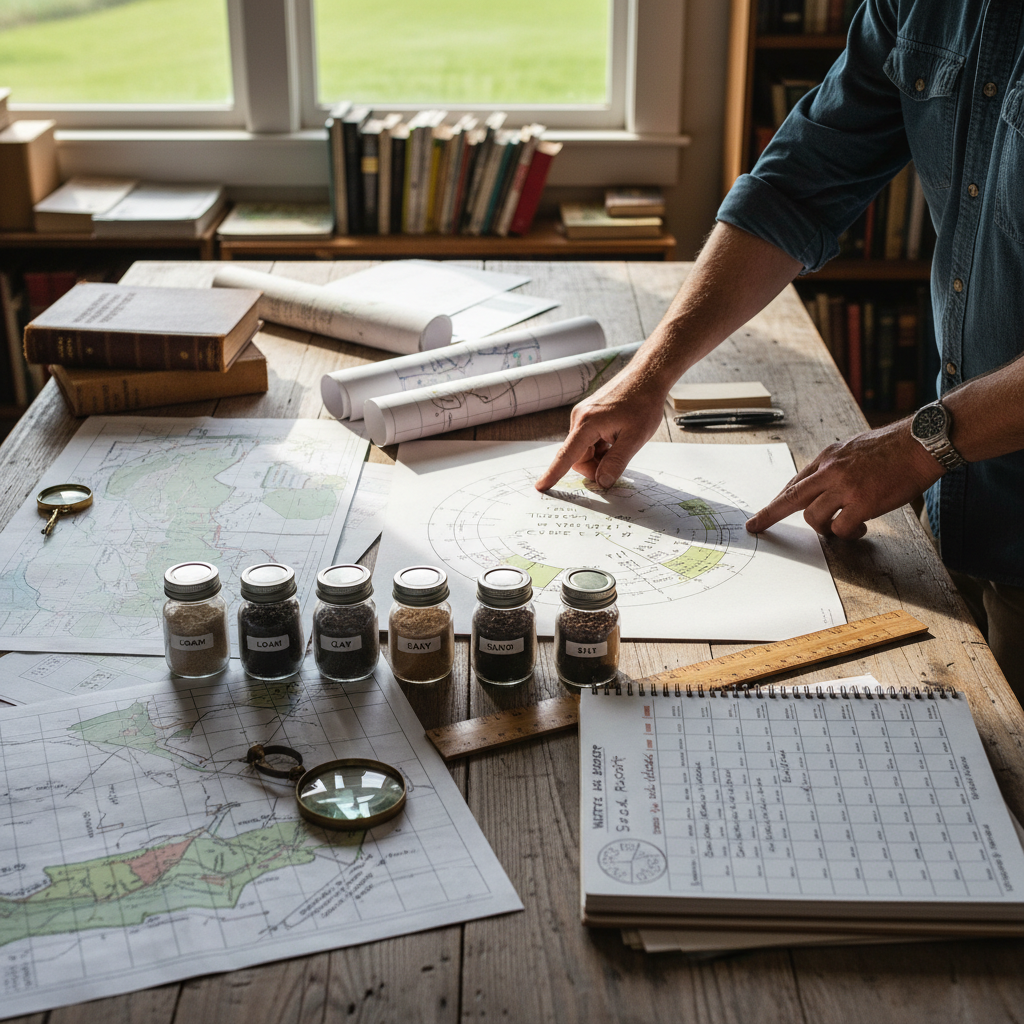
The location of your farm plays a crucial role in its success. Look for land with fertile soil, adequate sunlight, and access to water. Proximity to markets and suppliers can also influence your choice. If you're new to farming, consider starting small and expanding as you gain experience and confidence.
Planning Your Crops
Selecting the right crops is essential for a thriving farm. Consider your climate, soil type, and market demand when choosing which crops to plant. Begin with a few easy-to-grow options like tomatoes, lettuce, or herbs. As you become more comfortable, you can experiment with a wider variety of plants.
Investing in Quality Tools
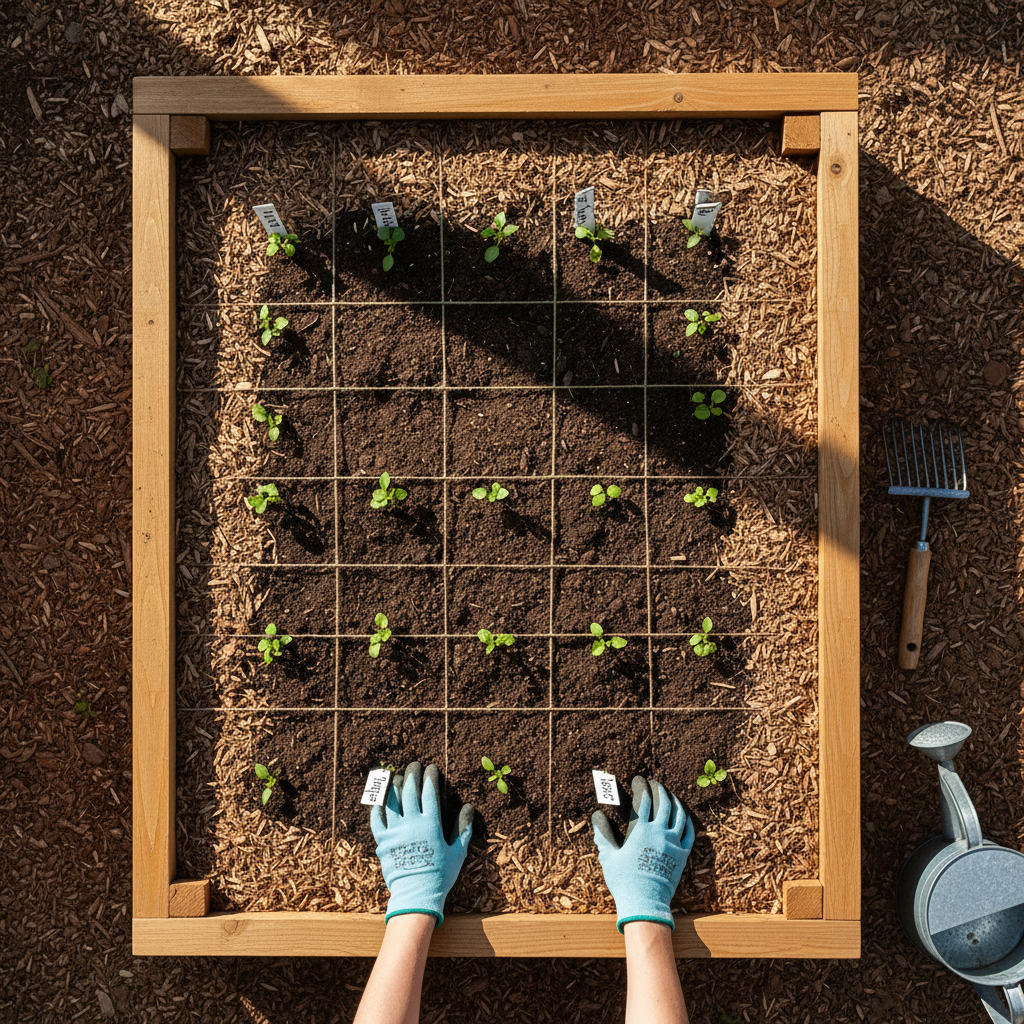
Quality tools can make all the difference in your farming experience. Invest in durable, efficient equipment that suits the scale of your farm. Essential tools include a spade, hoe, rake, and wheelbarrow. As your farm grows, you might consider upgrading to motorized equipment to save time and effort.
Embracing Sustainable Practices
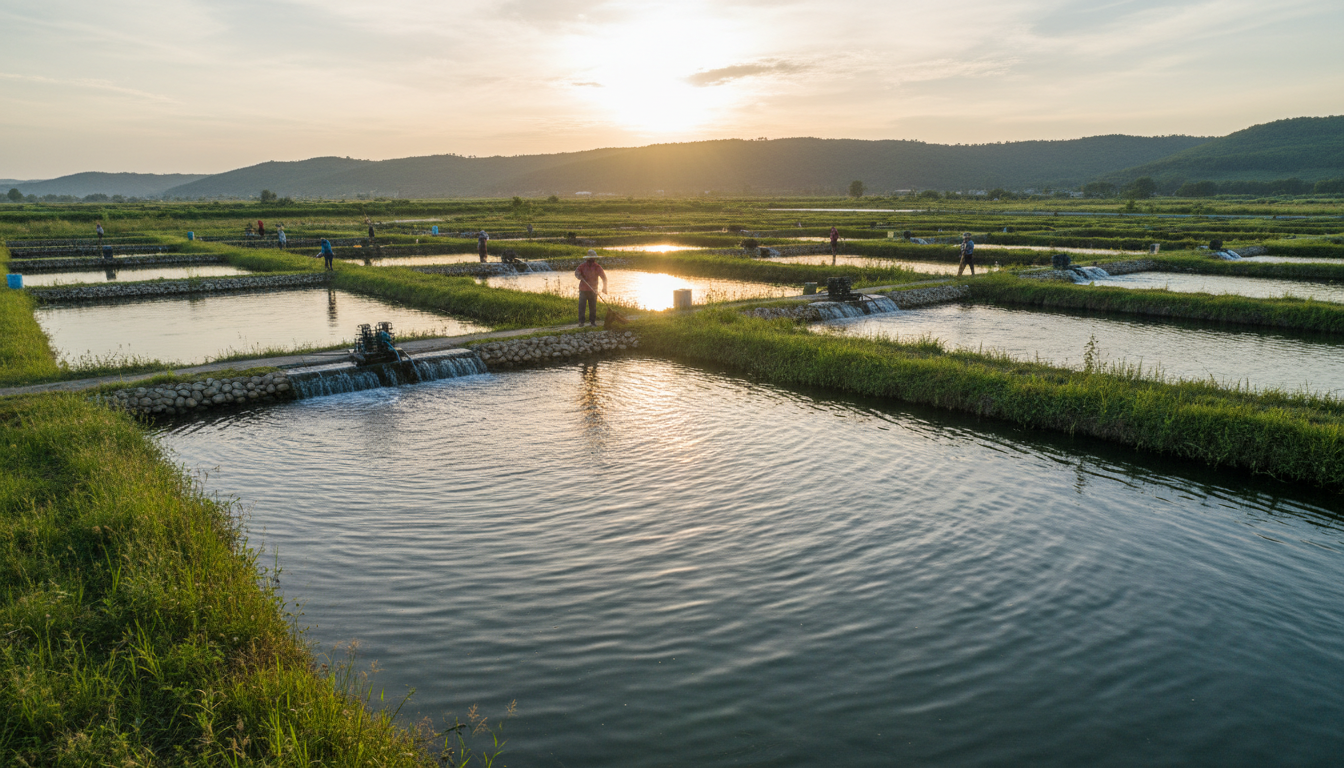
Sustainability is key to maintaining a healthy farm environment. Practices like crop rotation, composting, and rainwater harvesting can enhance soil fertility and conserve resources. Implementing organic farming techniques can also attract environmentally conscious consumers if you decide to sell your produce.
Building a Support Network
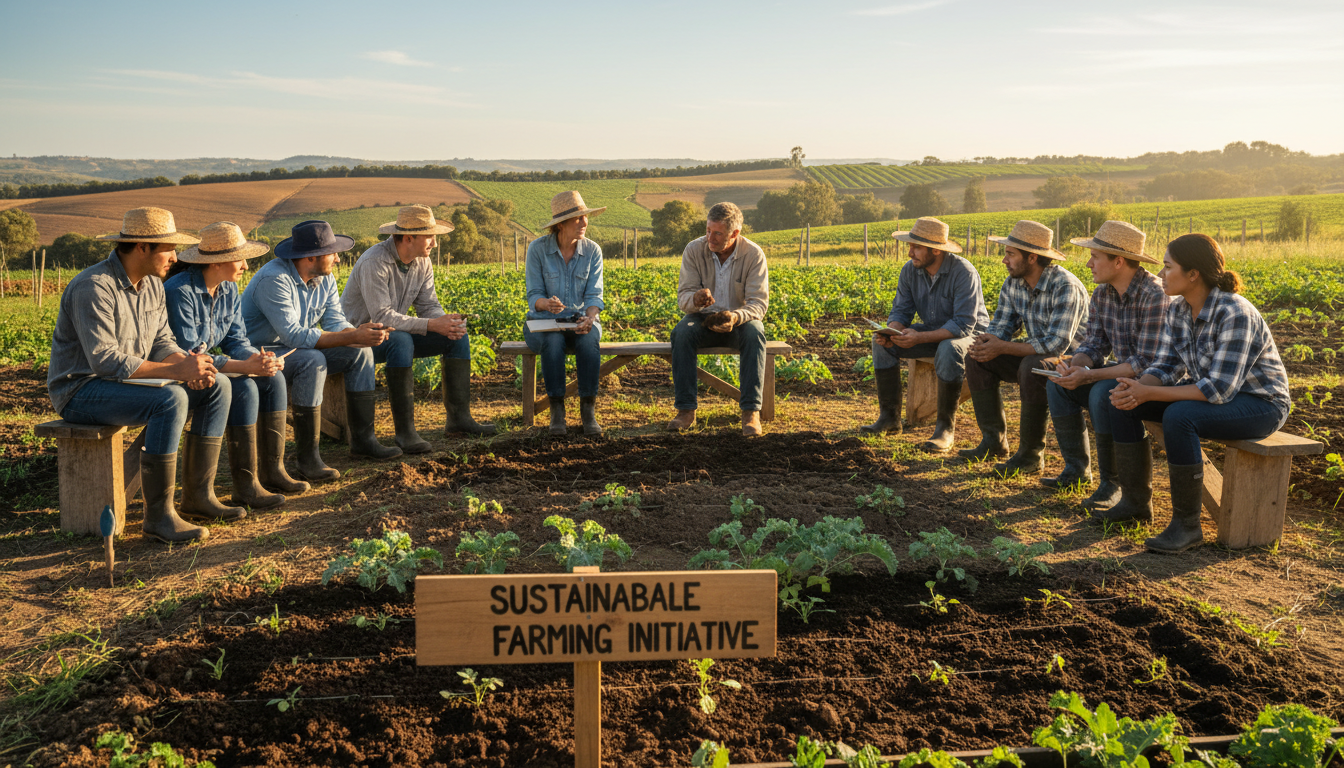
Connecting with other local farmers can provide invaluable support and advice. Join farming groups or online communities to share experiences and learn from others. Building relationships with local suppliers and markets can also help you source materials and sell your products more efficiently.
Managing Your Time Effectively
Time management is critical in farming. Create a schedule that balances planting, maintenance, and harvesting activities. Prioritize tasks based on their importance and deadlines. Remember to allocate time for learning and adapting new techniques to improve your farm's productivity.
Staying Informed and Educated
Continuously expanding your knowledge is vital for farming success. Attend workshops, read agricultural publications, and consider enrolling in farming courses. Staying informed about the latest trends and technologies can help you make informed decisions and improve your farm's efficiency.
Adapting and Growing
Farming is a dynamic endeavor, and flexibility is crucial. Be prepared to adapt your plans based on weather conditions, market demands, and personal experiences. Regularly evaluate your farm's performance and make adjustments to improve productivity and sustainability. Embrace the challenges and enjoy the rewarding journey of nurturing your own small farm.