DIY Tips for Starting Your Own Small Farm Inspired by Sunrise Farm Lombok


Starting your own small farm can be a rewarding and fulfilling venture. Inspired by the idyllic Sunrise Farm in Lombok, this guide will provide you with essential DIY tips to kickstart your farming journey. Whether you're dreaming of growing your own vegetables or raising a few animals, these practical steps will help you turn your vision into reality.
Assess Your Land and Resources
Before diving into farming, it's crucial to assess the land you have available. Consider the soil quality, water availability, and climate conditions. These factors will influence what you can grow and how you should plan your farm layout. Conduct soil tests to determine nutrient levels and pH balance, which are vital for healthy plant growth.
In addition to land, evaluate the resources you have at your disposal. This includes tools, equipment, and any existing structures that can be repurposed for farming. Identifying these resources early on will help you make informed decisions and optimize your efforts.
Plan Your Crop Selection
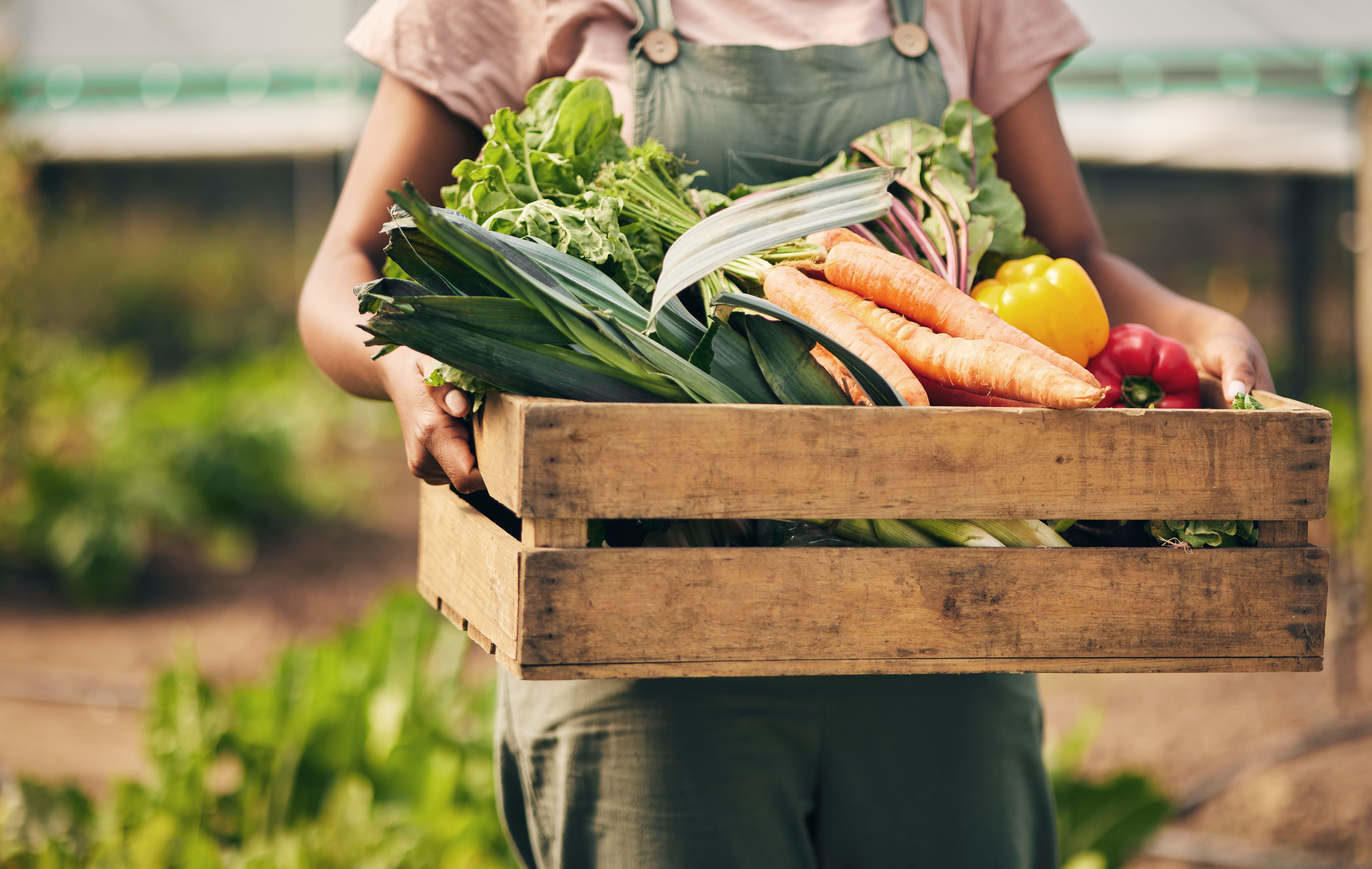
Once you have a clear understanding of your land, the next step is selecting the right crops. Consider crops that thrive in your climate and soil conditions. It's also essential to think about your goals—are you aiming for self-sufficiency, or do you plan to sell produce locally?
Create a planting schedule based on crop seasons and growth cycles. This ensures a continuous harvest and maximizes the use of your land throughout the year. Don't forget to include a mix of vegetables, fruits, and herbs to diversify your farm's offerings.
Implement Sustainable Practices
Sustainability is key to a successful small farm. Implementing eco-friendly practices not only benefits the environment but also enhances your farm's productivity. Consider techniques like crop rotation, composting, and rainwater harvesting to reduce waste and conserve resources.
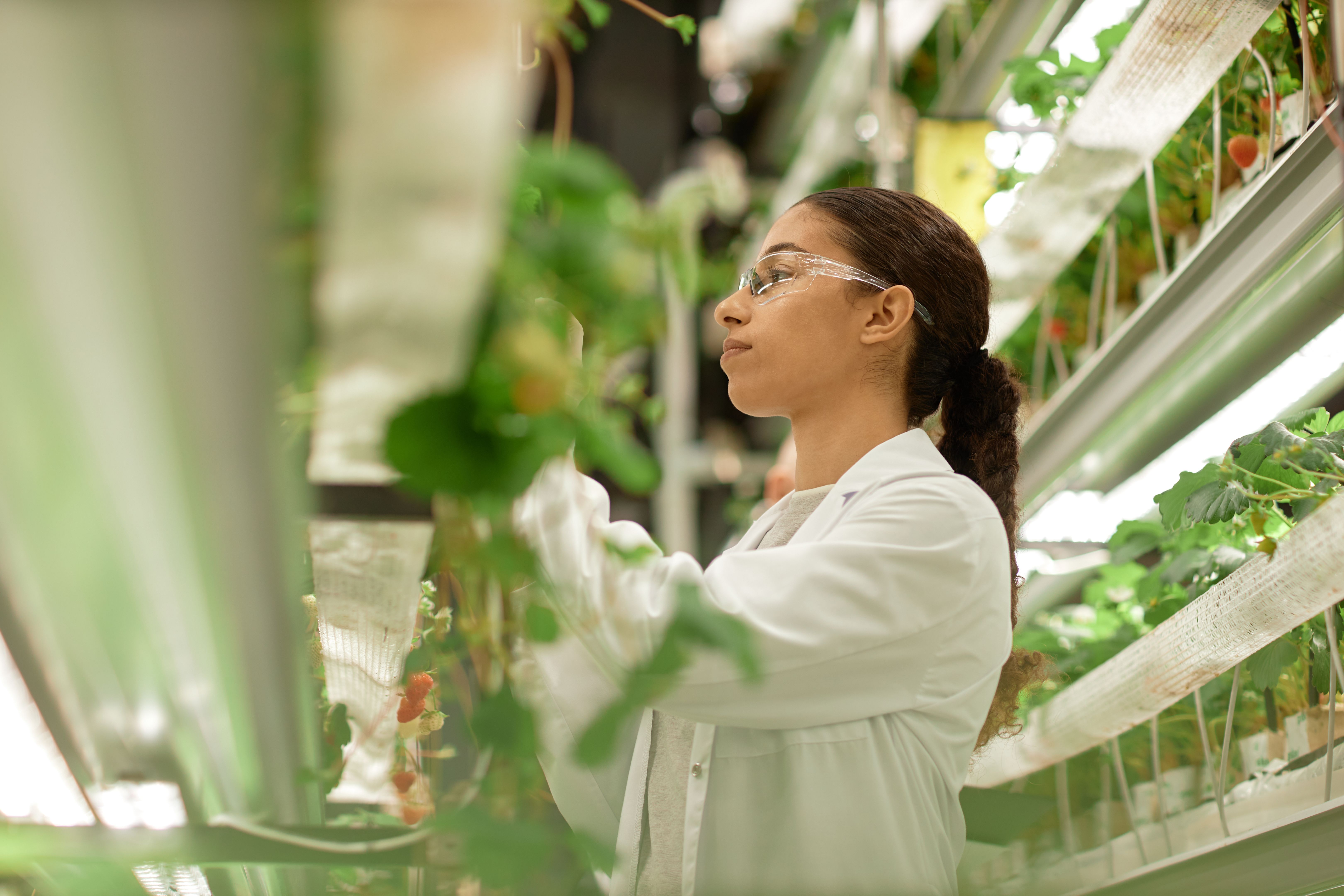
Additionally, integrating permaculture principles can help you create a self-sustaining ecosystem. Planting native species and using natural pest control methods will maintain soil health and reduce reliance on chemicals.
Raise Livestock Wisely
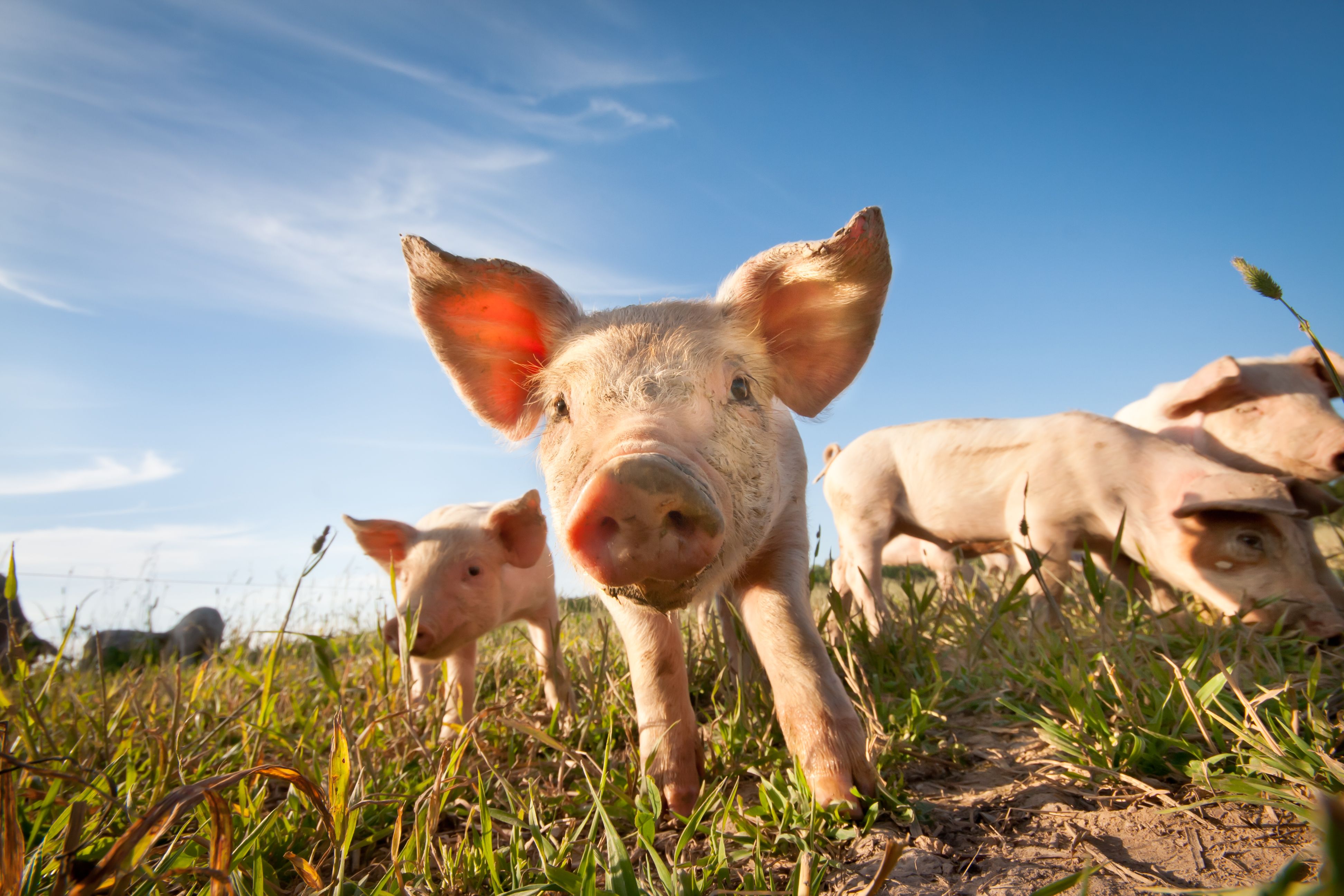
If you plan to include animals on your farm, start small. Chickens, goats, and rabbits are excellent choices for beginners due to their manageable size and care requirements. Ensure you have adequate shelter, food, and water for your livestock.
Research the specific needs of each animal and adhere to best practices for their care. This includes regular health checks, proper nutrition, and humane living conditions. Healthy animals contribute to a productive and harmonious farm environment.
Build a Community Connection
Building connections with local farmers and communities can provide invaluable support and knowledge. Attend local farmers' markets, join farming groups, or participate in online forums. Networking with other farmers can lead to opportunities for collaboration, shared resources, and learning experiences.
Engaging with your community also enhances your farm's visibility. Consider hosting farm tours, workshops, or open days to share your farming journey and educate others about sustainable practices.
Stay Adaptable and Persistent
Farming is a dynamic and evolving endeavor. Stay adaptable and be prepared to face challenges such as weather changes, pest infestations, or crop failures. Learning from these experiences and adjusting your strategies will help you grow as a farmer.
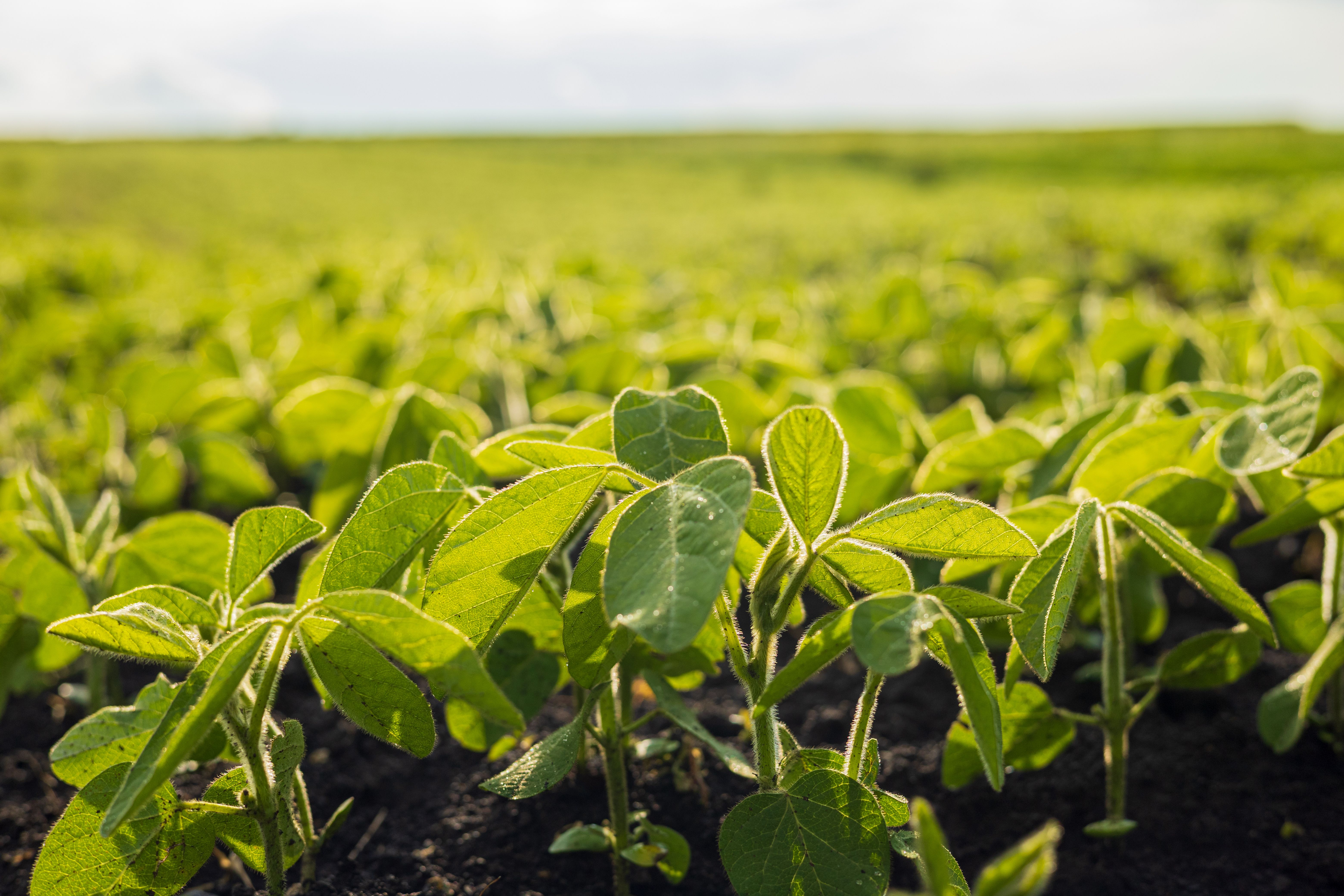
Persistence is crucial. Celebrate small victories and remain committed to your goals. With dedication and hard work, your small farm can thrive, providing you with fresh produce and a deeper connection to the land.
Embarking on your small farm adventure is an exciting opportunity to embrace nature and sustainability. By following these DIY tips inspired by Sunrise Farm Lombok, you'll be well on your way to creating a flourishing farm of your own.