Exploring Sustainable Farming Practices at Sunrise Farm Lombok


Introduction to Sustainable Farming
In recent years, sustainable farming has become a focal point for those looking to reduce environmental impact while maintaining agricultural productivity. At Sunrise Farm Lombok, these practices are the cornerstone of daily operations, embodying a commitment to ecological balance and community well-being.
Sustainable farming is not just about growing crops; it's about creating a harmonious ecosystem that supports both the environment and the people who rely on it. At Sunrise Farm, innovative techniques and traditional wisdom come together to achieve this goal.
Permaculture Principles in Practice
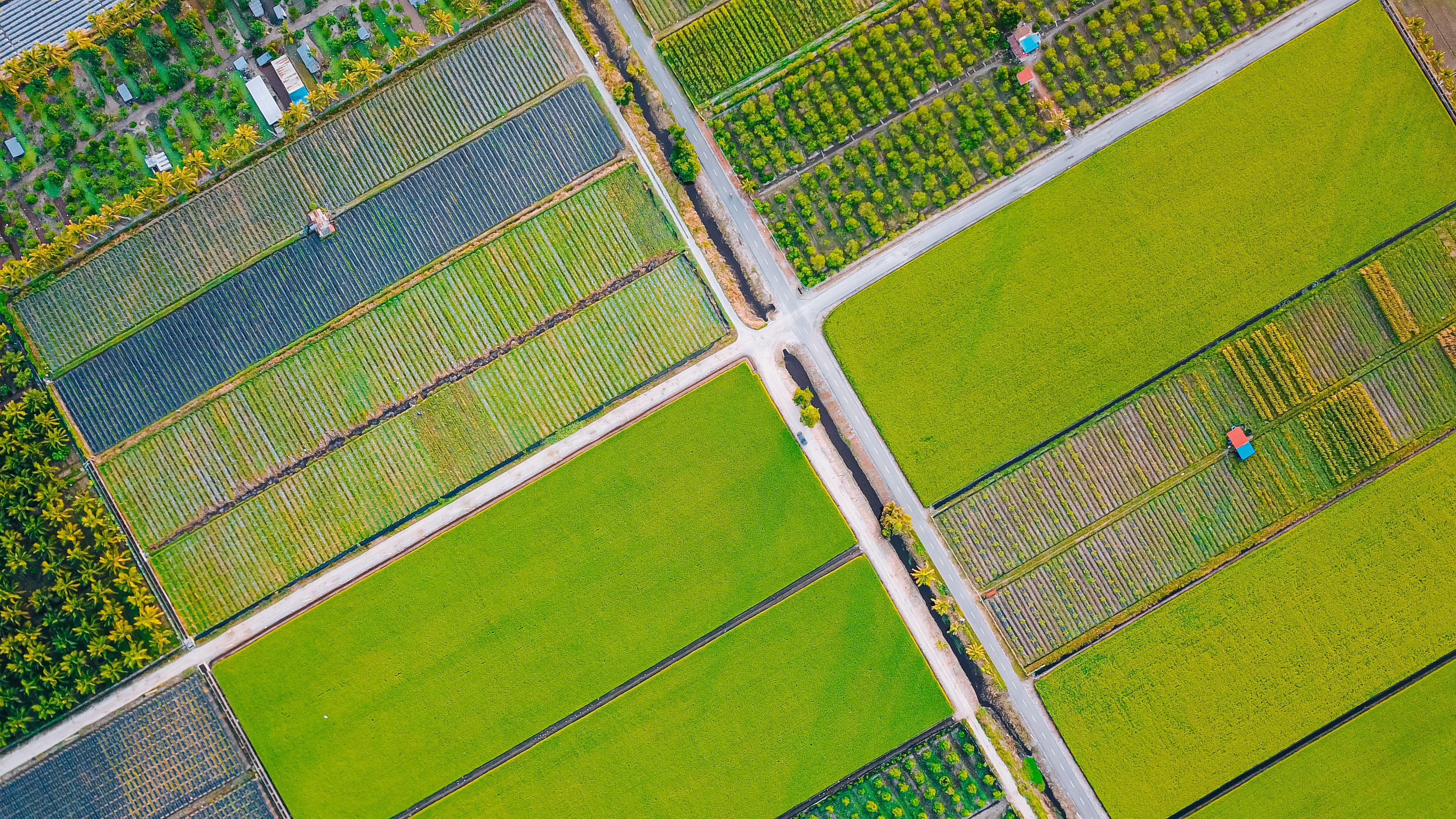
Permaculture is one of the foundational practices at Sunrise Farm. This approach involves designing agricultural landscapes that mimic natural ecosystems, promoting biodiversity and resilience. By integrating diverse plant and animal species, the farm enhances soil health and reduces pests naturally.
Key permaculture principles include using renewable resources, minimizing waste, and ensuring efficient energy use. These principles guide every aspect of farming at Sunrise Farm, from crop selection to water management.
Water Conservation Techniques
Water is a precious resource, and Sunrise Farm employs various techniques to conserve it. Drip irrigation systems deliver water directly to the roots of plants, reducing evaporation and runoff. Rainwater harvesting is also practiced, capturing and storing rain for future use.

Soil Health and Management
Healthy soil is the foundation of sustainable farming. At Sunrise Farm, soil management practices focus on maintaining fertility and structure. Techniques like crop rotation and cover cropping are used to prevent soil erosion and maintain nutrient levels.
Composting is another vital practice, recycling organic waste into nutrient-rich fertilizer. This not only enriches the soil but also reduces waste and the need for chemical fertilizers.
Agroforestry and Biodiversity
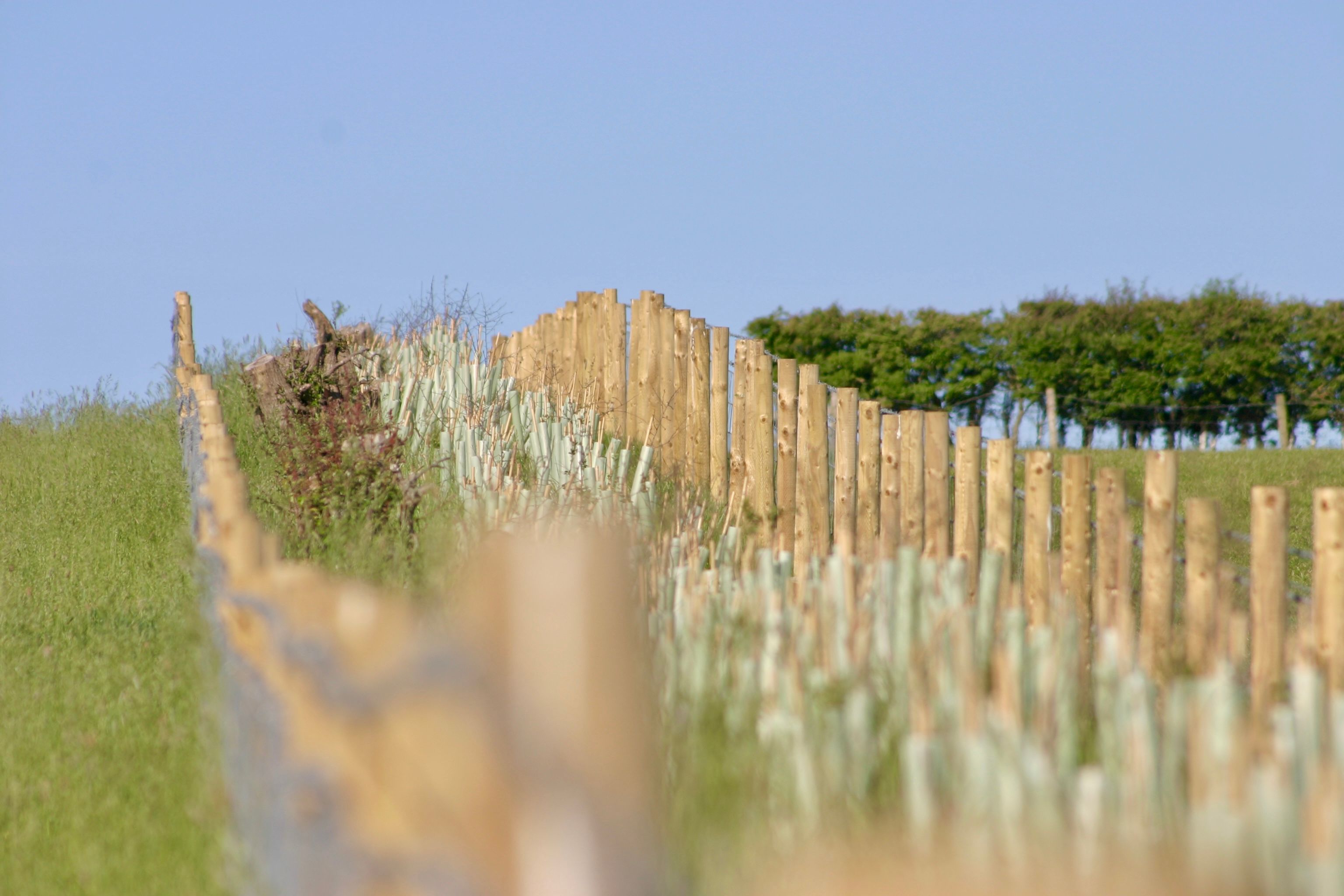
Agroforestry is a key component of Sunrise Farm's approach, integrating trees and shrubs into the farm landscape. This practice enhances biodiversity, supports wildlife, and improves soil and water quality. By planting a variety of species, the farm creates a more resilient ecosystem.
Community Involvement and Education
Sunrise Farm is not just a place of production; it is a community hub. The farm regularly hosts workshops and tours, educating visitors about sustainable practices and encouraging them to implement these techniques in their own communities.
Through partnerships with local schools and organizations, Sunrise Farm also provides opportunities for hands-on learning, fostering a new generation of environmentally conscious farmers.
Challenges and Future Goals
While Sunrise Farm has achieved much, challenges remain. Climate change, market pressures, and resource limitations are ongoing concerns. However, the farm remains committed to its mission, continuously seeking innovative solutions and setting ambitious goals for the future.

As Sunrise Farm Lombok continues to grow, it stands as a model of sustainable agriculture, inspiring others to explore and adopt these vital practices. By prioritizing the planet and people, it offers a hopeful vision for the future of farming.