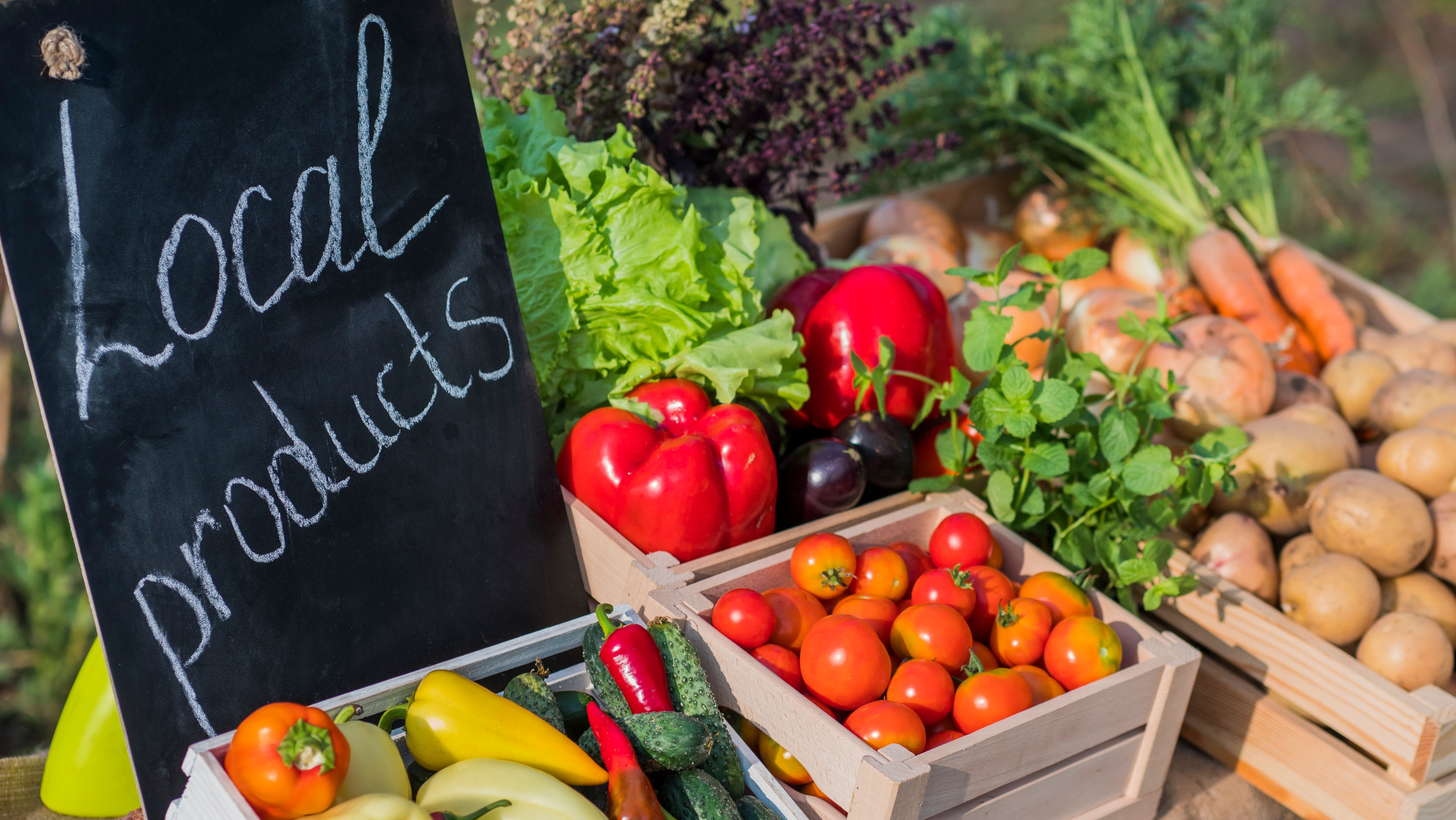
Exploring the Benefits of Farm-to-Table Produce in Lombok


Understanding Farm-to-Table
The farm-to-table movement emphasizes sourcing food directly from local farms, minimizing the distance between production and consumption. In Lombok, this approach not only supports local agriculture but also ensures that consumers receive the freshest produce possible.
By choosing farm-to-table, consumers can enjoy produce that is often harvested within 24 hours of purchase. This quick turnaround means that fruits and vegetables retain more nutrients and flavor, providing a superior culinary experience.

The Environmental Impact
Farm-to-table practices in Lombok significantly reduce the carbon footprint associated with food transportation. By cutting down on long-distance shipping, fewer fossil fuels are burned, leading to a decrease in greenhouse gas emissions.
Additionally, supporting local farms encourages sustainable agricultural methods. Farmers are more likely to use eco-friendly practices when they sell directly to their community, knowing their customers value sustainability.

Supporting the Local Economy
Purchasing farm-to-table produce in Lombok directly benefits the local economy. When consumers buy from local farmers, more money stays within the community, fostering economic growth and stability.
Local farms also create jobs, from farming positions to roles in transportation and distribution, contributing to a more robust local job market.
Health Benefits of Fresh Produce
Consuming fresh, locally sourced produce can have significant health benefits. Fruits and vegetables lose nutrients over time, so the shorter the time between harvest and consumption, the higher the vitamin and mineral content.
Farm-to-table produce in Lombok is often free from harmful pesticides and chemicals, as local farmers prioritize organic and natural farming practices. This results in healthier and safer food options for consumers.

Connecting with the Community
Farm-to-table initiatives foster a sense of community by connecting consumers directly with the people who grow their food. This relationship builds trust and encourages transparency regarding farming practices and product quality.
Community events, such as farmers' markets and farm tours, provide opportunities for consumers to learn more about local agriculture and engage with farmers, enriching the overall food purchasing experience.
Conclusion: Embracing Farm-to-Table in Lombok
Embracing the farm-to-table lifestyle in Lombok offers numerous benefits, from environmental and economic advantages to health improvements and community connections. By choosing locally sourced produce, consumers can enjoy fresher, healthier food while supporting sustainable agriculture and the local economy.
As more people become aware of these benefits, the farm-to-table movement in Lombok is likely to grow, creating a more vibrant, sustainable, and connected community.