FAQs About Organic Farming: Everything You Need to Know


What is Organic Farming?
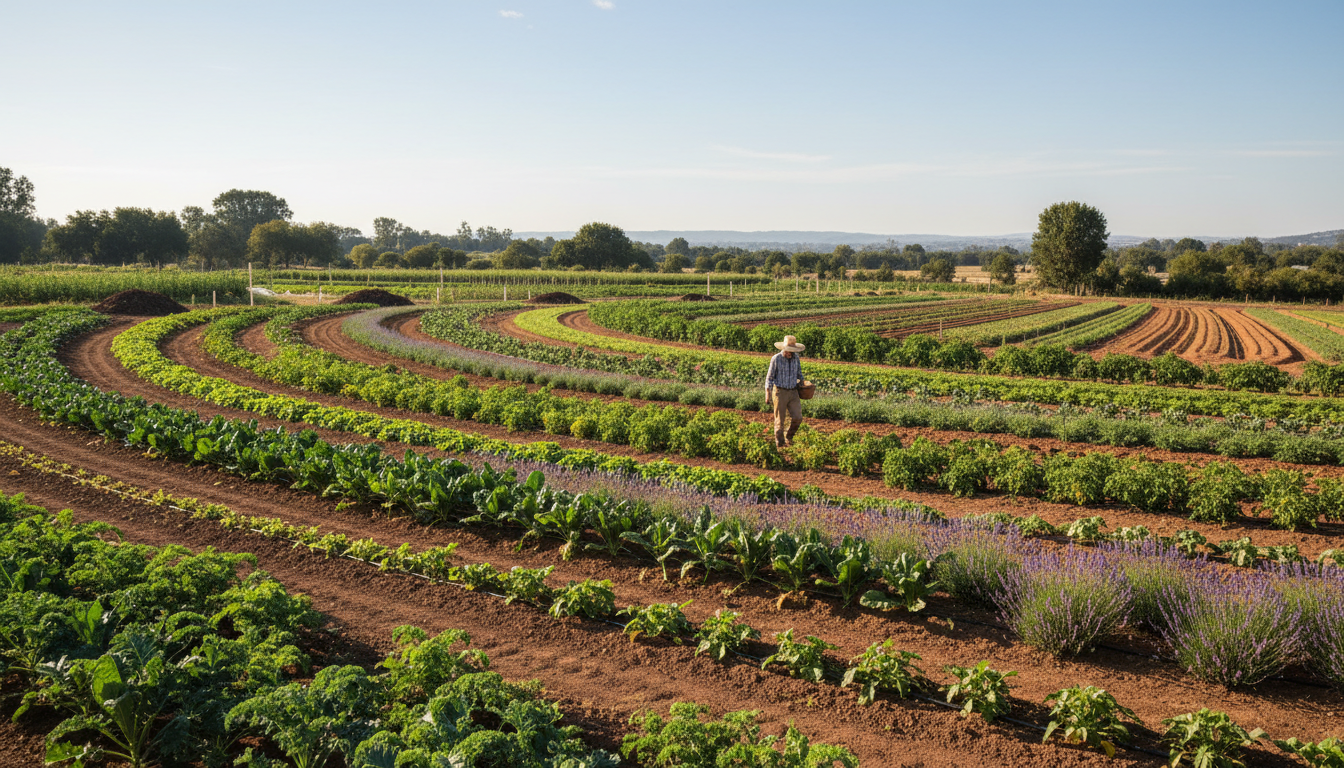
Organic farming is a method of agriculture that focuses on growing food using natural substances and processes. This practice avoids synthetic fertilizers, pesticides, and genetically modified organisms (GMOs), emphasizing a more sustainable approach to farming. The goal is to maintain ecological balance and biodiversity, improving soil health and reducing pollution.
Why Choose Organic Farming?
Many people opt for organic farming due to its environmental benefits. Organic practices help reduce pollution, conserve water, reduce soil erosion, increase soil fertility, and use less energy. Additionally, organic farming is often seen as a way to produce healthier food. By avoiding synthetic chemicals, organic farmers can provide consumers with food that some believe to be safer and more nutritious.
Frequently Asked Questions
What Are the Main Principles of Organic Farming?
The main principles of organic farming include sustainability, health, fairness, and care. These principles guide farmers in maintaining a balance with nature, ensuring soil and plant health, and treating animals and workers ethically. By aligning with these principles, organic farming aims to create a harmonious relationship with the environment.
How Does Organic Certification Work?
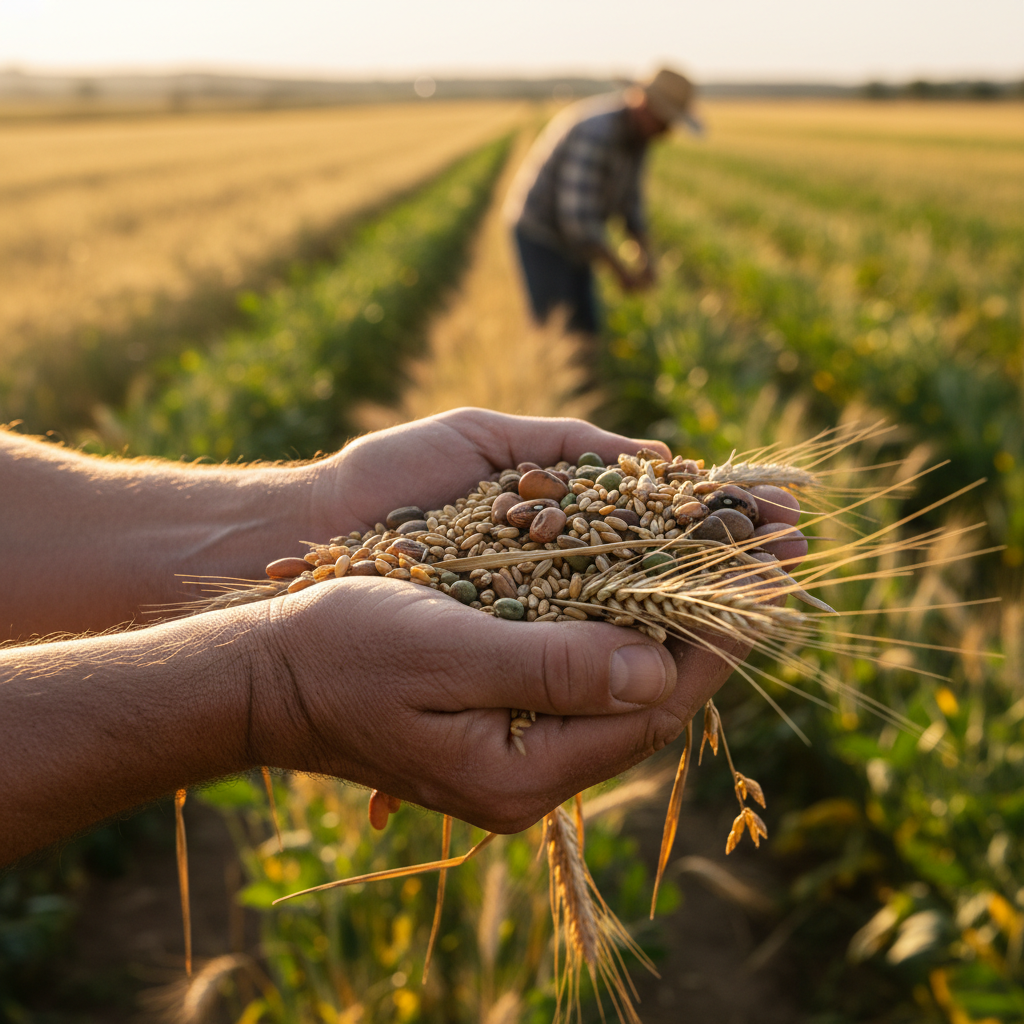
Organic certification is a process that ensures farming practices meet specific standards. Farmers must adhere to strict guidelines regarding the use of natural resources and the application of chemical inputs. Certification bodies regularly inspect farms to ensure compliance, offering consumers confidence in the organic label.
What Products Can Be Organic?
Organic farming is not limited to fruits and vegetables. It includes a wide range of products, such as grains, dairy, meat, and even textiles like cotton. Farmers can apply organic practices across various sectors, providing a diverse array of options for consumers looking for organic goods.

The Challenges of Organic Farming
Is Organic Farming More Expensive?
One common concern is the cost associated with organic farming. Organic products often come with a higher price tag due to more labor-intensive practices and the need for more land. However, many consumers are willing to pay extra for the perceived health benefits and environmental advantages.
How Can Farmers Transition to Organic Farming?
Transitioning to organic farming can be challenging. It requires a shift in mindset and practices, often involving a three-year conversion period. During this time, farmers must adhere to organic standards without the ability to market products as organic. Education and support from certification bodies can aid in the transition process.
Conclusion
Organic farming presents a viable solution for sustainable agriculture, focusing on environmental health and ethical practices. By understanding its principles, challenges, and benefits, both farmers and consumers can make informed decisions. As the popularity of organic products continues to grow, the future of organic farming looks promising.