How to Prepare Your Farm for the Rainy Season in Indonesia


Understanding the Indonesian Rainy Season
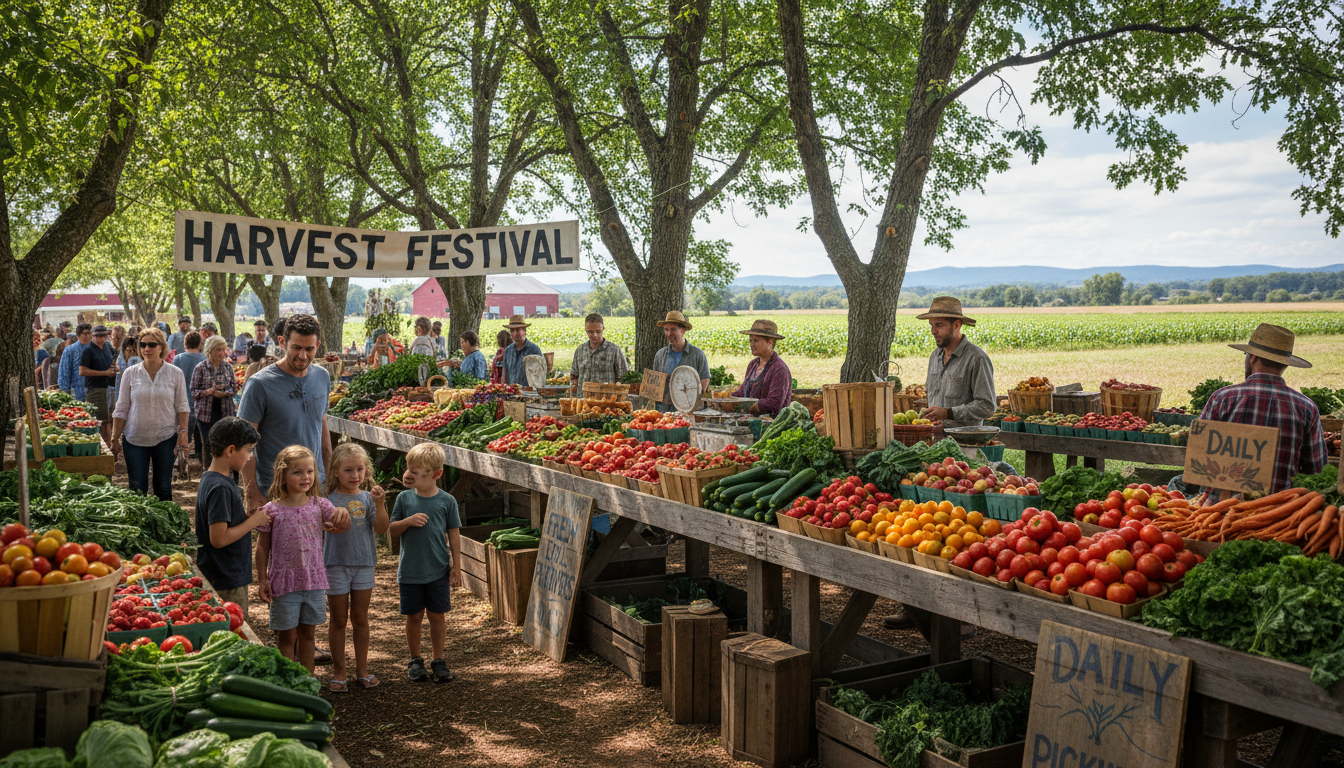
The rainy season in Indonesia can bring both challenges and opportunities for farmers. Typically starting in November and lasting until March, this period is marked by heavy rainfall and increased humidity. Being well-prepared can help mitigate risks and enhance productivity. Understanding the weather patterns specific to your region is the first step in effective preparation.
Assess and Improve Drainage Systems
Proper drainage is crucial to prevent waterlogging, which can damage crops. Start by assessing your current drainage systems. Ensure ditches, channels, and pipes are clear of debris. Consider installing additional drainage solutions if your fields are prone to flooding. This will help maintain soil health and prevent crop loss.
Regular maintenance is essential. Schedule routine checks throughout the rainy season to ensure the systems remain functional. An effective drainage system can significantly reduce the risk of water-related damage.
Soil Management and Fertility
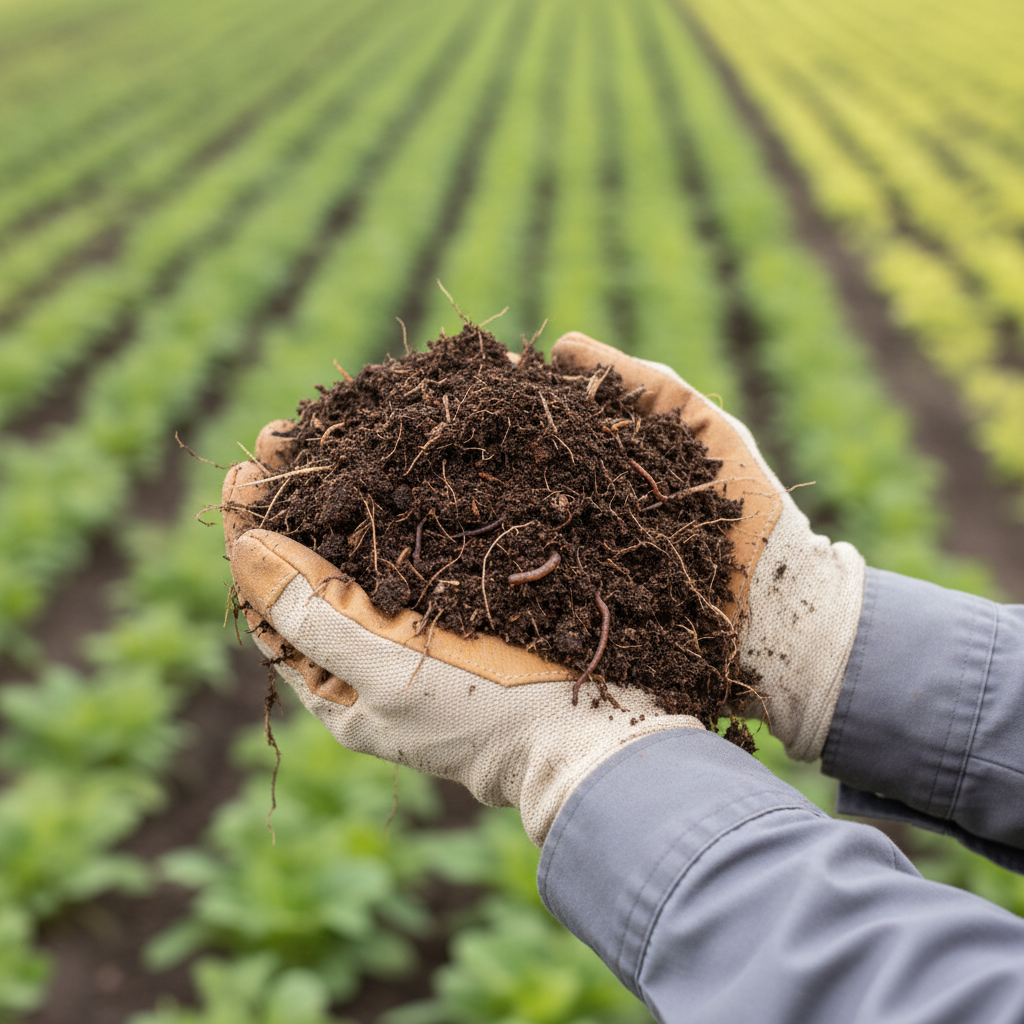
Heavy rains can lead to soil erosion and nutrient leaching. To combat this, implement soil conservation techniques such as cover cropping and mulching. These practices help retain soil structure and fertility, providing a stable environment for crops.
Additionally, testing your soil before the rainy season can inform any necessary amendments to balance pH levels and replenish vital nutrients. Consider using organic fertilizers to improve soil health sustainably.
Choose the Right Crops
Selecting the right crops is crucial during the rainy season. Opt for varieties that are resistant to excess moisture and common wet-season diseases. Popular choices in Indonesia include rice, taro, and certain types of vegetables such as spinach and kale.
Crop rotation can also play a vital role in preventing pest and disease buildup. Rotate crops that require different nutrients to maintain soil fertility and health.
Protect Livestock and Infrastructure
It's not just crops that need protection during the rainy season. Livestock requires adequate shelter to prevent exposure to harsh weather conditions. Ensure barns and stables are waterproof and well-ventilated.
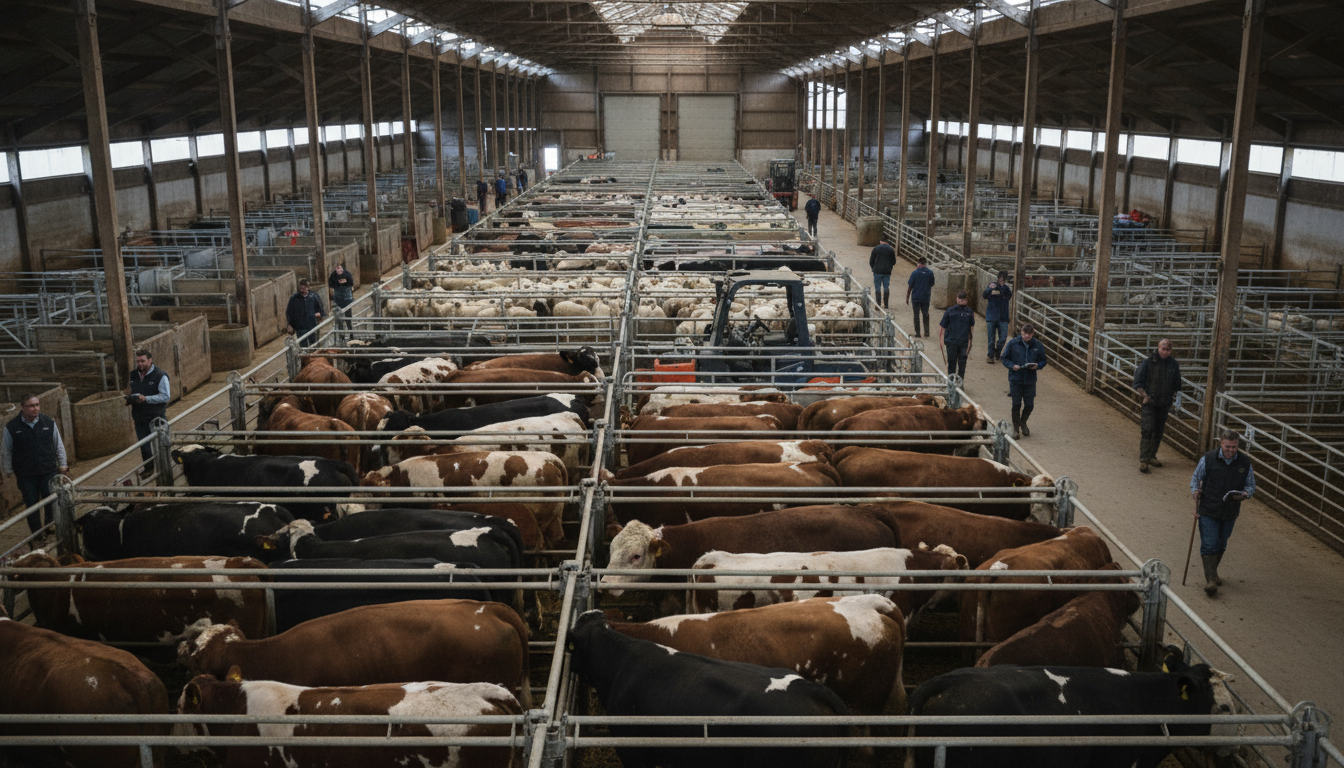
Inspect infrastructure, including fences and storage facilities, for any damage or vulnerabilities. Reinforcing these structures can prevent costly repairs and losses during the season.
Plan for Efficient Water Usage
While the rainy season provides ample water, efficient usage is still important. Implement rainwater harvesting systems to capture and store excess water for drier periods. This approach not only conserves natural resources but also ensures a steady water supply throughout the year.
Utilizing drip irrigation systems during less intense rain periods can also help distribute water evenly and reduce wastage.
Conclusion
Preparation is key to thriving during Indonesia's rainy season. By focusing on drainage, soil management, crop selection, livestock protection, and water efficiency, farmers can turn potential challenges into opportunities for growth. Stay proactive and adapt to the changing conditions to ensure a successful farming season.