How to Start a Farm in Indonesia: A Step-by-Step Guide


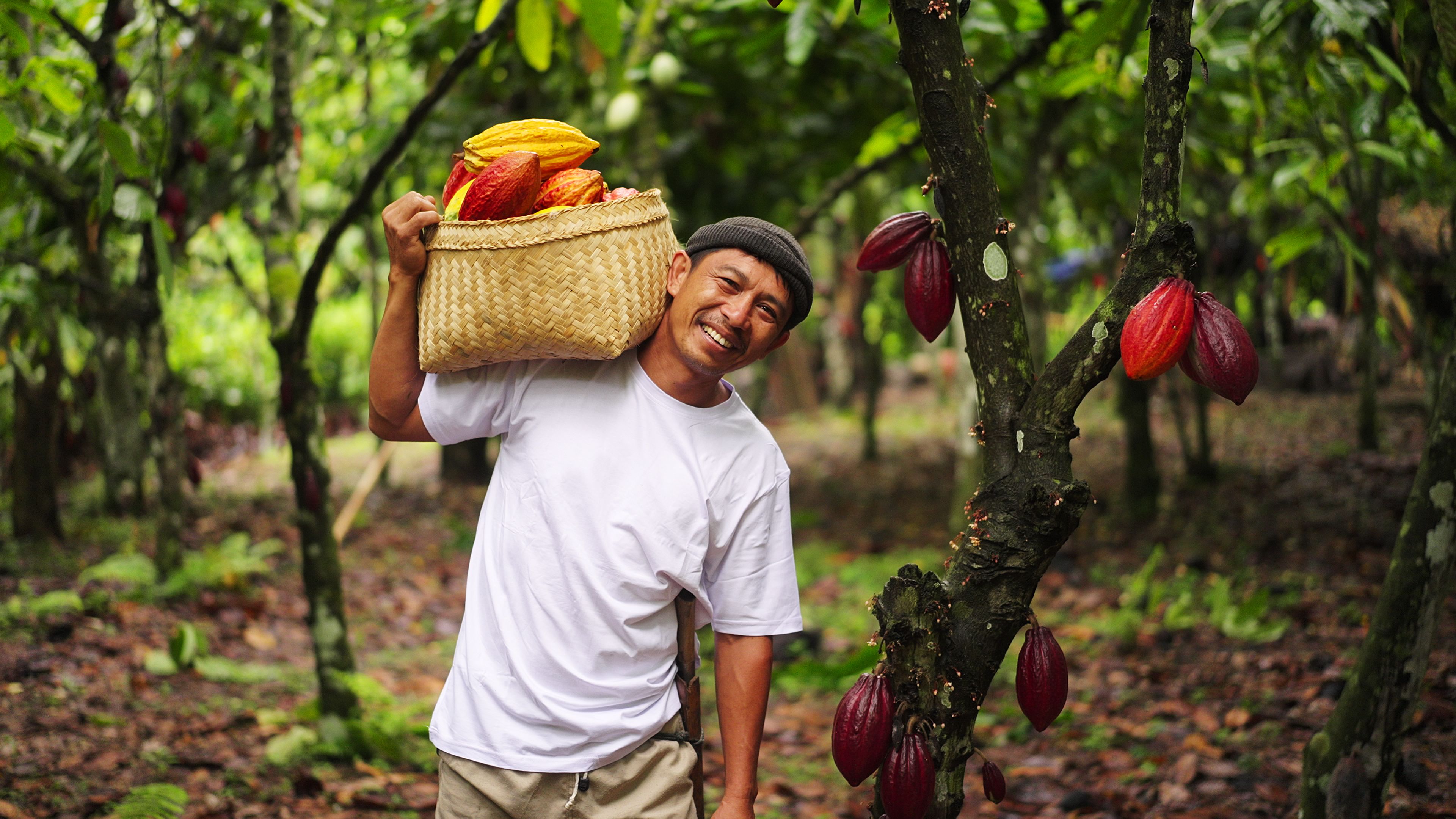
Starting a farm in Indonesia can be a rewarding venture, offering a blend of modern agriculture and traditional techniques. With its diverse climate and fertile land, Indonesia presents myriad opportunities for aspiring farmers. Here's a step-by-step guide to help you get started.
Understanding the Basics
Before you start farming, it's essential to understand the types of agriculture that thrive in Indonesia. The country's climate supports a wide variety of crops, including rice, coffee, and rubber. Research the market demand and choose a crop that suits your skills and interests.
Research and Planning
Begin with thorough research. Understand the local climate, soil conditions, and water availability. Consider the logistics of getting your products to market. Create a detailed business plan outlining your goals, budget, and timeline.
Securing Land
Land acquisition is a crucial step. You can either purchase or lease land, depending on your budget. Ensure the land has good soil quality and access to water. Check local regulations and zoning laws to avoid legal issues.
Legal Requirements
Register your farm with the appropriate government bodies. Obtain the necessary permits and licenses. It's advisable to consult with a local attorney to navigate Indonesia's legal landscape effectively.
Preparing the Land
Once you have secured the land, it's time to prepare it for farming. This may involve clearing, plowing, and fertilizing the soil. Choose sustainable practices to maintain soil health and conserve resources.
Selecting the Right Crops
Choose crops that are suitable for your region's climate and soil. Consider high-demand crops like rice, palm oil, or spices. Diversifying your crops can reduce risks and increase profitability.

Investing in Equipment and Resources
Invest in quality farming equipment that suits your chosen type of agriculture. This can range from simple hand tools to modern machinery. Ensure access to necessary resources like seeds, fertilizers, and water.
Hiring and Training Staff
As your farm grows, hiring skilled labor will be crucial. Provide training to ensure your staff is familiar with modern farming techniques and safety protocols.

Marketing Your Produce
Develop a marketing strategy to sell your produce. This might involve selling directly to consumers, partnering with local markets, or exporting your products. Utilize social media and online platforms to reach a broader audience.
Monitoring and Expansion
Consistently monitor your farm’s performance. Keep track of production levels, expenses, and profits. Use this data to make informed decisions about expanding your operations or diversifying your crops.

Starting a farm in Indonesia requires careful planning and execution, but with the right approach, it can be a fulfilling and profitable endeavor. Embrace sustainable practices, stay informed about market trends, and continuously adapt to changes in the agricultural landscape.