How to Start Your Own Organic Garden: Tips from Sunrise Farm Lombok


Starting your own organic garden can be a rewarding and sustainable way to enjoy fresh produce right from your backyard. At Sunrise Farm Lombok, we believe that anyone can cultivate a thriving organic garden with the right knowledge and tools. Whether you're a beginner or an experienced gardener, these tips will help you get started.
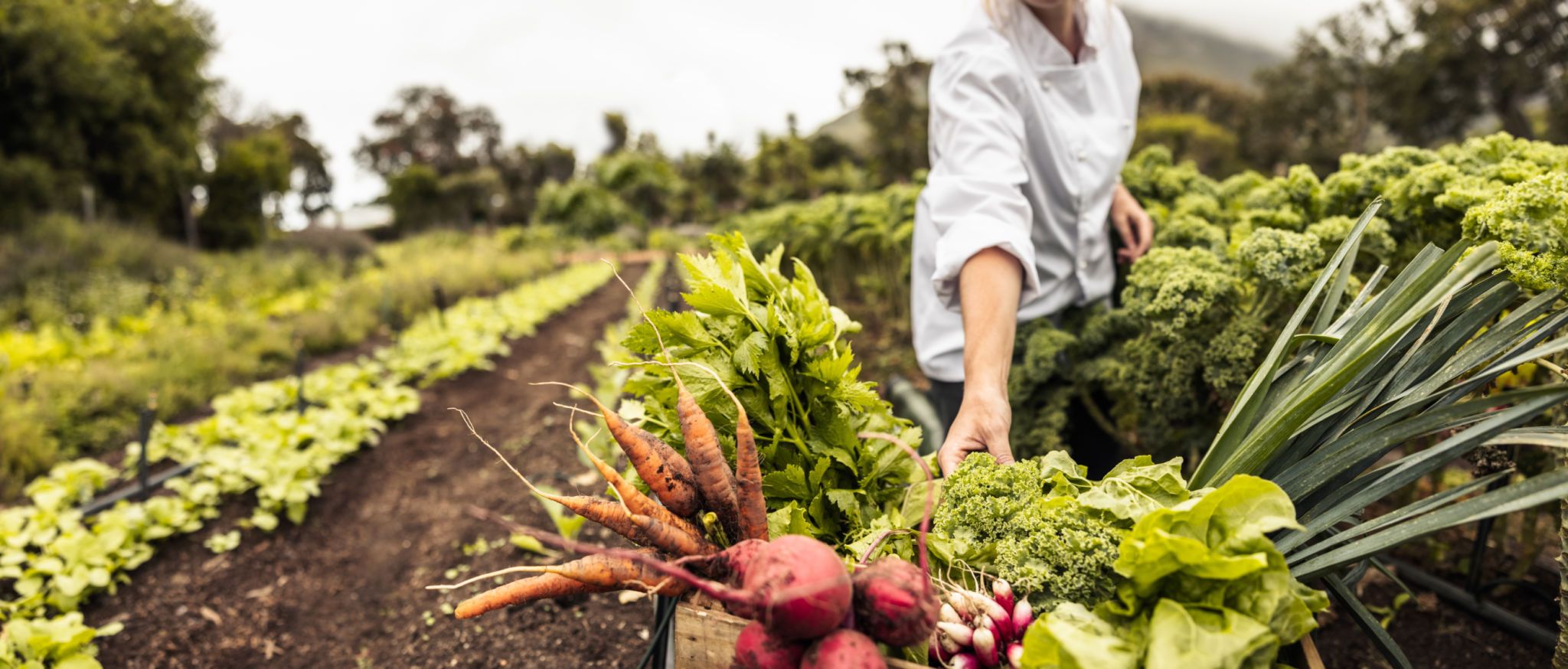
Choose the Right Location
The first step in creating your organic garden is selecting the perfect location. Look for a spot that receives at least six to eight hours of direct sunlight each day. Adequate sunlight is crucial for the healthy growth of most vegetables and herbs. Additionally, consider the proximity to a water source, as regular watering is essential.
Ensure that the location has good drainage. You can test this by digging a small hole and filling it with water. If the water drains away quickly, your spot should be suitable. If not, consider raised beds or amending the soil to improve drainage.
Prepare the Soil
Healthy soil is the foundation of any successful organic garden. Start by removing any weeds, rocks, or debris from the area. At Sunrise Farm Lombok, we recommend enriching your soil with organic matter such as compost or well-rotted manure. These additions will improve soil fertility and structure.
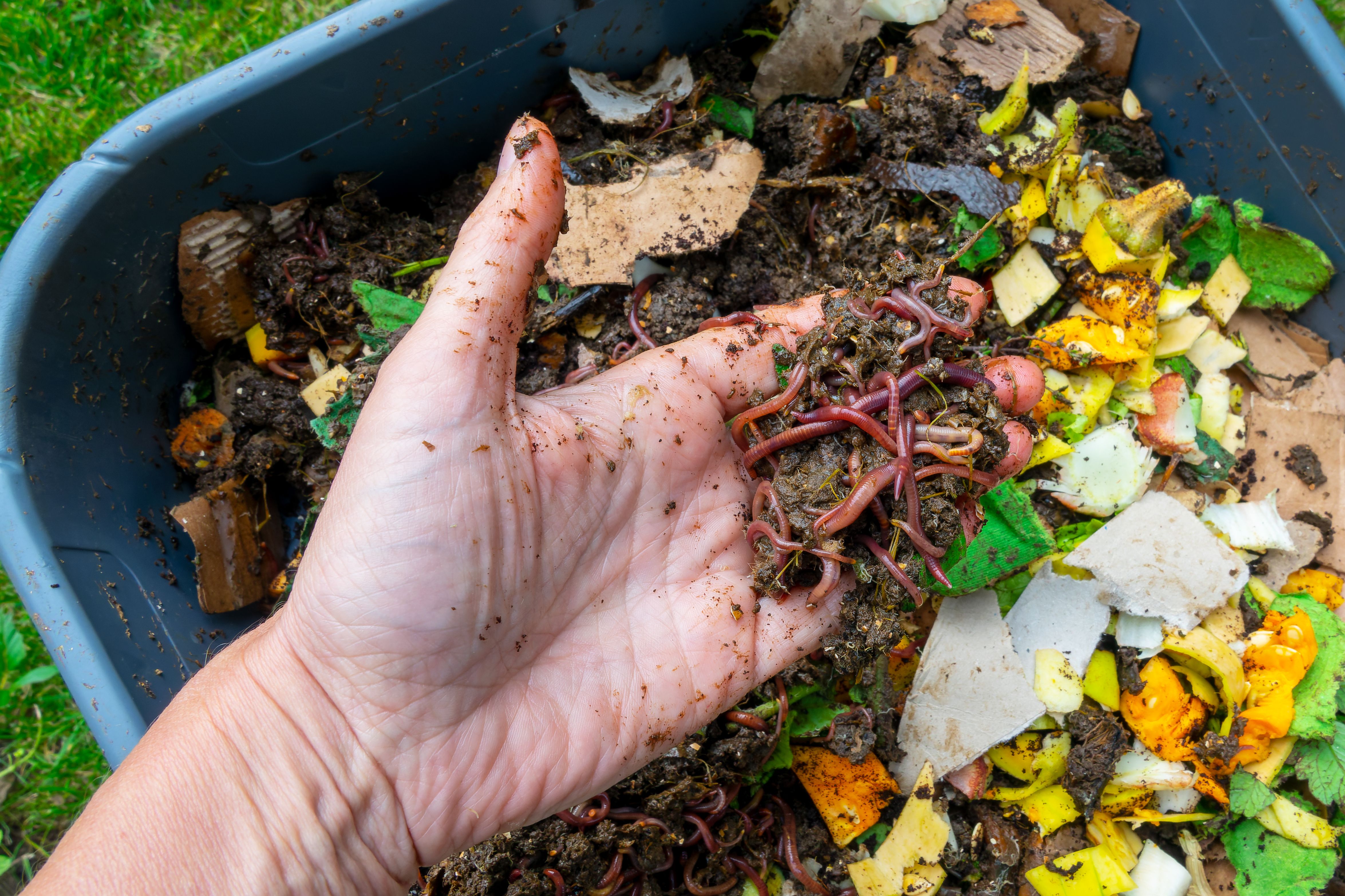
Testing your soil's pH level can also be beneficial. Most vegetables prefer a slightly acidic to neutral pH, around 6.0 to 7.0. You can adjust the pH by adding lime to raise it or sulfur to lower it, depending on your soil's needs.
Select Your Plants
Choosing the right plants is crucial for a successful garden. Consider what vegetables and herbs you and your family enjoy eating. Some easy-to-grow options for beginners include tomatoes, lettuce, carrots, and basil. Select varieties that are well-suited to your climate and growing season.
At Sunrise Farm Lombok, we recommend starting with seedlings rather than seeds, as they are easier to manage for beginners and have a higher success rate. Be sure to research each plant’s specific needs, such as spacing and companion planting options.
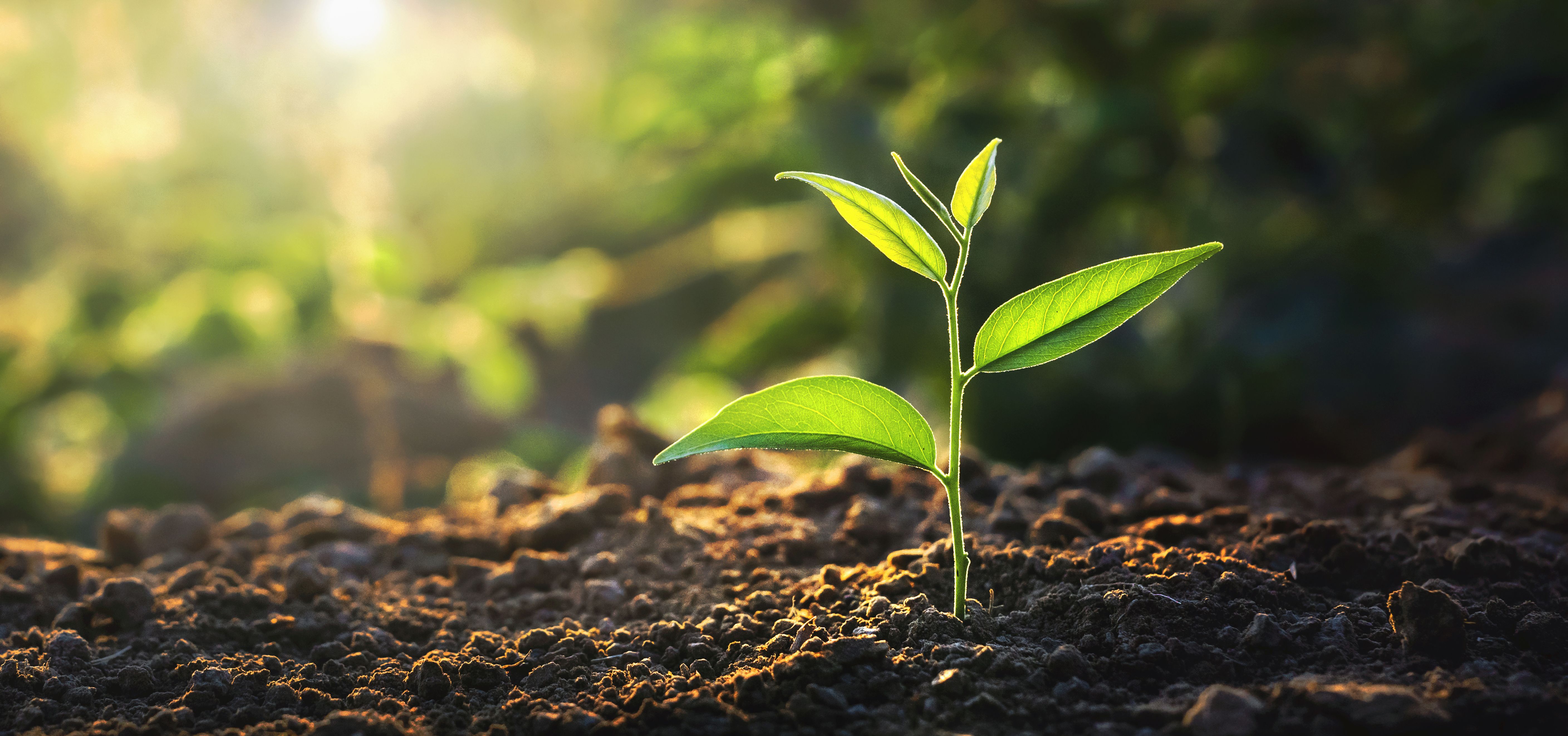
Implement Organic Practices
Maintaining an organic garden means using natural methods to nurture your plants. Avoid chemical pesticides and fertilizers. Instead, opt for organic alternatives such as neem oil, insecticidal soap, or homemade compost tea. These methods are not only safer for your health but also for the environment.
Practice crop rotation and interplanting to prevent pest infestations and soil depletion. For instance, planting marigolds alongside tomatoes can help deter nematodes and other pests. Regularly monitor your plants for signs of disease or pests, and take action promptly to manage any issues.
Maintain and Harvest
Consistent care is key to a flourishing organic garden. Water your plants deeply but infrequently to encourage strong root growth. Mulching can help retain moisture and suppress weeds, reducing the need for frequent watering and weeding.

Harvest your crops regularly to promote continued growth and prevent overripening. Each plant has its own indicators for harvesting, so familiarize yourself with the signs. Enjoy the fruits of your labor and share them with friends and family!
By following these tips from Sunrise Farm Lombok, you'll be well on your way to cultivating a vibrant and sustainable organic garden. Remember, patience and practice are key, and your efforts will soon be rewarded with fresh, homegrown produce.