How to Start Your Own Organic Garden: Tips from Sunrise Farm Lombok


Why Choose Organic Gardening?
Starting your own organic garden is a rewarding venture that not only provides fresh produce but also supports a healthier lifestyle and environment. At Sunrise Farm Lombok, we believe in the power of organic gardening to reconnect people with nature. By avoiding synthetic chemicals, you protect both your health and the planet.
Organic gardening focuses on nurturing the soil, encouraging biodiversity, and using natural pest control methods. This approach results in nutrient-rich produce that tastes better and is free from harmful pesticides. Let's explore how you can begin your own organic garden with some expert tips from our farm.
Planning Your Garden
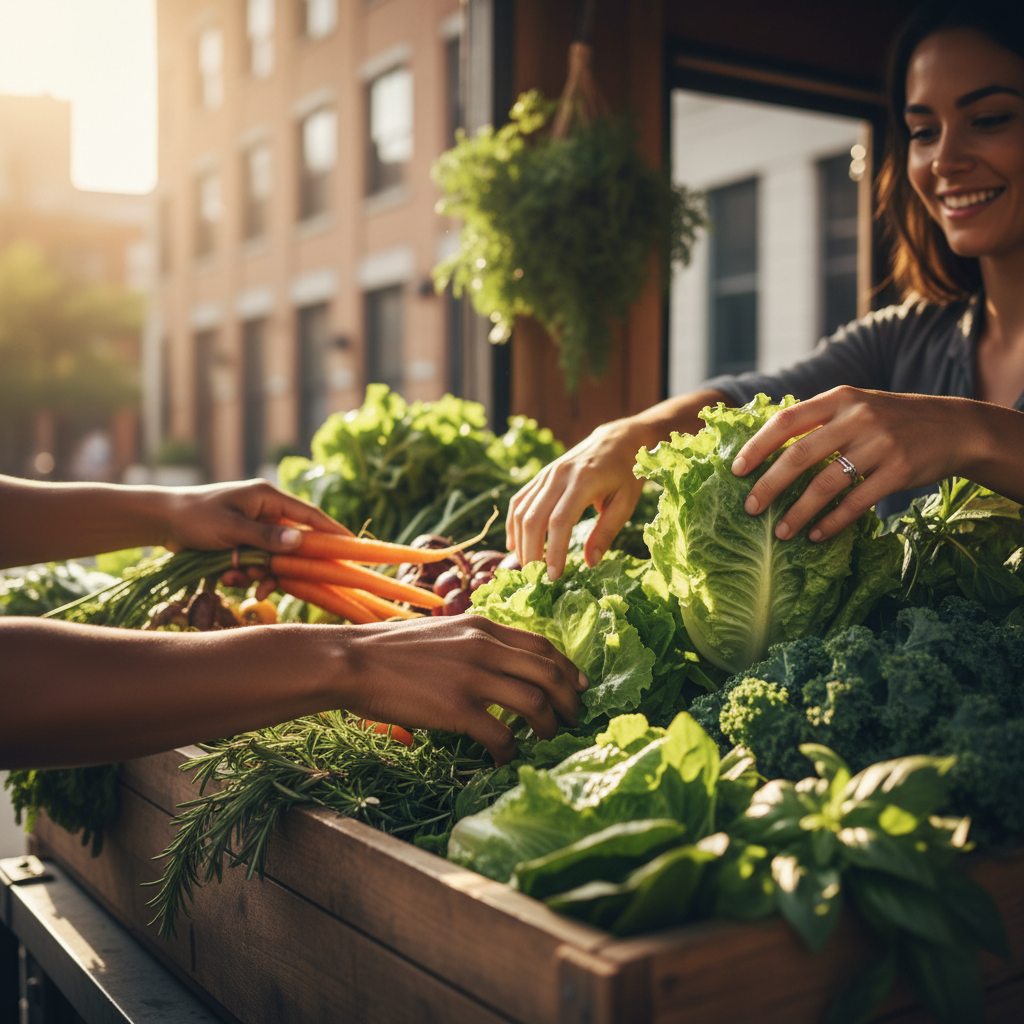
The first step in starting your organic garden is planning. Consider the space you have available and the types of vegetables or herbs you want to grow. A well-thought-out plan will maximize your yield and make the gardening process more enjoyable.
Selecting the Right Location
Choose a location that receives ample sunlight, as most vegetables require at least six hours of direct sunlight per day. Ensure the area has good drainage and is protected from strong winds. If you're limited on space, container gardening is an excellent option.
Soil Preparation
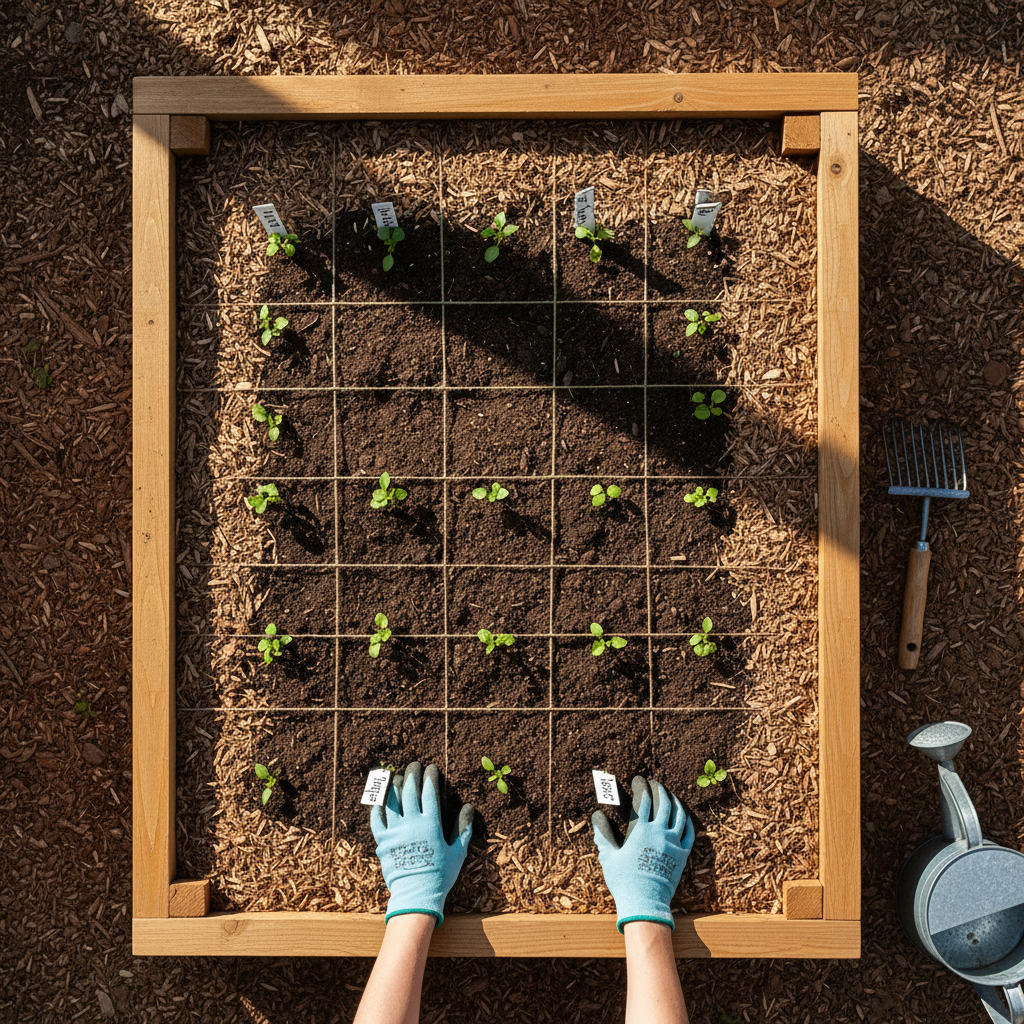
Healthy soil is the foundation of a successful organic garden. Test your soil to understand its composition and nutrient levels. Adding organic matter such as compost, aged manure, or peat moss will improve soil fertility and structure.
Composting Basics
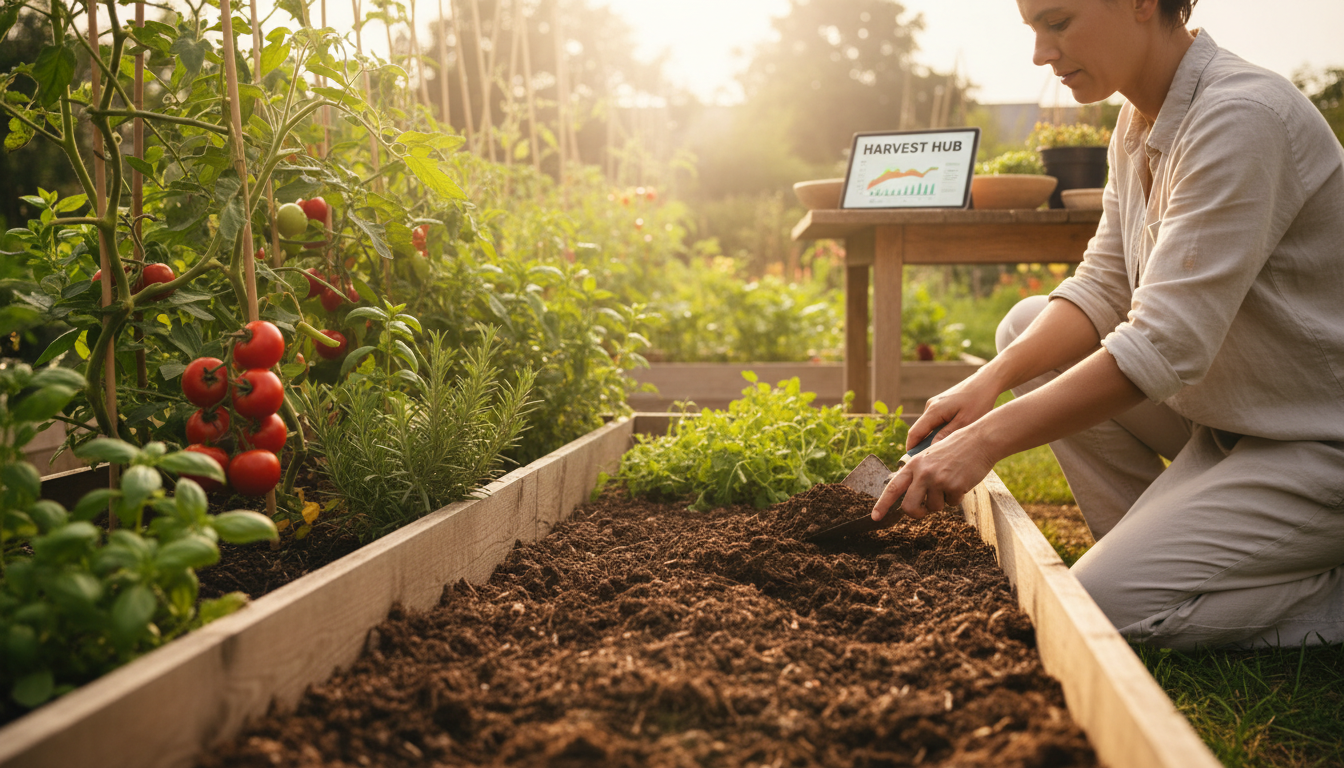
Composting is a vital practice in organic gardening. It recycles kitchen scraps and yard waste into nutrient-rich compost. Maintain a balance of green and brown materials in your compost pile, and turn it regularly to speed up the decomposition process.
Choosing the Right Plants
Select plants that are well-suited to your climate and soil conditions. Start with easy-to-grow vegetables like tomatoes, cucumbers, and lettuce. Incorporate a mix of plants that mature at different times to ensure a continuous harvest.
Companion Planting
Companion planting is a technique where certain plants are grown together to enhance growth and deter pests. For example, planting basil near tomatoes can improve flavor and repel insects. Research compatible plant pairings to boost your garden's productivity.
Natural Pest Control
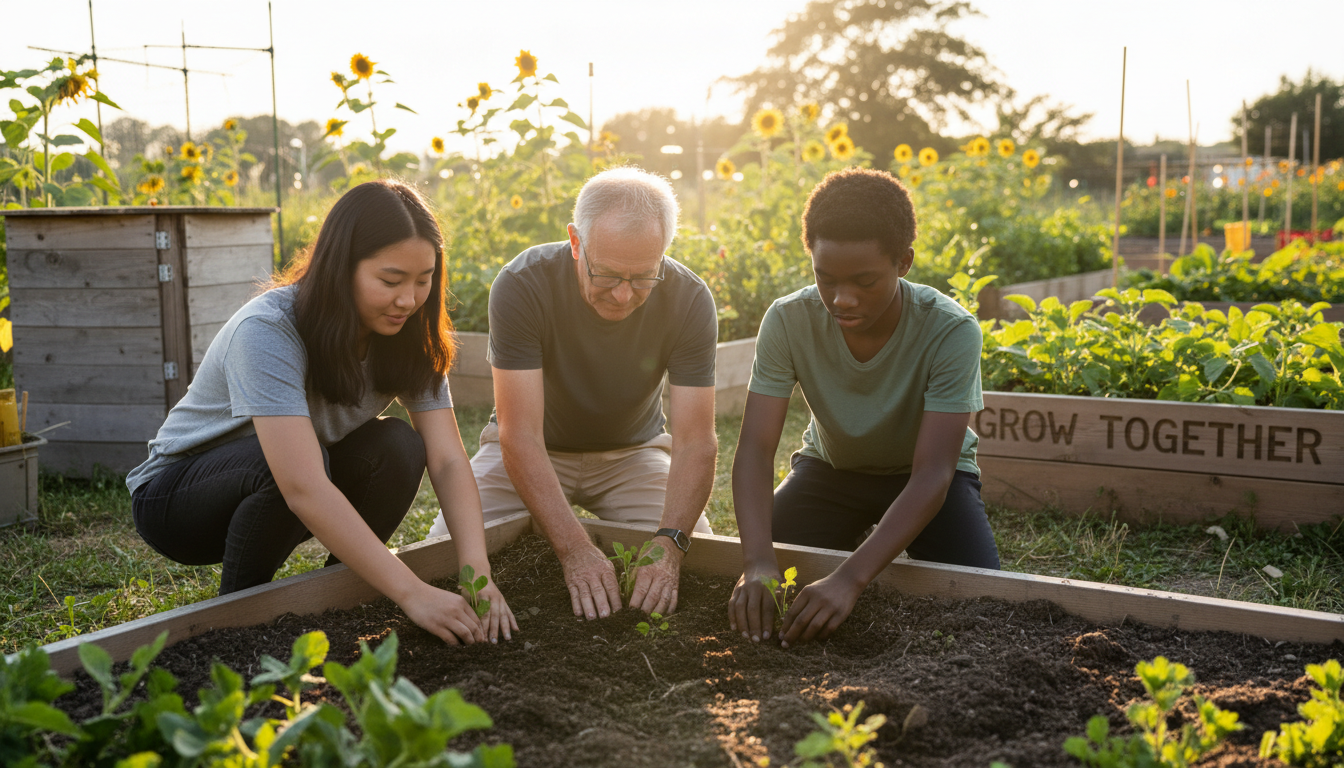
In organic gardening, it's essential to manage pests without synthetic chemicals. Encourage beneficial insects like ladybugs and bees, which naturally control pest populations. Handpicking pests and using barriers like row covers can also be effective.
Homemade Remedies
Create homemade pest repellents using natural ingredients. A mixture of water, dish soap, and garlic can deter aphids and other soft-bodied insects. Regularly inspect your plants for signs of pests and act promptly to prevent infestations.
Maintaining Your Garden
Consistent care is key to a thriving organic garden. Water your plants deeply but infrequently to encourage strong root growth. Mulching helps retain moisture and suppress weeds, reducing the need for frequent watering and weeding.
Keep track of your garden's progress through a journal. Note what works well and any challenges you encounter. This will help you refine your approach and become a more successful organic gardener over time.