How to Start Your Own Vegetable Garden at Home


Choosing the Right Location
Starting your own vegetable garden at home can be a rewarding experience. The first step is selecting the right location. Ideally, your garden should be in a spot that receives at least six to eight hours of sunlight each day. If possible, choose a location close to a water source to make watering easier.
Consider the soil quality in your chosen location. Vegetables thrive in well-drained, fertile soil. You may need to amend your soil with organic matter, like compost or aged manure, to improve its fertility and drainage.
Planning Your Garden Layout
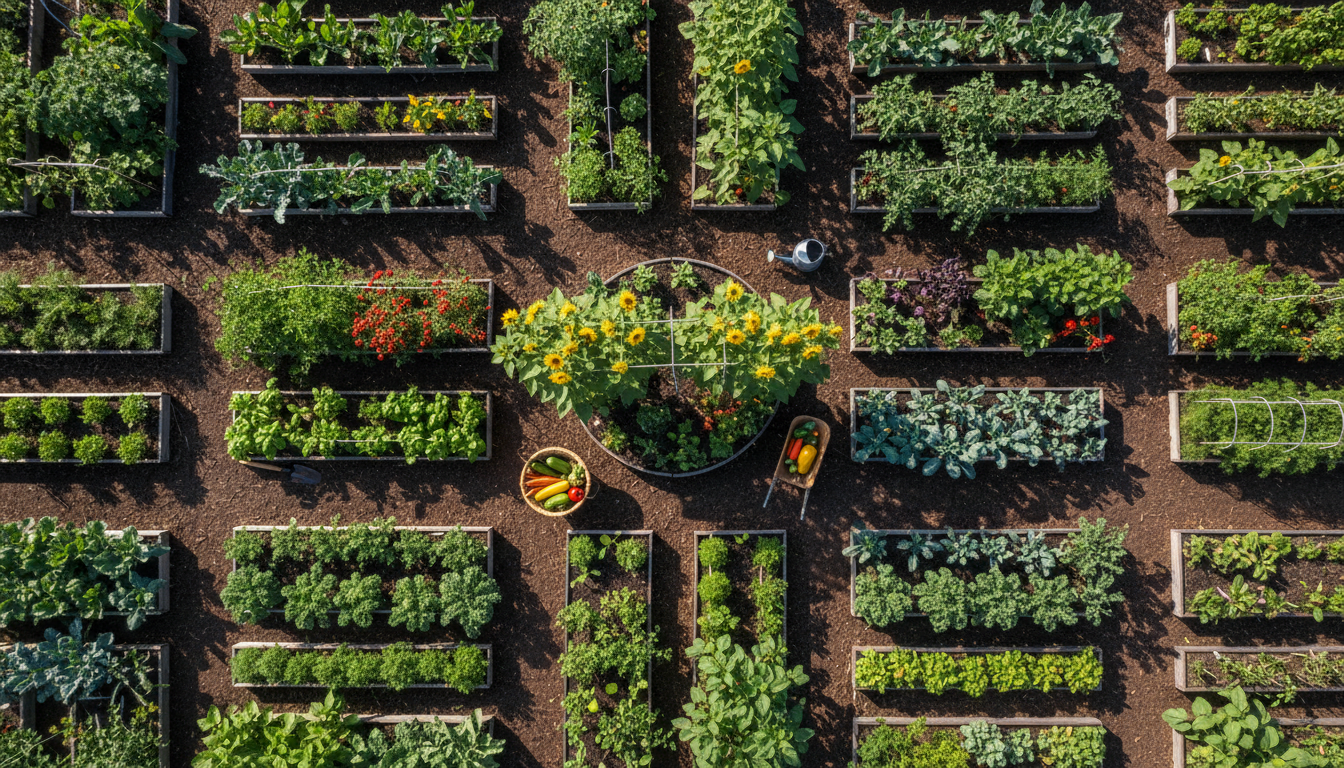
Once you've chosen the location, it's time to plan your garden layout. Decide which vegetables you want to grow based on your climate, space, and personal preferences. It's important to consider the growth habits of each plant. For example, tall plants like tomatoes and corn can shade smaller plants, so plan their placement accordingly.
Using a raised bed or container gardening can be a great option if you have limited space or poor soil conditions. Raised beds can help with drainage and soil quality, while containers allow you to move your plants to capture the best sunlight.
Gathering the Necessary Tools
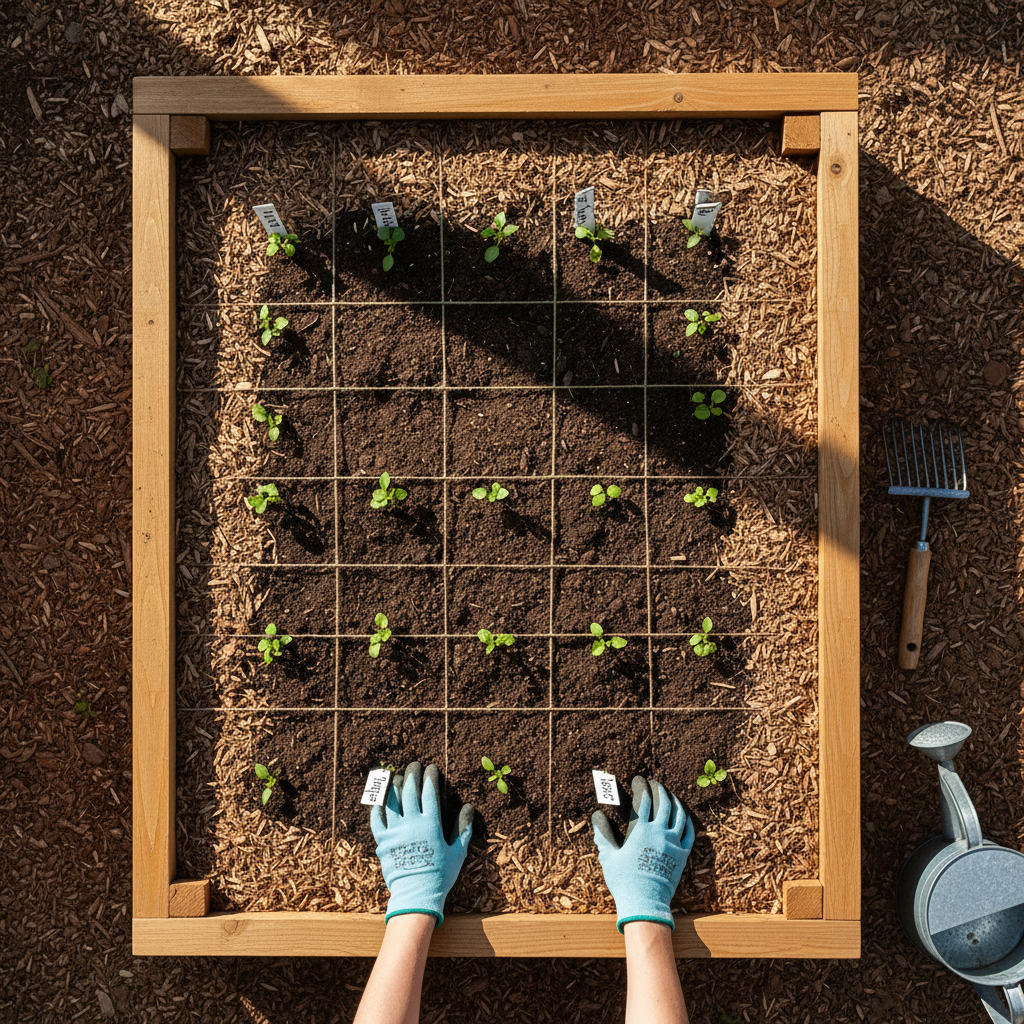
Before you start planting, gather the necessary gardening tools. Basic tools include a trowel, garden fork, hoe, and watering can or hose. Investing in a good pair of gardening gloves can protect your hands from dirt and thorns. A wheelbarrow can also be helpful for transporting soil and plants.
Preparing the Soil
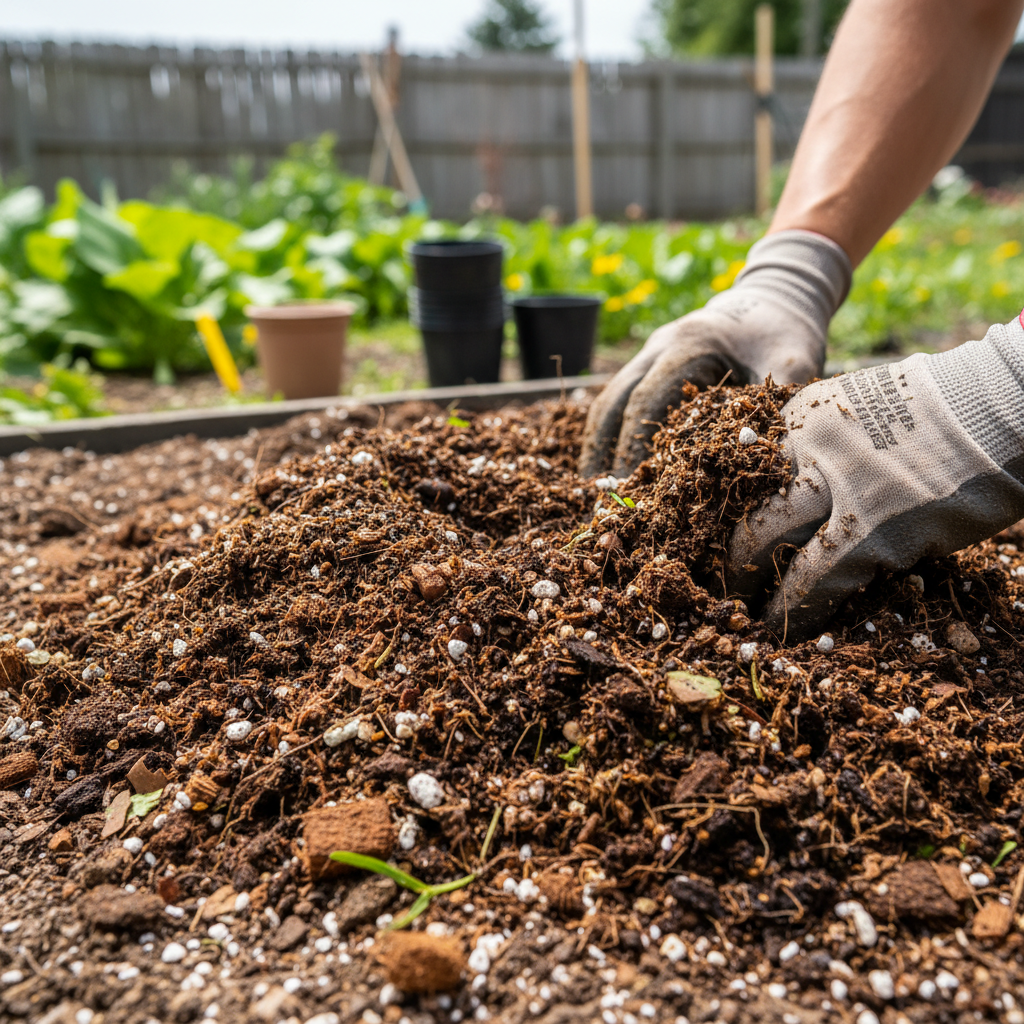
Proper soil preparation is crucial for a successful vegetable garden. Begin by clearing the area of weeds and debris. Use a garden fork or tiller to loosen the soil, breaking up any large clumps. Incorporate organic matter like compost to enrich the soil and promote healthy plant growth.
Test your soil's pH level to ensure it's suitable for vegetable growth. Most vegetables prefer slightly acidic to neutral soil (pH 6.0 to 7.0). You can adjust the pH by adding lime to raise it or sulfur to lower it, depending on the results.
Planting Your Vegetables
Now comes the fun part: planting your vegetables. Follow the seed packet or plant label instructions for planting depth and spacing. Be mindful of the last frost date in your area to avoid planting too early. Some hardy vegetables, like peas and spinach, can be planted before the last frost, while others, like tomatoes and peppers, should be planted after.
Water your plants thoroughly after planting to help them settle into their new environment. Regular watering is essential, especially during dry periods, to keep your vegetables healthy and productive.
Maintaining Your Garden
Once your garden is planted, regular maintenance is key. Keep an eye out for weeds and remove them promptly, as they compete with your vegetables for nutrients and water. Mulching can help suppress weeds and retain moisture in the soil.
Monitor your plants for signs of pests and diseases. Common pests include aphids, slugs, and caterpillars. Use organic pest control methods, like neem oil or insecticidal soap, to keep them at bay.
Harvesting Your Vegetables
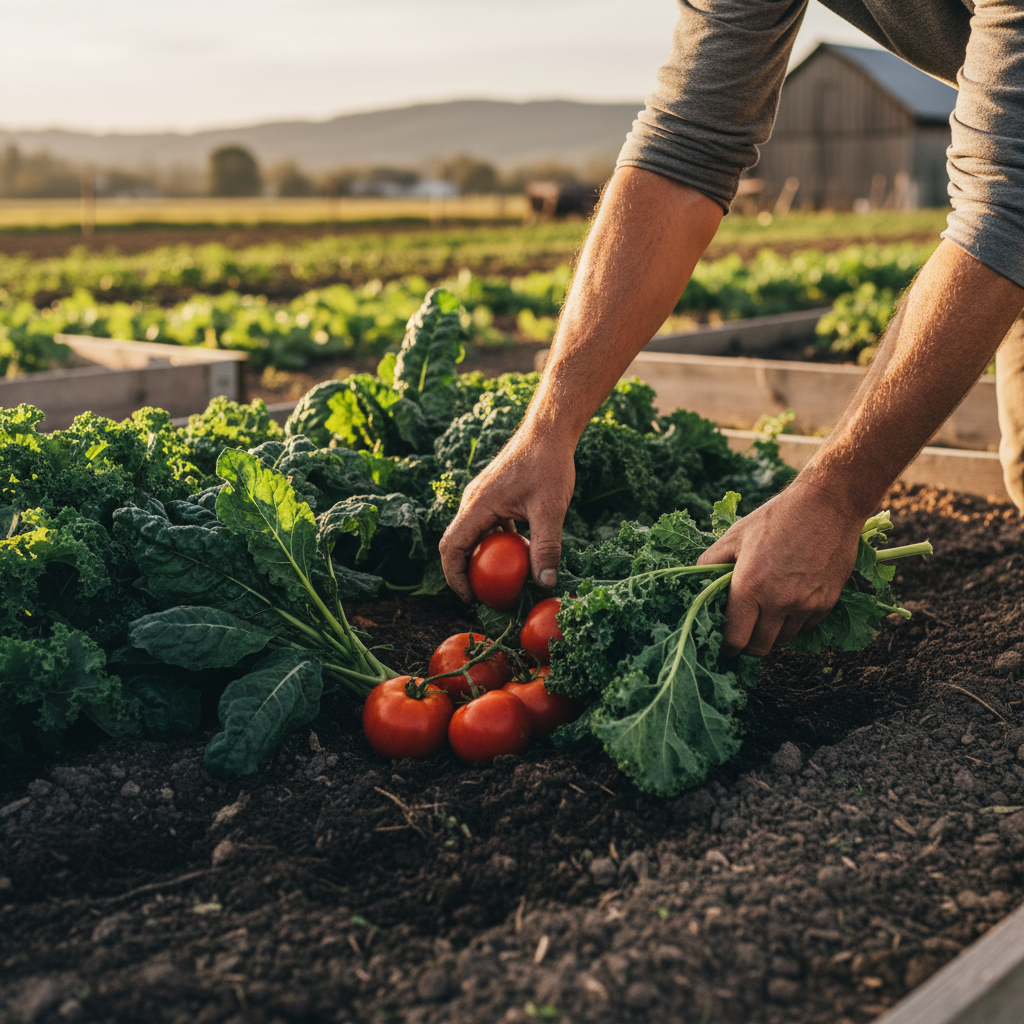
Finally, enjoy the fruits of your labor by harvesting your vegetables. Harvesting times vary depending on the vegetable, so refer to seed packets or plant labels for guidance. Generally, it's best to pick vegetables in the morning when they are at their freshest.
Regular harvesting can encourage plants to produce more. Enjoy fresh produce from your garden and consider preserving any surplus through freezing, canning, or drying.