Myth-Busting: Understanding Common Misconceptions About Organic Farming


Introduction to Organic Farming
Organic farming is often surrounded by a cloud of misconceptions. While it's gaining popularity for its environmental benefits and health advantages, many myths still persist. Understanding the truth behind these misconceptions can help consumers make informed choices.
Myth 1: Organic Farming Uses No Pesticides
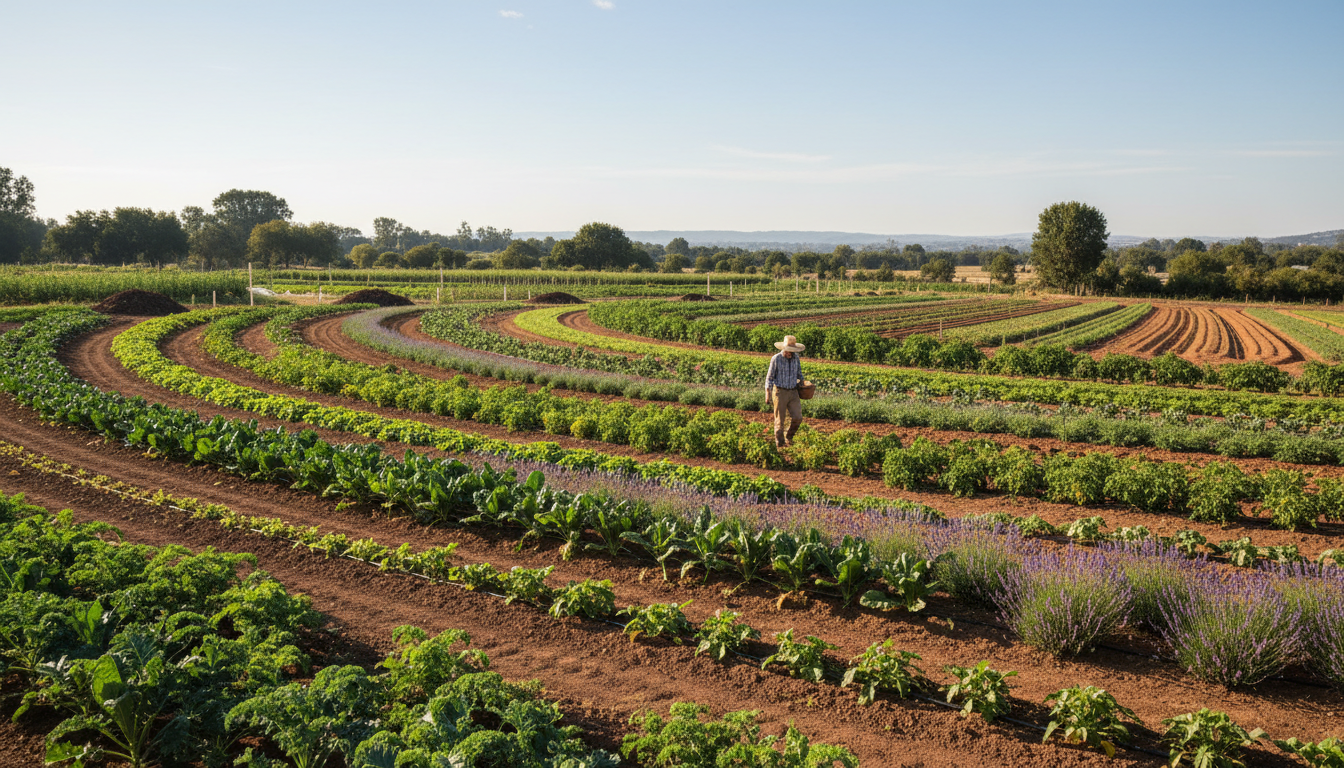
One common belief is that organic farming is completely free of pesticides. In reality, organic farmers do use pesticides, but they are usually derived from natural sources. These natural pesticides are considered less harmful than their synthetic counterparts, but this doesn't mean they're entirely without impact.
Organic farmers rely on a combination of practices such as crop rotation, beneficial insects, and natural pesticides to manage pests. This holistic approach helps maintain soil health and biodiversity.
Myth 2: Organic Farming Is Not Sustainable
Another misconception is that organic farming cannot sustain the growing global population. Critics argue that organic farming yields are lower compared to conventional methods. However, studies suggest that while yields can be lower, organic farming enhances soil health and biodiversity, which are crucial for long-term sustainability.

Furthermore, organic farming methods help mitigate climate change by sequestering carbon in the soil. This approach not only supports environmental health but also ensures food security in the long run.
Myth 3: Organic Foods Are Always Healthier
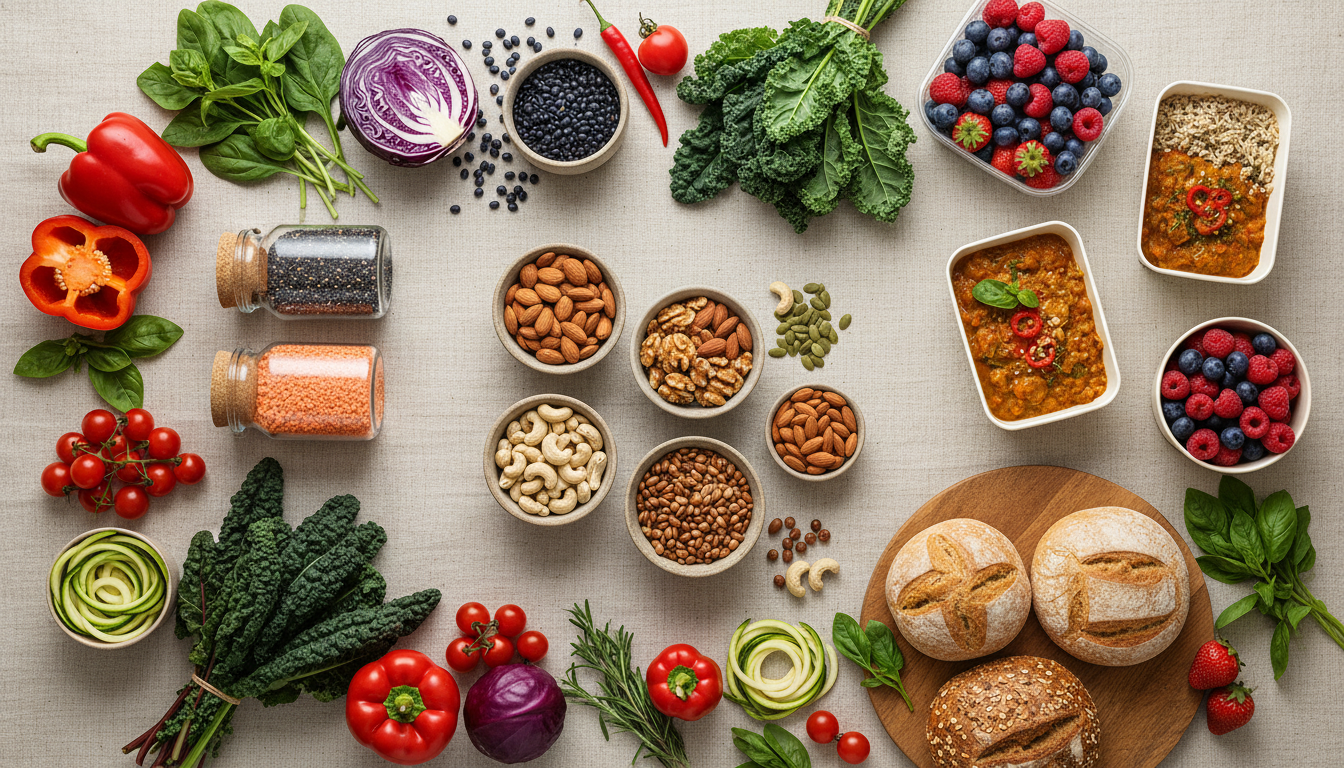
While organic foods are often perceived as healthier, this isn't always the case. Organic produce is free from synthetic pesticides and fertilizers, which can be beneficial. However, nutritional content can vary based on various factors such as soil quality and farming practices.
It's essential to consider that organic foods can still be high in sugars, fats, or calories, just like conventional foods. Therefore, it's crucial to make informed dietary choices based on nutritional information rather than labels alone.
Myth 4: Organic Farming Is Just a Trend
Some people view organic farming as a passing trend or a marketing gimmick. However, organic farming has deep roots and is based on traditional agricultural practices that have been used for centuries. It's a response to modern agricultural challenges and aims to create a more sustainable food system.
The principles of organic farming focus on ecological balance, biodiversity, and soil health, making it a viable and necessary option for the future of agriculture.
Conclusion
Debunking these myths is crucial for understanding the true potential of organic farming. By recognizing the realities behind these misconceptions, consumers can make better choices that support sustainable and healthy food systems. Organic farming is more than just a label; it's a commitment to the planet and future generations.