Myth-Busting Organic Farming: Common Misconceptions Debunked by Sunrise Farm


Introduction to Organic Farming Myths
Organic farming has been gaining popularity, but with its rise comes a host of myths and misconceptions. At Sunrise Farm, we've dedicated ourselves to organic practices and are here to debunk some common misunderstandings.
Myth 1: Organic Farming Uses No Pesticides
One of the most prevalent myths is that organic farming is completely pesticide-free. This is not the case. Organic farmers do use pesticides, but they rely on natural or non-synthetic options. These are often derived from natural substances and are used in conjunction with other sustainable farming practices to minimize their necessity.
Organic pesticides are typically less harmful to the environment than synthetic ones. Farmers at Sunrise Farm employ integrated pest management to keep pests at bay, ensuring a balanced ecosystem.
Myth 2: Organic Farming Is Inefficient
Another misconception is that organic farming cannot produce enough food to meet global demands. In reality, organic farming can be highly efficient, especially when it focuses on sustainable practices like crop rotation and biodiversity.

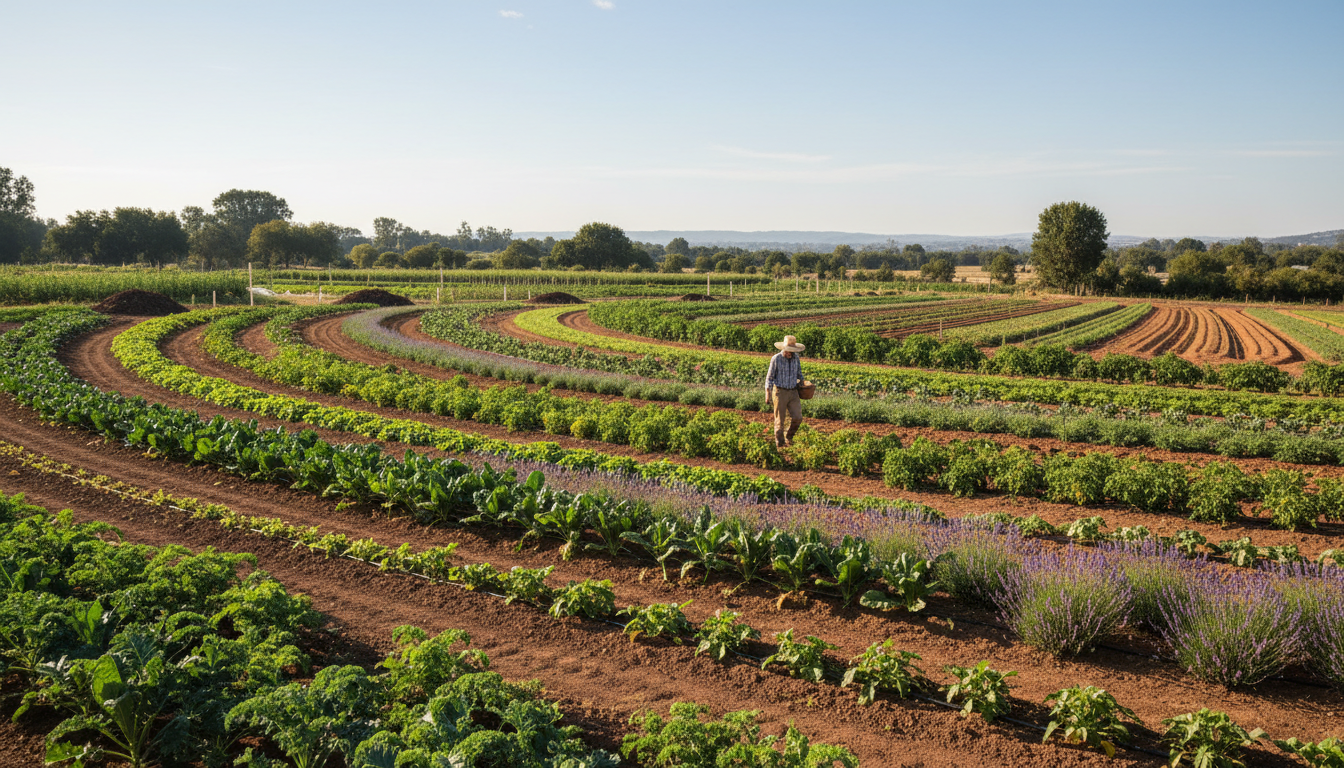
Sunrise Farm utilizes a diversified approach, growing a variety of crops that complement each other, helping to maintain soil fertility and reduce pest outbreaks.
Myth 3: Organic Produce Is Always More Expensive
While organic products can sometimes be pricier, this is not always the case. The cost difference often depends on factors like location, availability, and demand. Sunrise Farm strives to offer competitive pricing by reducing overhead costs and maximizing farm efficiency.
By buying locally and seasonally, consumers can often find organic produce that fits their budget, supporting both their health and the environment.

Myth 4: Organic Farming Is Just a Trend
Many believe that organic farming is simply a passing fad. However, this sustainable practice has deep roots and is continually evolving. At Sunrise Farm, we see organic farming as a vital part of the future of agriculture, focusing on long-term soil health, biodiversity, and environmental protection.
As awareness grows about the impacts of conventional farming, more people are turning to organic methods as a viable solution for sustainable food production.
Conclusion: Embracing the Truth About Organic Farming
Dispelling myths is essential for understanding the true value of organic farming. Sunrise Farm is committed to educating the public and promoting practices that benefit the planet and its inhabitants. By embracing organic methods, we contribute to a healthier and more sustainable future.