Seasonal Farming in Lombok: What to Plant and When


Lombok, an island in Indonesia, offers a unique climate and fertile soil that are ideal for various types of farming. Understanding the seasonal changes and knowing what to plant and when can significantly enhance agricultural productivity. This guide will help you navigate the best practices for seasonal farming in Lombok.
Understanding Lombok's Climate
Lombok experiences a tropical climate with two main seasons: the wet season and the dry season. The wet season typically spans from November to March, while the dry season runs from April to October. Each season presents distinct opportunities and challenges for farmers.

The Wet Season: November to March
During the wet season, the increased rainfall provides the perfect conditions for planting water-intensive crops. Farmers can take advantage of the abundant water supply to grow a variety of crops that thrive in moist environments.
- Rice: A staple crop in Lombok, rice is ideally planted during the wet season to take advantage of the ample water.
- Corn: Another crop that benefits from the wet conditions, corn can be intercropped with rice to optimize space and resources.
- Vegetables: Leafy greens like spinach and kale flourish during this time, taking advantage of the moist soil.
The Dry Season: April to October
The dry season in Lombok is characterized by reduced rainfall and higher temperatures. This period requires careful water management and the selection of drought-resistant crops.
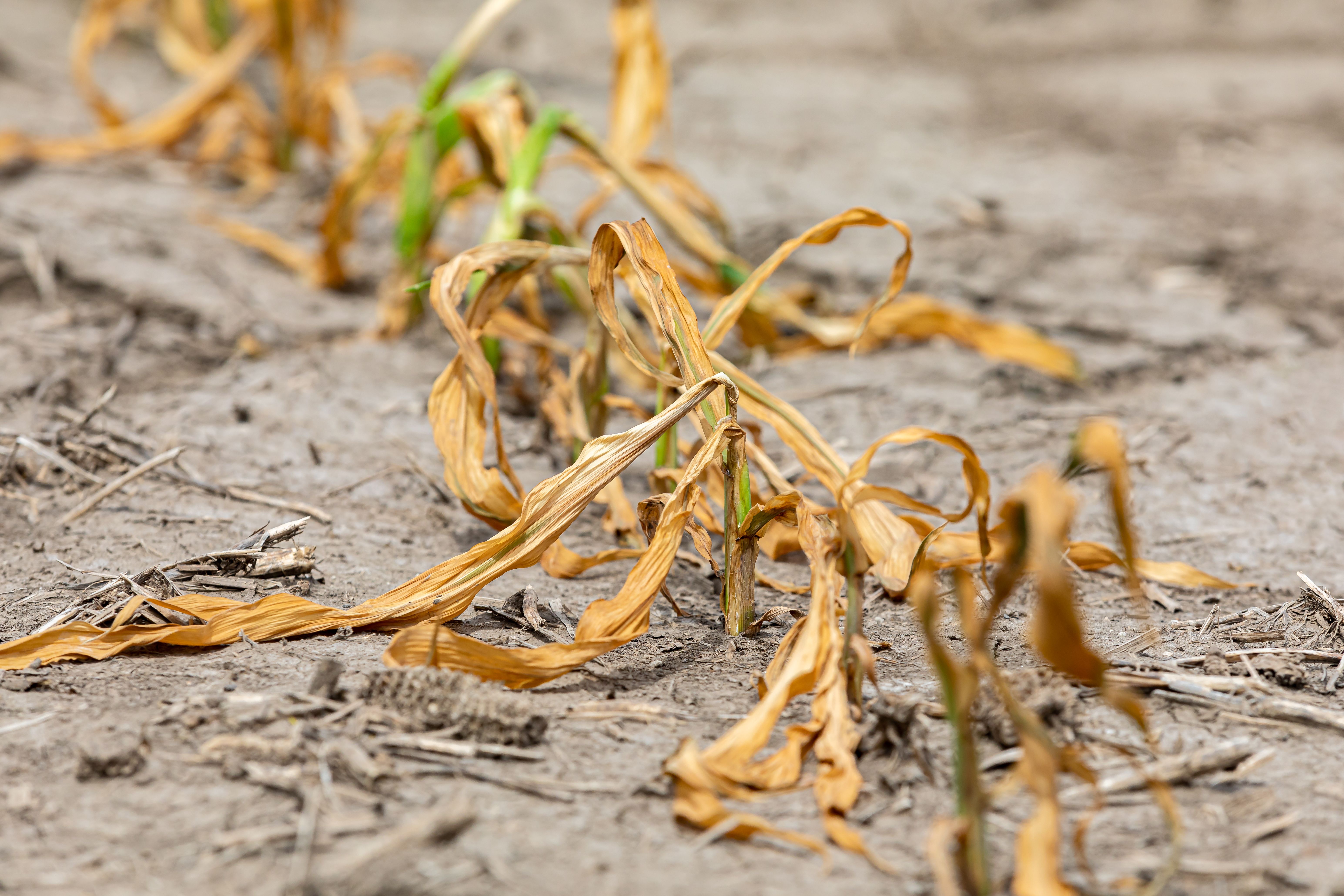
Optimal Crops for the Dry Season
During the dry months, farmers often focus on crops that can withstand the heat and limited water availability. Here are some of the best options:
- Chili Peppers: Known for their ability to thrive in hot conditions, chili peppers are a popular choice during the dry season.
- Peanuts: These legumes are well-suited for dry climates and can enrich the soil with nitrogen.
- Sweet Potatoes: Their deep roots allow them to access water from deeper soil layers, making them ideal for dry periods.
Integrated Farming Practices
Many farmers in Lombok utilize integrated farming practices to maximize productivity and sustainability. By combining crops and livestock, they can create a balanced ecosystem that supports diverse agricultural activities.
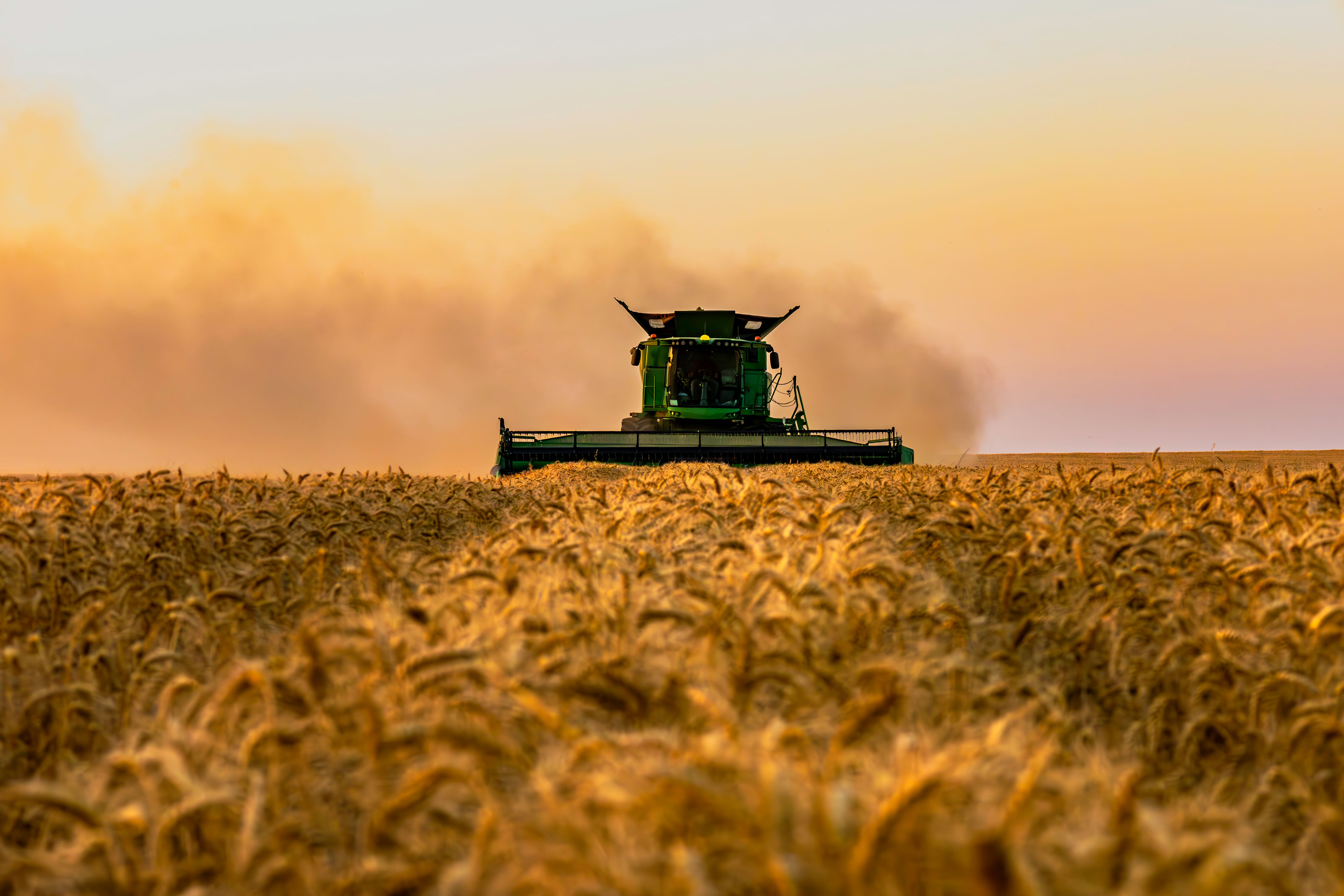
Benefits of Crop Rotation
Crop rotation is a sustainable practice that helps maintain soil fertility and reduce pests. By alternating crops each season, farmers can break pest cycles and improve soil health. For instance, following rice with legumes can naturally replenish soil nutrients.
By understanding Lombok's climate and implementing strategic planting schedules, farmers can enhance their yields and contribute to the island's agricultural success. Whether opting for water-loving crops in the wet season or drought-resistant varieties in the dry months, the key lies in adapting to the environment and making informed decisions.