Seasonal Planting Guide for Tropical Climates


Understanding Tropical Climates
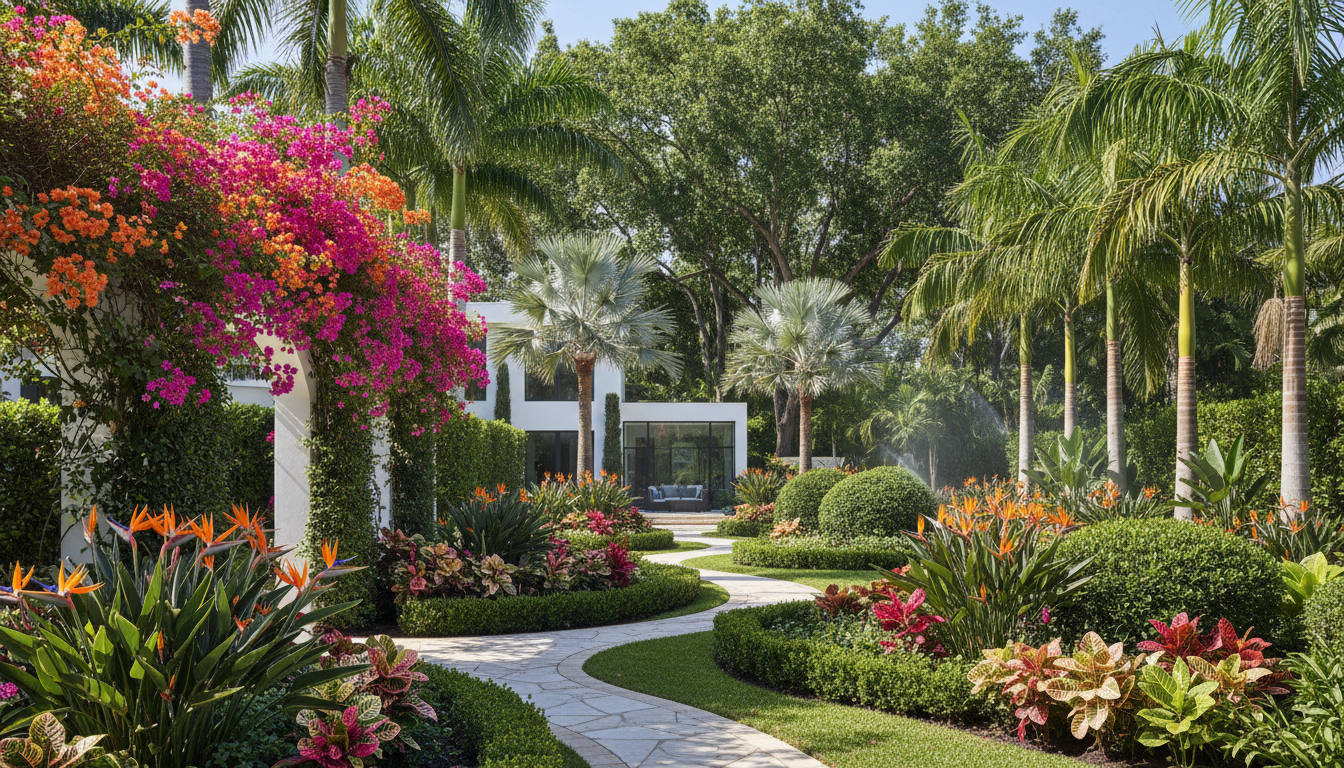
Tropical climates are characterized by their warm temperatures and high humidity, offering an ideal environment for a wide variety of plants. These regions typically experience two main seasons: the wet season and the dry season. Understanding these seasons is crucial for effective planting.
The wet season brings heavy rains, making it perfect for growing plants that thrive in moist conditions. Conversely, the dry season requires careful water management to ensure plant health. Recognizing these patterns helps gardeners optimize their planting schedules.
Best Plants for the Wet Season
During the wet season, focus on planting species that enjoy abundant water. Here are some ideal choices:
- Ginger: Known for its aromatic roots, ginger thrives in the humid conditions of the wet season.
- Taro: This starchy root vegetable is a staple in many tropical regions and grows well in wet soil.
- Banana: With their need for ample moisture, bananas flourish during this time.
Make sure to provide adequate drainage to prevent waterlogging, which can harm plant roots.
Dry Season Planting Tips
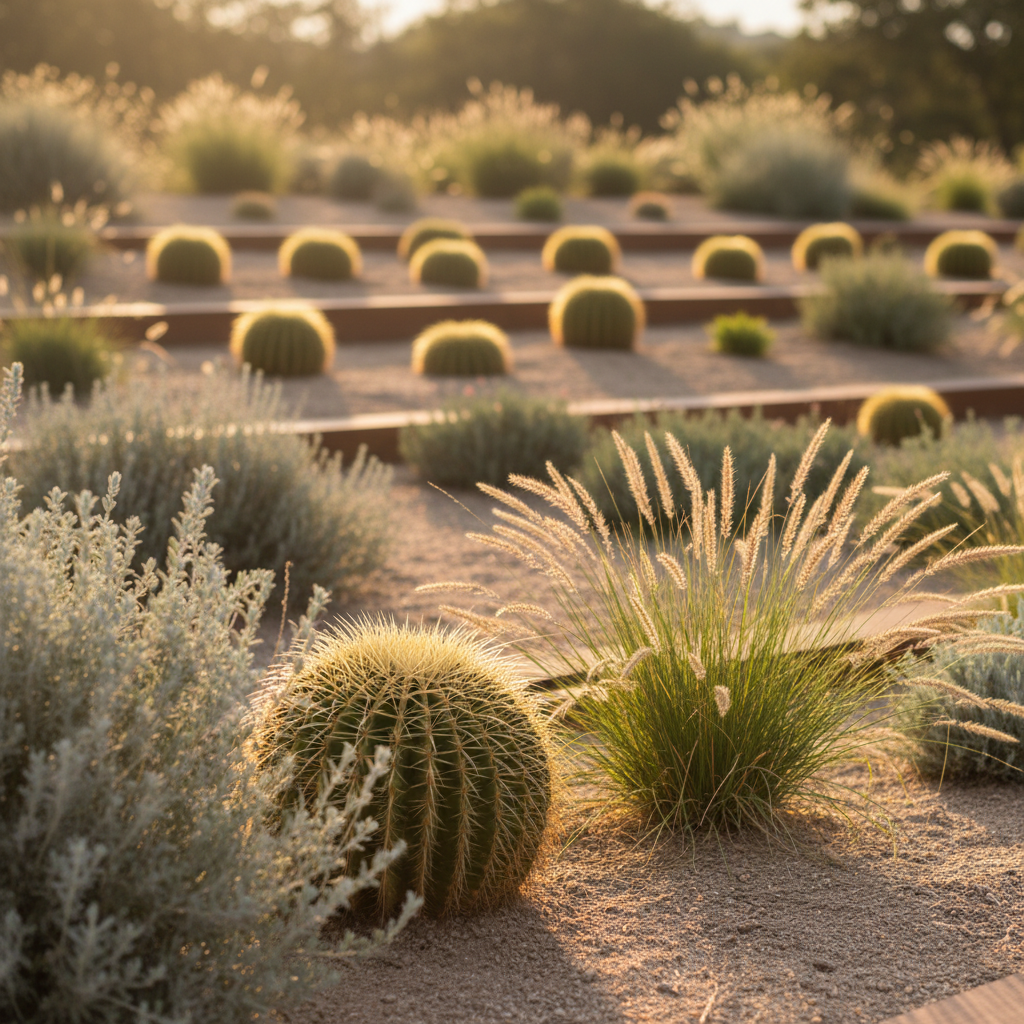
As the dry season approaches, shift your focus to drought-resistant plants. These species can withstand reduced water availability, making them perfect for arid conditions.
Consider planting:
- Succulents: These resilient plants store water in their leaves, making them ideal for dry climates.
- Papaya: This fruit tree requires less water once established, producing delicious, nutrient-rich fruits.
- Frangipani: Known for its beautiful flowers, frangipani can tolerate dry conditions remarkably well.
Soil Preparation and Maintenance
Proper soil preparation is essential for successful planting in tropical climates. Start by enriching the soil with organic matter like compost or manure to improve fertility and moisture retention.
Regular mulching is also beneficial, as it helps retain soil moisture and suppresses weed growth. Use natural mulches such as straw, leaves, or wood chips for the best results.
Pest and Disease Management
The warm, humid conditions of tropical climates can attract a variety of pests and diseases. Implementing integrated pest management strategies is crucial to protect your plants.
Consider using:
- Natural Predators: Encourage beneficial insects like ladybugs and lacewings to control pest populations.
- Neem Oil: This natural pesticide can deter many common pests without harming beneficial insects.
- Crop Rotation: Regularly changing planting locations helps prevent the buildup of soil-borne diseases.
Conclusion
Successfully gardening in tropical climates requires a deep understanding of seasonal changes and plant needs. By selecting appropriate species for each season and maintaining healthy soil, you can enjoy a lush, productive garden year-round.
Embrace the unique challenges and opportunities that tropical climates offer, and watch your garden flourish under the sun's warm embrace.