Seasonal Planting Tips for a Thriving Farm in Indonesia's Climate


Understanding Indonesia's Climate
Indonesia's tropical climate is characterized by high humidity and abundant rainfall, making it ideal for a variety of crops. However, understanding the nuances of its wet and dry seasons is crucial for successful farming. The wet season typically spans from November to March, while the dry season runs from April to October. Knowing when to plant can make the difference between a thriving harvest and a disappointing yield.

Choosing the Right Crops
Different crops have varying requirements for water and sunlight. During the wet season, consider planting rice, taro, or bananas, which thrive in moist conditions. Conversely, the dry season is perfect for crops like corn, peanuts, and soybeans. By aligning your planting schedule with the seasons, you can maximize the productivity of your farm.
Wet Season Planting
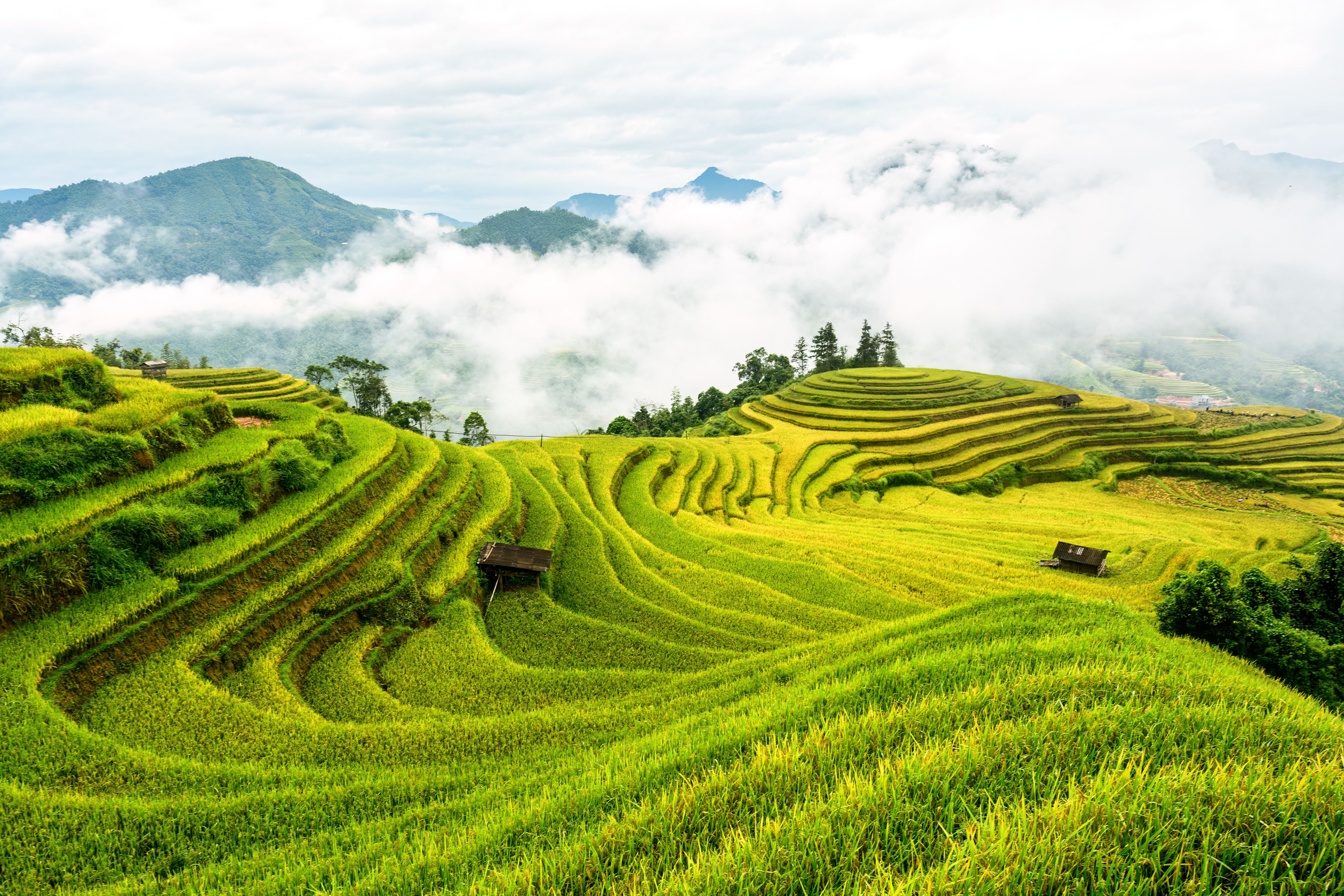
During the wet season, leverage the abundant rainfall to cultivate water-intensive crops. Rice paddies, for example, are a staple in Indonesian agriculture and require significant water. Additionally, root vegetables like taro benefit from the moist soil conditions.
Dry Season Strategies
In contrast, the dry season is ideal for crops that are less dependent on water. Corn is a versatile option that can withstand drier conditions and still produce a healthy yield. Consider implementing irrigation techniques to support these crops during particularly arid months.
Soil Preparation Techniques
Proper soil preparation is essential for a successful planting season. Begin by testing the soil's pH levels and nutrient content. Based on these results, amend the soil with organic matter or fertilizers as needed. This step ensures that the soil provides adequate nutrition to the crops throughout their growth cycle.

Composting and Mulching
Incorporate composting and mulching into your soil preparation routine. Compost enriches the soil with essential nutrients, while mulch helps retain moisture and regulate temperature. Both practices foster a healthy growing environment for your plants.
Sustainable Farming Practices
Embracing sustainable farming practices not only benefits the environment but also enhances crop resilience. Techniques like crop rotation and intercropping can reduce pest infestations and improve soil health. Additionally, using organic fertilizers minimizes chemical runoff and preserves the natural ecosystem.
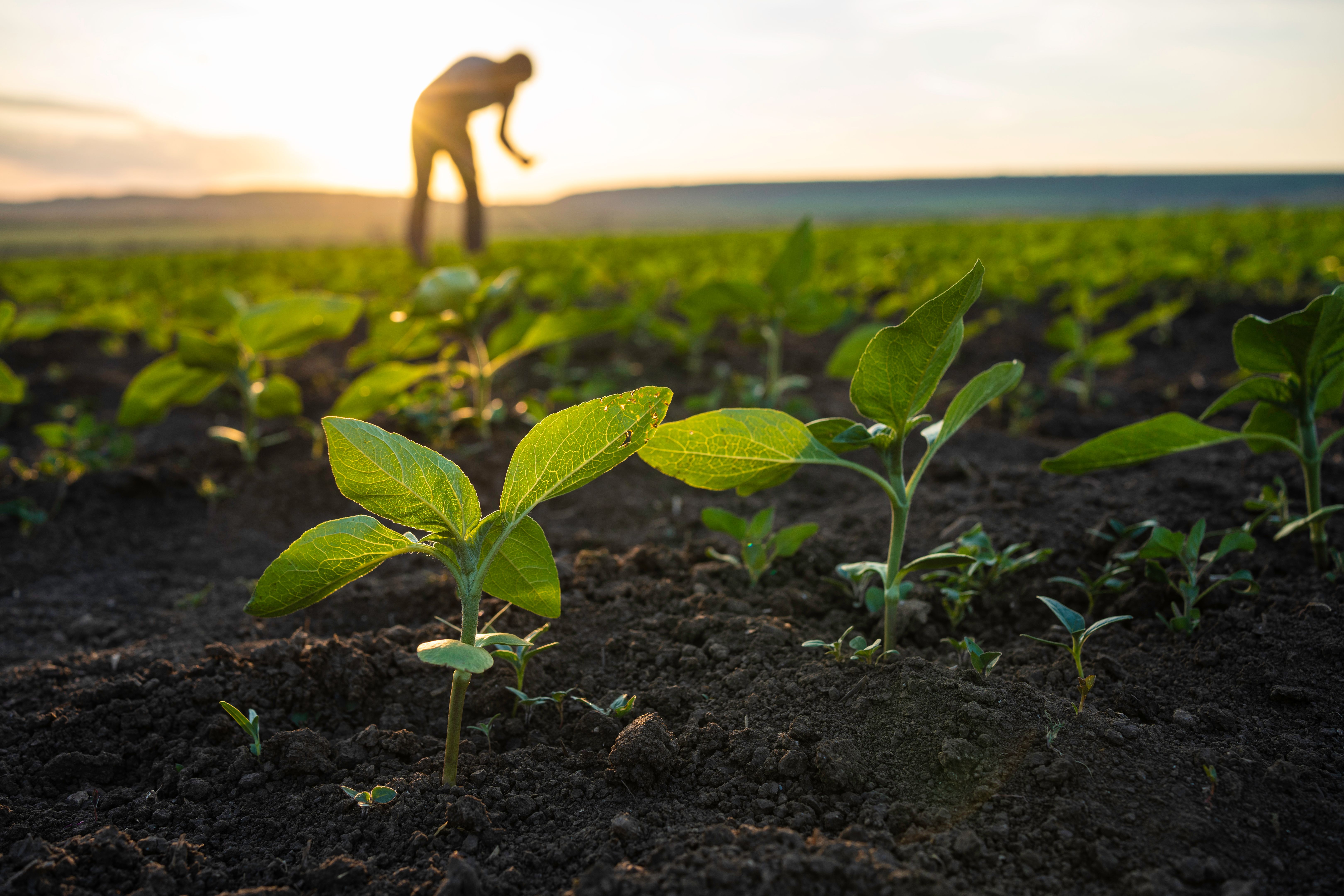
By understanding and adapting to Indonesia's unique climate, farmers can optimize their agricultural practices and ensure a prosperous harvest year-round. With careful planning, soil management, and sustainable practices, your farm can thrive in this tropical paradise.