Seasonal Planting Tips for Farmers in Indonesia


Understanding Indonesia's Climate
Indonesia's tropical climate provides farmers with unique opportunities and challenges. With its high humidity and consistent temperatures, the country experiences two main seasons: the wet season and the dry season. Understanding these seasons is crucial for successful farming.

The Wet Season
The wet season typically runs from November to March. During this time, heavy rainfall can be both a blessing and a challenge. Farmers should focus on crops that thrive in moist conditions, such as rice, which is a staple in Indonesian agriculture. It's essential to ensure proper drainage systems to prevent waterlogging and crop damage.
The Dry Season
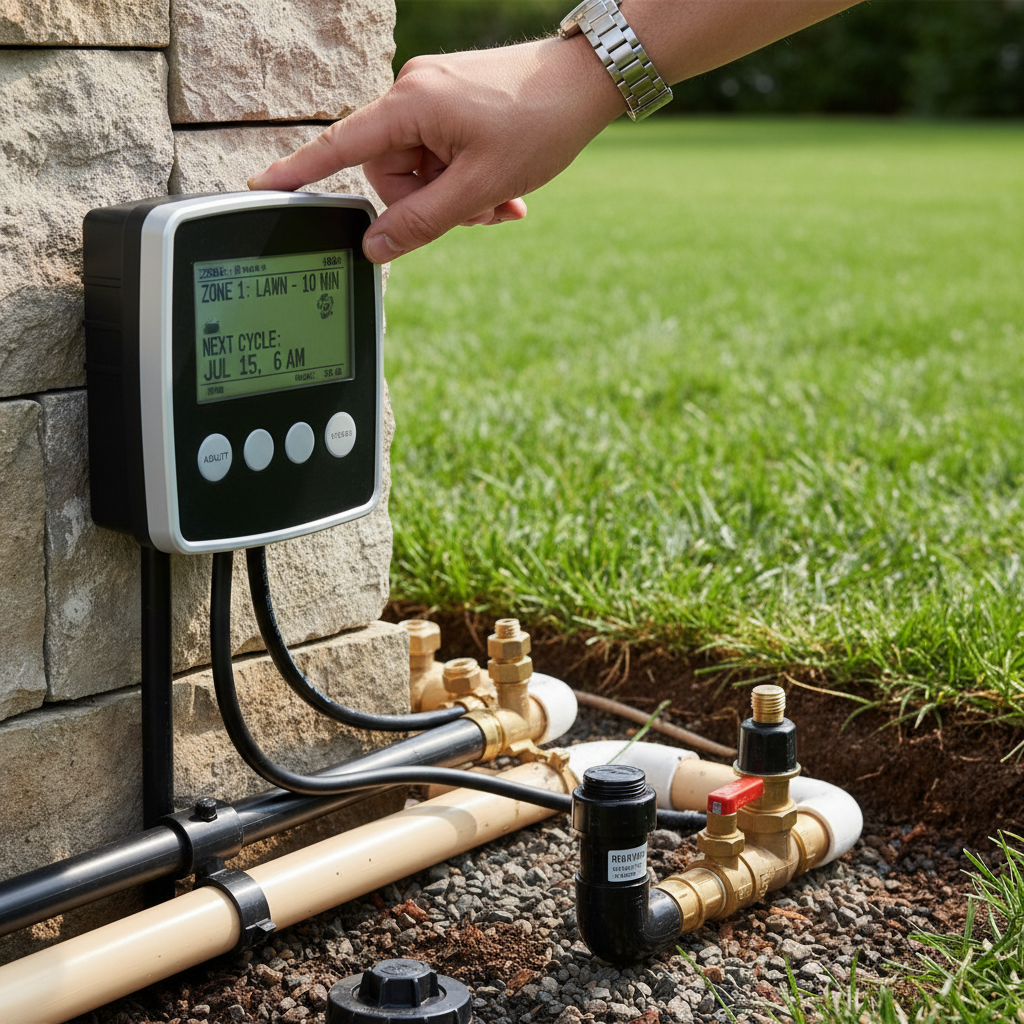
From April to October, the dry season presents opportunities for growing crops that require less water, like corn and soybeans. Irrigation management becomes crucial during this period. Farmers should consider implementing drip irrigation systems to conserve water and ensure their crops receive adequate hydration.
Choosing the Right Crops
Selecting the appropriate crops for each season is critical. During the wet season, focus on water-tolerant crops. Conversely, the dry season is ideal for drought-resistant varieties. Here are some crop suggestions for each season:
- Wet Season: Rice, taro, sugarcane
- Dry Season: Corn, soybeans, peanuts
Soil Management Techniques
Proper soil management can significantly impact crop yield. During the wet season, consider using raised beds to improve drainage. In the dry season, mulching can help retain soil moisture and reduce evaporation.
Fertilization Tips
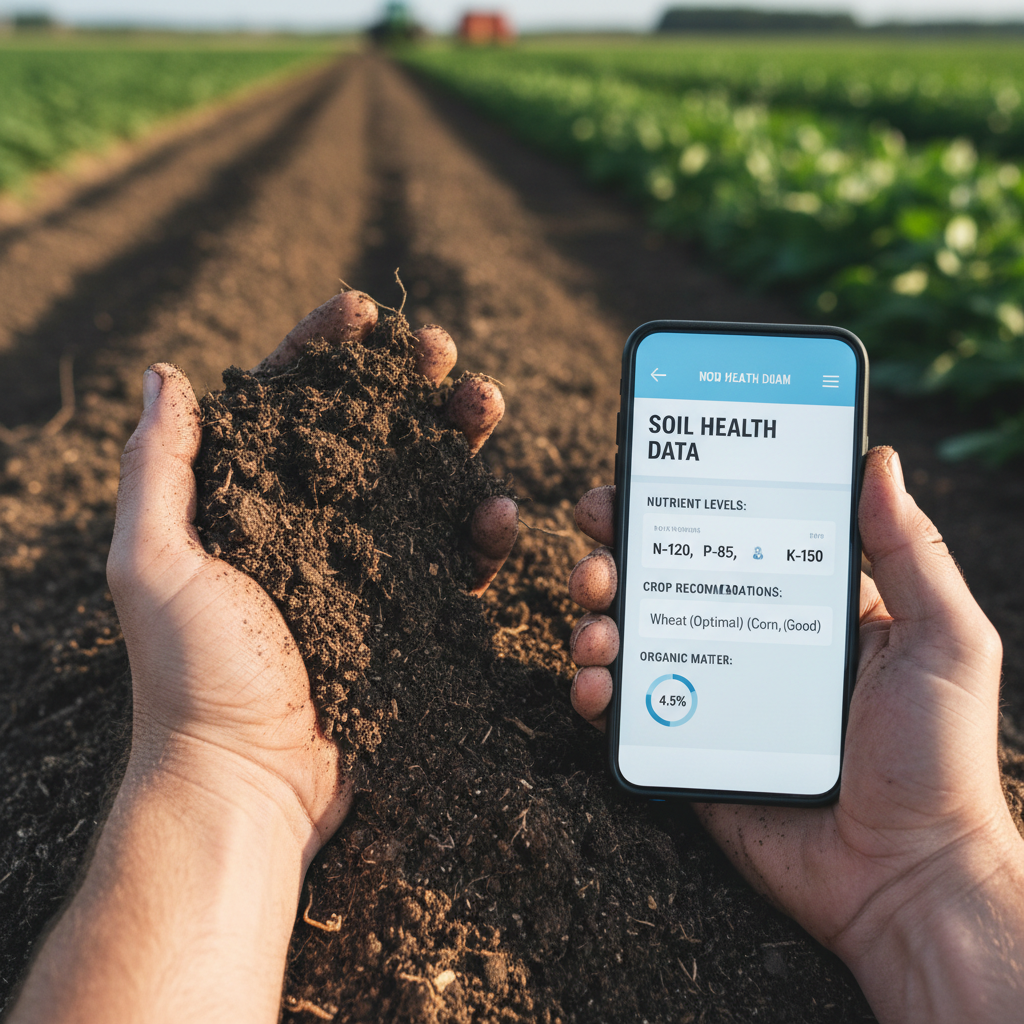
Fertilization is crucial in both seasons. In the wet season, use slow-release fertilizers to prevent nutrient leaching. During the dry season, focus on organic fertilizers to maintain soil health and fertility.
Pest and Disease Control
Pest and disease management is a year-round concern. The wet season's humidity can increase the risk of fungal infections. Employ natural pest control methods, and consider planting pest-resistant crop varieties. In the dry season, monitor crops closely for signs of stress and take preventive measures.

Utilizing Technology
Modern technology can aid farmers in optimizing their planting strategies. Weather forecasting tools can help anticipate seasonal changes, while mobile apps provide valuable insights into crop management and market trends.
Community and Knowledge Sharing
Farmers can benefit greatly from sharing knowledge and experiences. Participating in local farming cooperatives or attending agricultural workshops can provide valuable insights and support. Collaboration fosters innovation and resilience among farming communities.