Sustainable Farming Techniques: Lessons from Sunrise Farm Lombok


Introduction to Sustainable Farming
Sustainable farming is no longer just a trend; it’s a necessary evolution in agriculture. As the global population grows, the demand for food increases, putting pressure on traditional farming methods. Sunrise Farm in Lombok offers an inspiring example of how sustainable farming techniques can be implemented successfully.
Embracing Organic Practices
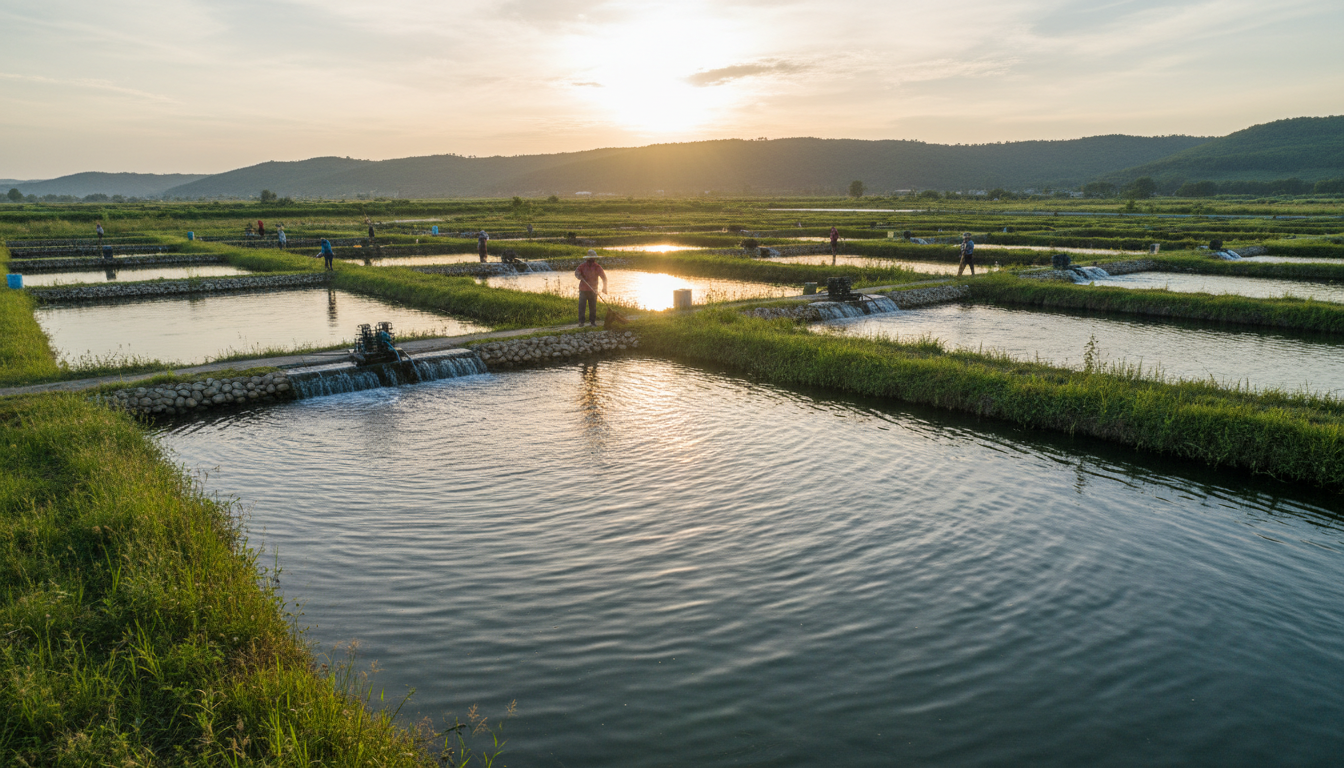
Sunrise Farm has embraced organic farming by eliminating chemical fertilizers and pesticides. Instead, they use natural alternatives like compost and biological pest controls. This approach not only protects the environment but also enhances soil fertility and biodiversity.
Organic farming at Sunrise Farm involves a cycle of planting cover crops, which improve soil health and prevent erosion. This method ensures that the land remains productive and reduces the need for artificial inputs.
Benefits of Organic Farming
The benefits of organic farming are numerous. It leads to healthier crops, supports local ecosystems, and promotes a sustainable environment. Additionally, organic produce often commands higher market prices, benefiting farmers economically.

Water Conservation Techniques
Water conservation is critical in sustainable farming. Sunrise Farm has implemented a range of water-saving techniques, including rainwater harvesting and drip irrigation. These methods ensure that water is used efficiently, reducing waste and preserving this precious resource.
Drip irrigation, in particular, delivers water directly to plant roots, minimizing evaporation and runoff. This technique is especially beneficial in areas with limited water availability.
Impact on Crop Yield
By conserving water, Sunrise Farm has managed to maintain high crop yields even during dry seasons. This stability is crucial for ensuring food security and supporting the local community.

Integrating Agroforestry
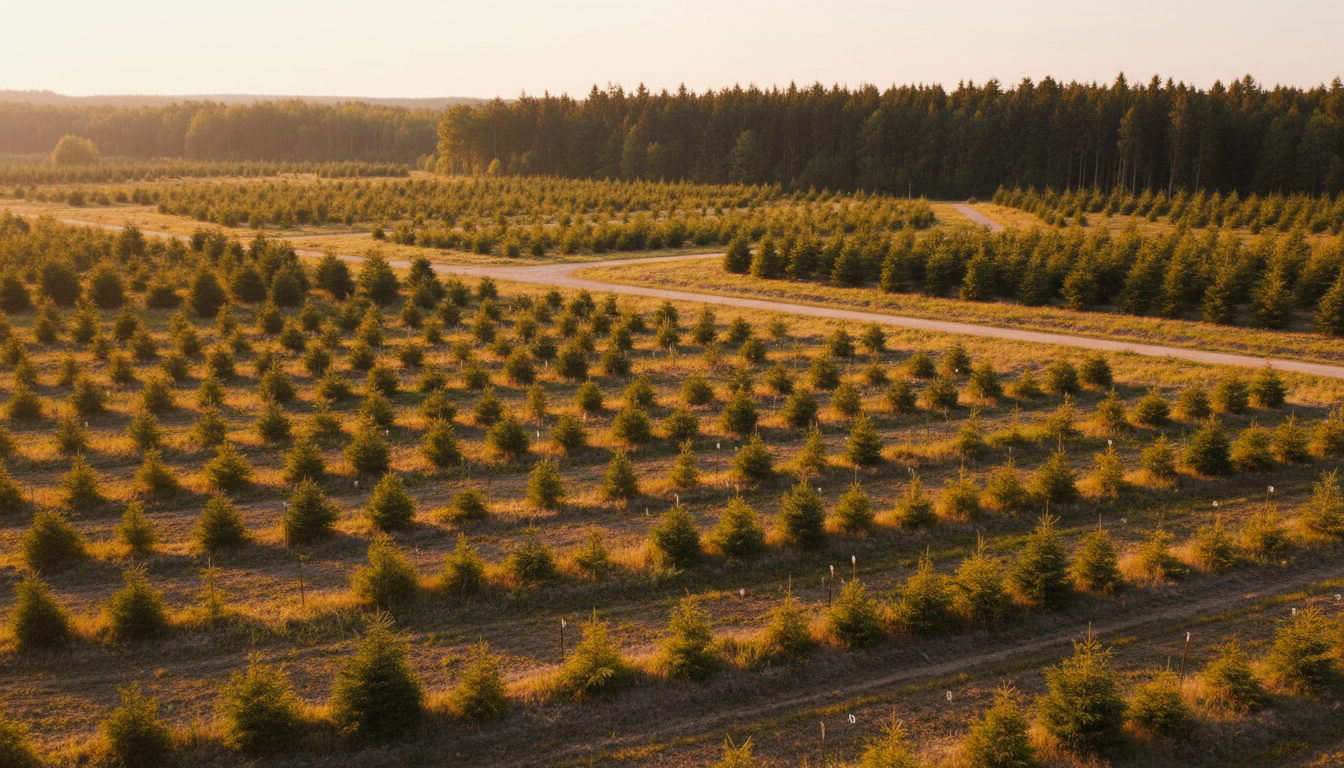
Agroforestry is another key practice at Sunrise Farm. By integrating trees with crops and livestock, they create a diverse and resilient farming system. Trees provide shade, reduce wind erosion, and improve soil fertility, all of which contribute to a healthier ecosystem.
This method also supports biodiversity by offering habitats for various species, leading to a more balanced and sustainable farm environment.
Economic and Environmental Benefits
Agroforestry not only enhances environmental resilience but also offers economic benefits. It provides multiple income streams through the production of timber, fruits, and other tree-based products.
Community Involvement and Education
Sunrise Farm is committed to community involvement and education. They regularly host workshops and training sessions to share sustainable farming techniques with local farmers. This knowledge transfer is crucial for promoting widespread adoption of eco-friendly practices.
By engaging with the community, Sunrise Farm helps create a network of farmers who are committed to sustainable agriculture, ensuring long-term success and environmental stewardship.
The Future of Sustainable Farming
As more farms adopt similar practices, the future of sustainable farming looks promising. Sunrise Farm in Lombok serves as a beacon of hope, demonstrating that sustainable techniques can lead to productive, profitable, and environmentally friendly agriculture.