The Benefits of Organic Farming for the Indonesian Community


Introduction to Organic Farming
Organic farming is gaining popularity worldwide, and Indonesia is no exception. This agricultural method emphasizes natural processes, avoiding synthetic chemicals, and prioritizes sustainability. For the Indonesian community, organic farming offers numerous benefits that extend beyond the environment.
Environmental Benefits
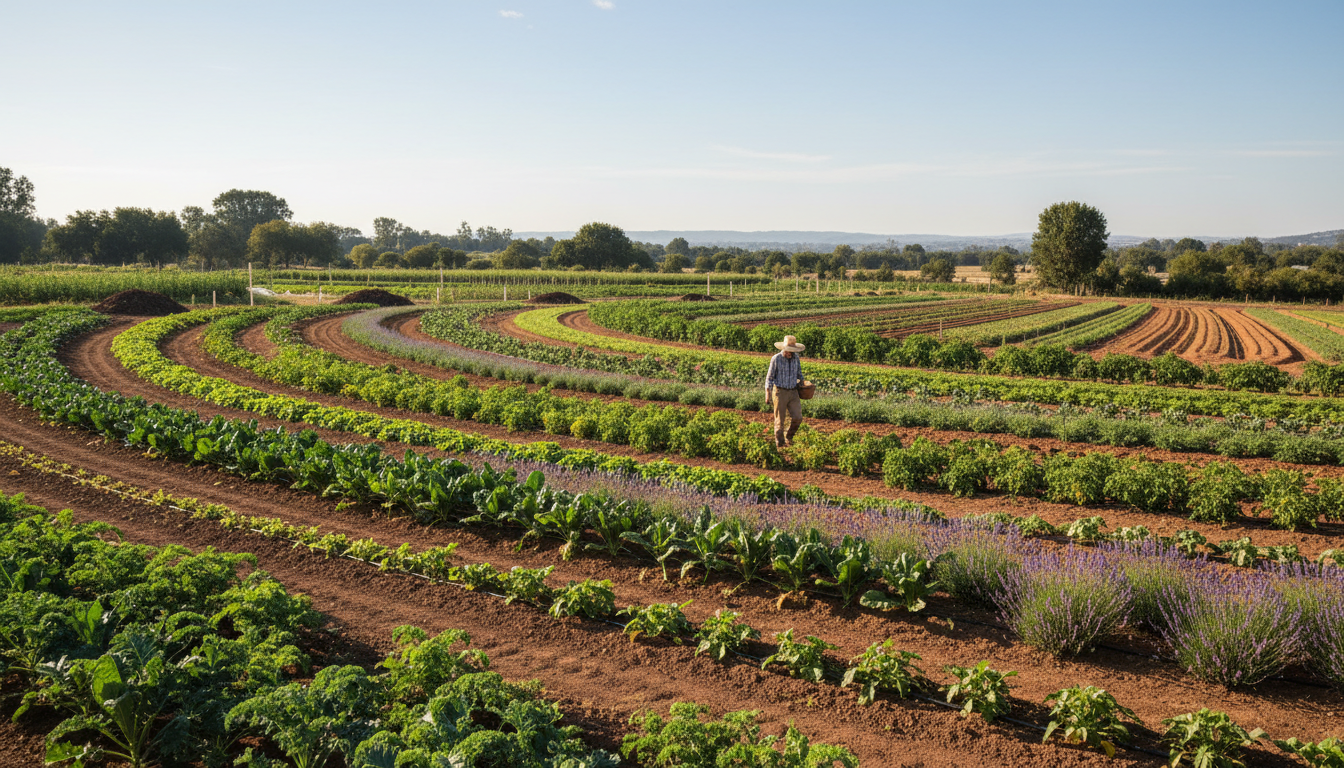
One of the most significant advantages of organic farming is its positive impact on the environment. By eliminating the use of synthetic pesticides and fertilizers, organic farming helps preserve biodiversity and enhances soil health. This is crucial for Indonesia, a country rich in diverse ecosystems and unique species.
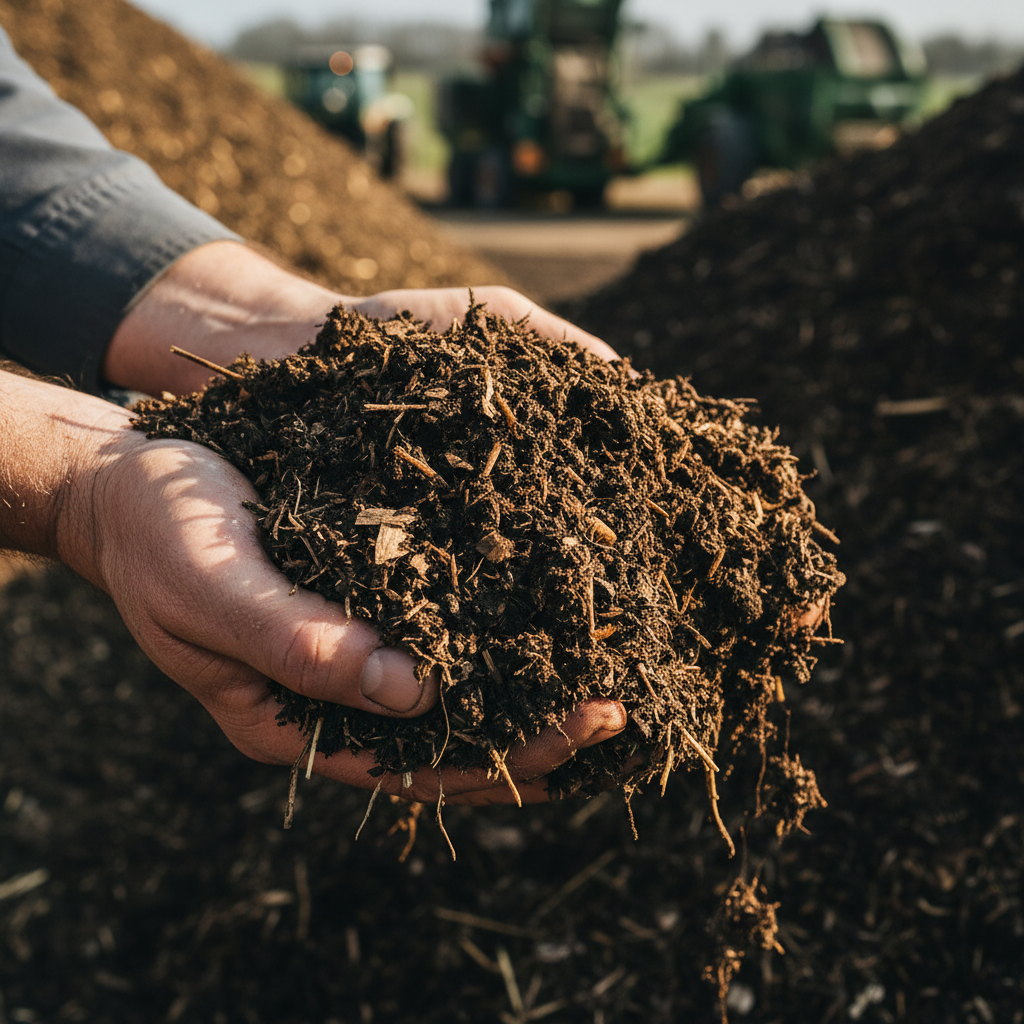
Organic farming practices also promote water conservation. Techniques like crop rotation and the use of organic compost improve soil structure, reducing water runoff and ensuring that water resources are used efficiently.
Economic Opportunities
Organic farming can open up new economic opportunities for Indonesian farmers. As global demand for organic products rises, farmers can tap into premium markets, often fetching higher prices for their produce. This can lead to improved livelihoods and economic growth in rural communities.
Additionally, the organic farming industry can create jobs in various sectors, from farming and production to marketing and distribution, contributing to the local economy's diversification.
Health Benefits
For Indonesian consumers, organic farming offers significant health benefits. Organic produce is free from harmful chemicals, reducing the risk of exposure to pesticides and other toxins. This can lead to better health outcomes and a reduced burden on the healthcare system.

Community and Social Impact
Organic farming fosters a sense of community and collaboration. Farmers often share knowledge and resources, strengthening social ties and empowering local communities. This cooperative spirit can lead to more resilient communities capable of facing economic and environmental challenges.
Moreover, organic farming encourages cultural preservation by promoting traditional farming practices and local knowledge, which have been passed down through generations in many Indonesian communities.

Challenges and Future Prospects
Despite its benefits, organic farming in Indonesia faces challenges such as limited access to resources and knowledge. However, with government support and international partnerships, these barriers can be overcome, paving the way for a more sustainable agricultural future.
Looking ahead, the expansion of organic farming in Indonesia holds great promise. By embracing this sustainable approach, the Indonesian community can enjoy environmental, economic, and health benefits while contributing to a more sustainable global food system.