The Role of Farms in Indonesia's Local Community and Economy


The Importance of Farms in Indonesia
Farms play a crucial role in Indonesia, a nation renowned for its rich agricultural landscape. With over 17,000 islands, the country's diverse climate and fertile soil make it an ideal location for various agricultural activities. These farms are not just the backbone of the local economy; they are also vital to the community's cultural and social fabric.
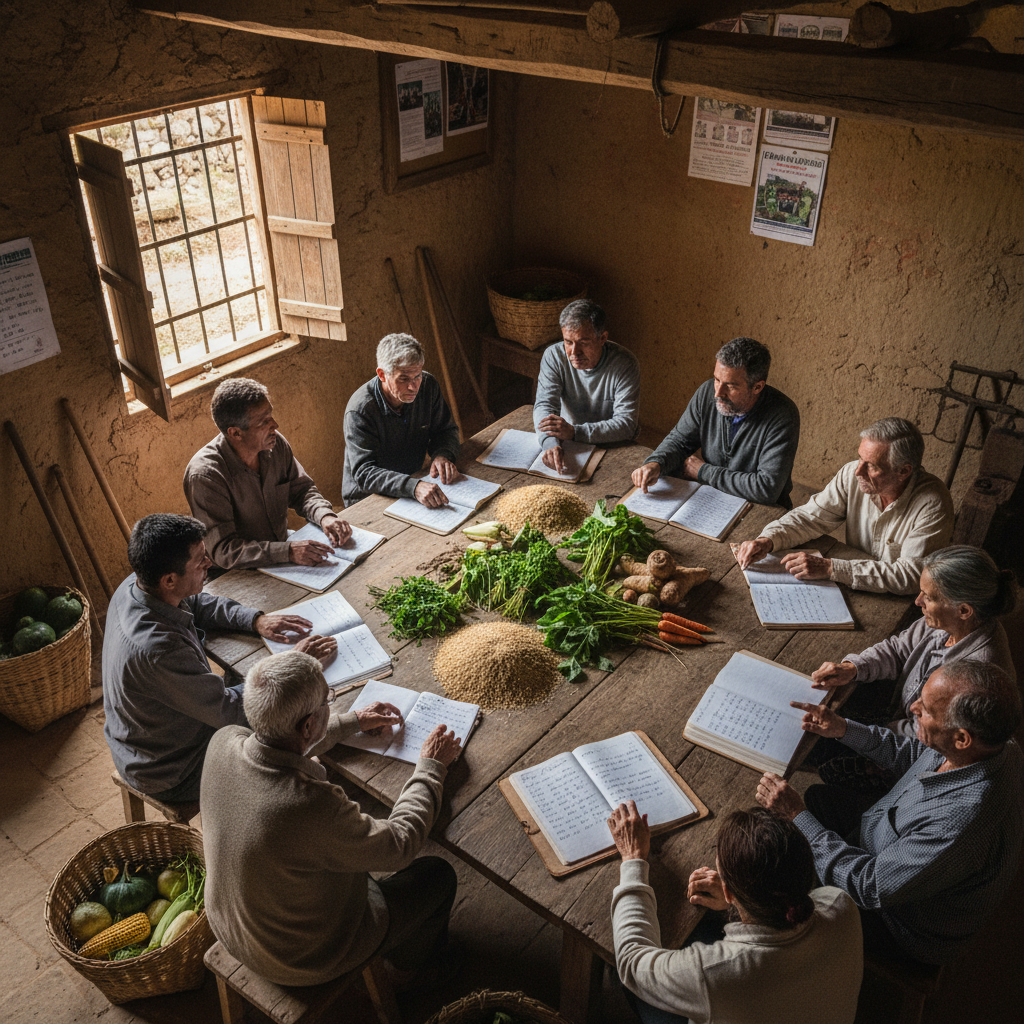
Indonesia's agriculture sector contributes significantly to its GDP, providing employment to millions of people. Smallholder farmers dominate the sector, producing a wide range of crops like rice, palm oil, coffee, and spices. This diversity not only supports the country's food security but also positions Indonesia as a key player in global agricultural markets.
Community Impact
Farms in Indonesia are not just economic entities; they are integral to the local community. They provide livelihoods for families, creating a network of interdependence that strengthens social ties. The farming community often shares resources, labor, and knowledge, fostering a cooperative spirit that is essential for rural development.
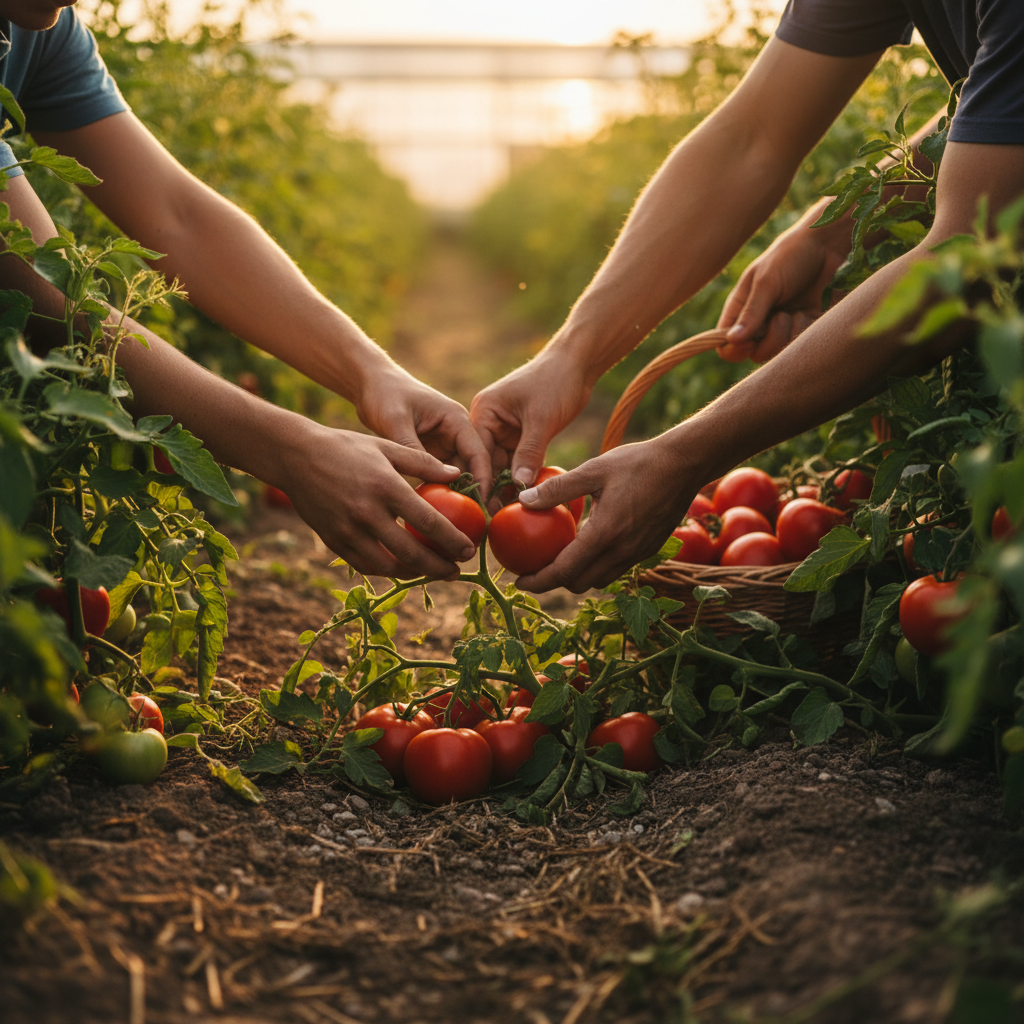
Moreover, farms contribute to local culture and traditions. Agricultural festivals and rituals are common, reflecting the deep connection between farming and cultural identity. These celebrations not only preserve cultural heritage but also promote tourism, bringing additional revenue to rural areas.
Economic Contributions
The economic impact of farms extends beyond direct employment. The agricultural sector supports numerous ancillary industries such as food processing, transportation, and retail, creating a ripple effect that stimulates economic growth. Local markets thrive on farm-produced goods, supporting small businesses and contributing to regional economic stability.
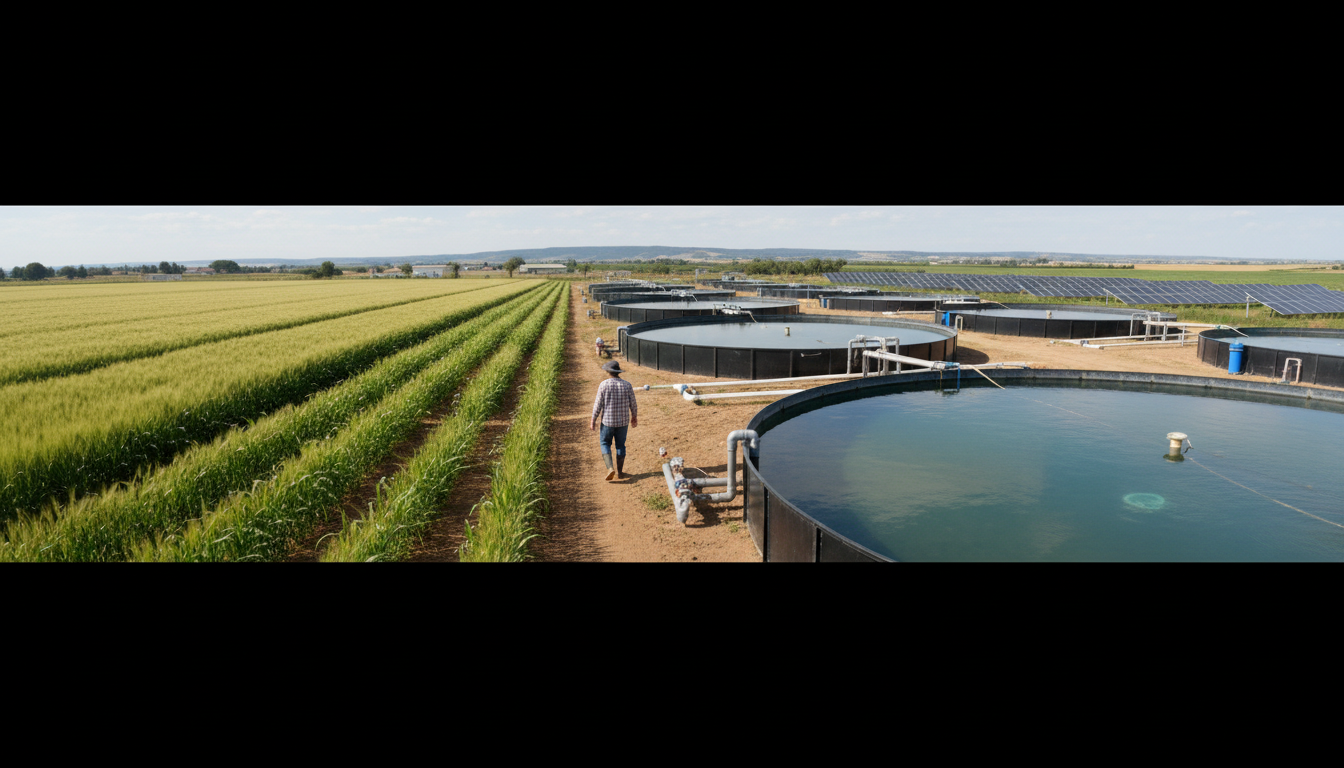
Furthermore, Indonesia's strategic focus on sustainable farming practices is proving beneficial. By investing in eco-friendly technologies and methods, the country is not only improving crop yields but also protecting natural resources. This approach helps mitigate the effects of climate change, ensuring long-term agricultural productivity.
Challenges and Opportunities
Despite their importance, Indonesian farms face several challenges, including climate change, land degradation, and limited access to modern technology. However, these challenges also present opportunities for innovation. The adoption of smart agriculture and digital tools can revolutionize farming methods, enhancing efficiency and productivity.
To support this transformation, government initiatives and international collaborations are promoting research and development in agriculture. By focusing on education and training, these efforts aim to equip farmers with the skills needed to adapt to changing conditions and embrace new technologies.
The Future of Farming in Indonesia
The future of farming in Indonesia looks promising with continued investments in sustainable practices and technological advancements. By strengthening the link between agriculture and community development, Indonesia can ensure that its farms remain a vital part of its economy and society.
In conclusion, the role of farms in Indonesia is multifaceted, impacting both the local community and the broader economy. Through innovation and sustainable practices, the agricultural sector will continue to thrive, supporting Indonesia's growth and development.