The Ultimate Guide to Organic Farming in Indonesia


Indonesia, with its rich biodiversity and fertile lands, offers a unique opportunity for organic farming. This sustainable approach not only promotes environmental health but also supports local economies and provides healthier food options. In this guide, we'll explore the essentials of organic farming in Indonesia, including its benefits, methods, and challenges.
Understanding Organic Farming
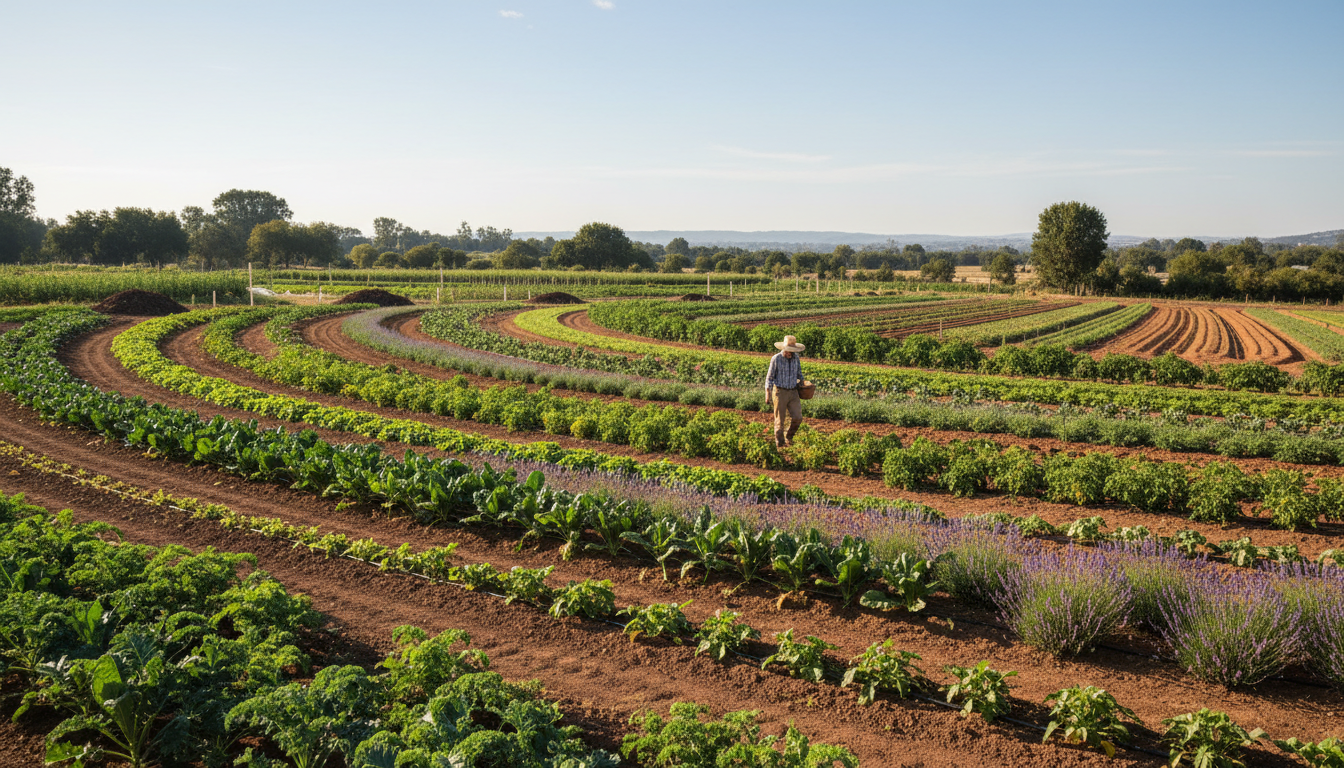
Organic farming is an agricultural method that emphasizes the use of natural processes and substances. It avoids synthetic fertilizers, pesticides, and genetically modified organisms (GMOs), focusing instead on maintaining ecological balance and biodiversity. This method is increasingly popular in Indonesia due to its environmental and economic advantages.
Benefits of Organic Farming
Organic farming offers numerous benefits. Firstly, it enhances soil fertility and structure, promoting long-term agricultural productivity. It also reduces pollution and conserves water by minimizing chemical runoff. For consumers, organic produce provides healthier food options free from harmful chemicals.

Implementing Organic Farming Techniques
Transitioning to organic farming requires careful planning and execution. Key techniques include crop rotation, composting, and the use of natural pest control methods. Crop rotation helps in maintaining soil nutrients, while composting enriches the soil with organic matter. Natural pest control involves using beneficial insects or plant-based repellents.
Crop Selection
Choosing the right crops is crucial for the success of an organic farm. In Indonesia, favorable crops include rice, soybeans, and various fruits such as bananas and papayas. These crops thrive in the local climate and soil conditions, making them ideal candidates for organic farming.
Challenges in Organic Farming
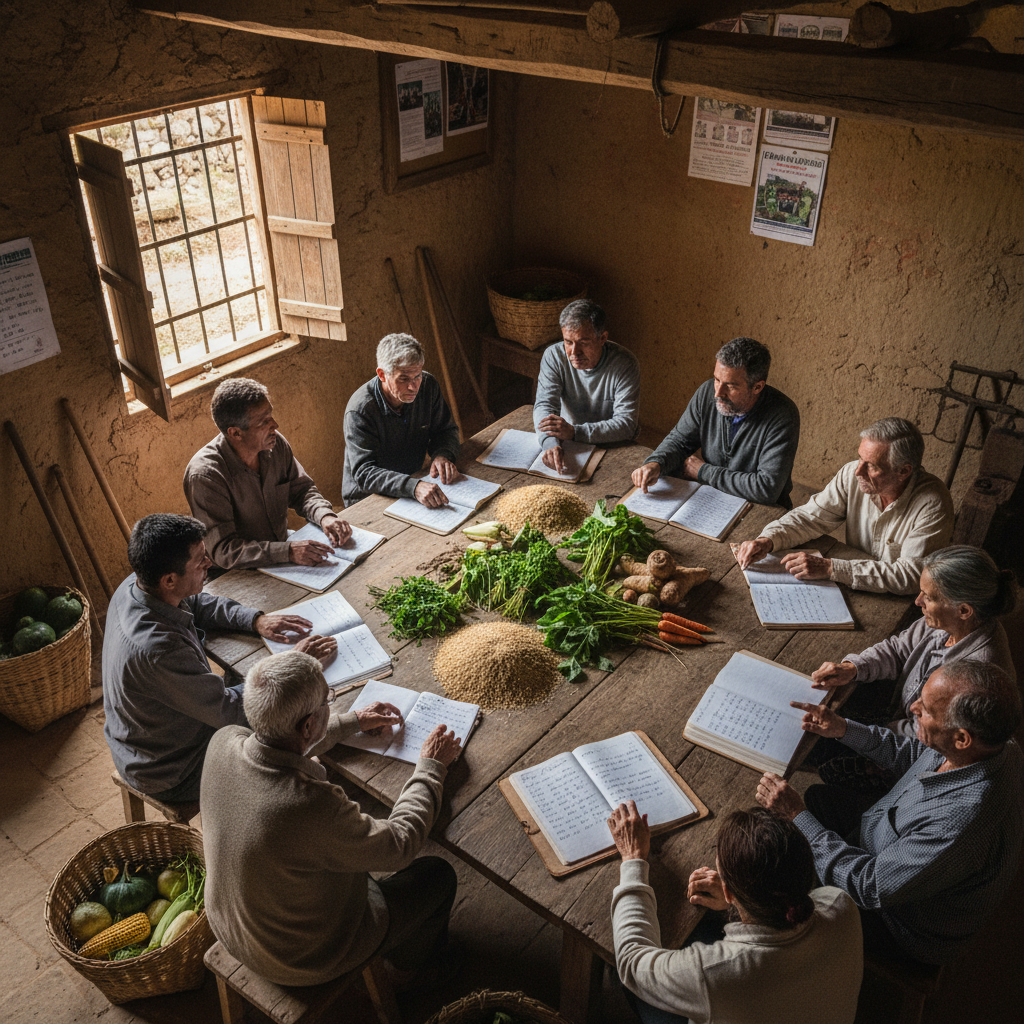
Despite its benefits, organic farming in Indonesia faces several challenges. The initial cost of transitioning from conventional to organic methods can be high. Farmers may also experience lower yields during the initial years. Additionally, there is a need for more education and resources to support farmers in adopting organic practices.
Overcoming Challenges
To overcome these challenges, farmers can seek assistance from government programs and non-governmental organizations that provide training and financial support. Community cooperation and knowledge sharing also play a vital role in the successful implementation of organic farming techniques.
In conclusion, organic farming in Indonesia holds great promise for sustainable agriculture. By understanding its principles and overcoming challenges, farmers can contribute to a healthier environment and a prosperous agricultural sector.