The Ultimate Guide to Sustainable Farming Practices at Sunrise Farm Lombok


Introduction to Sustainable Farming
Sunrise Farm Lombok has become a beacon of sustainability in agriculture, employing innovative techniques that prioritize the environment while maintaining productivity. By integrating traditional wisdom with modern technology, the farm sets a benchmark for others to follow.
Sustainable farming is not just a trend; it's a necessity for the future. At Sunrise Farm, every step is taken to ensure that farming practices are eco-friendly and beneficial for both the land and the community.
Water Conservation Techniques
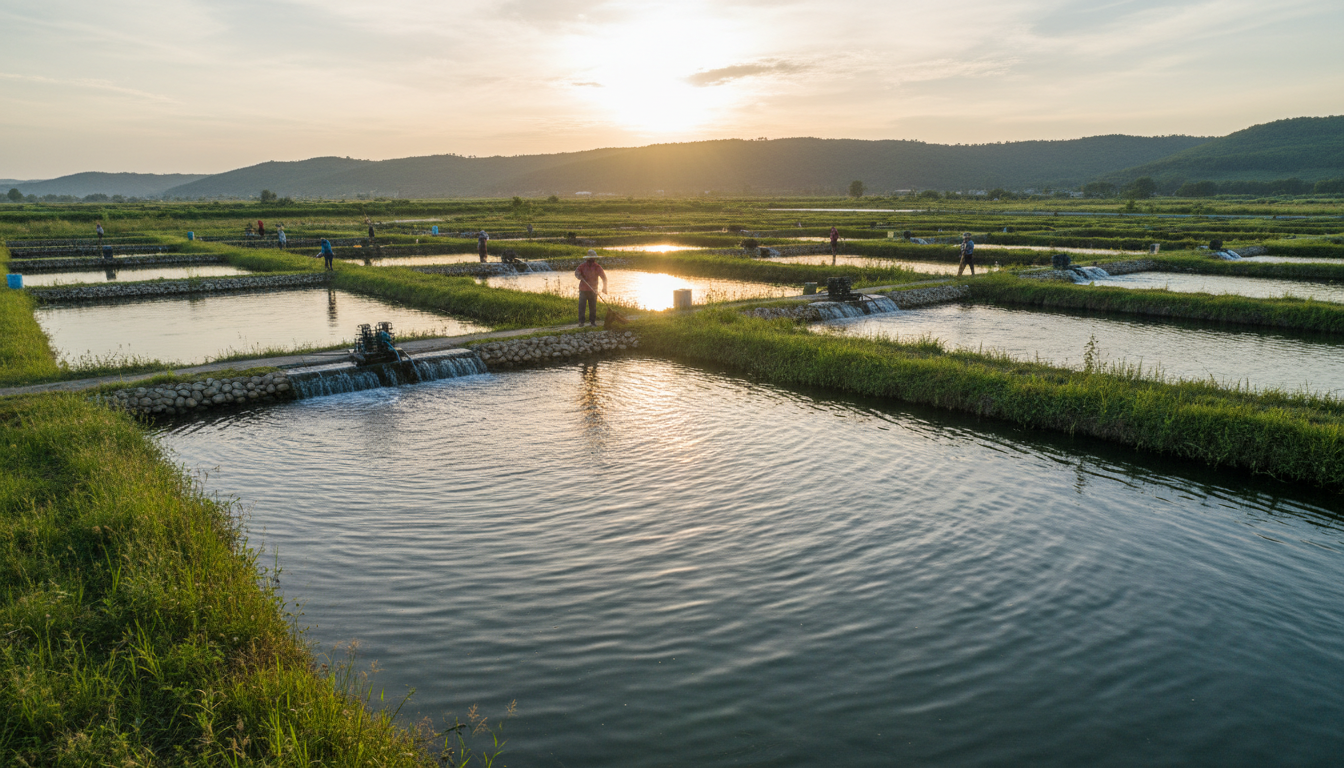
At Sunrise Farm, water conservation is a top priority. The farm uses a combination of rainwater harvesting and drip irrigation to minimize water waste. By collecting and storing rainwater, the farm reduces its reliance on external water sources, ensuring a sustainable supply even during dry seasons.
Drip irrigation systems deliver water directly to the plant roots, which significantly reduces evaporation and runoff. This method not only conserves water but also enhances plant growth by providing a consistent moisture level.

Soil Health and Management
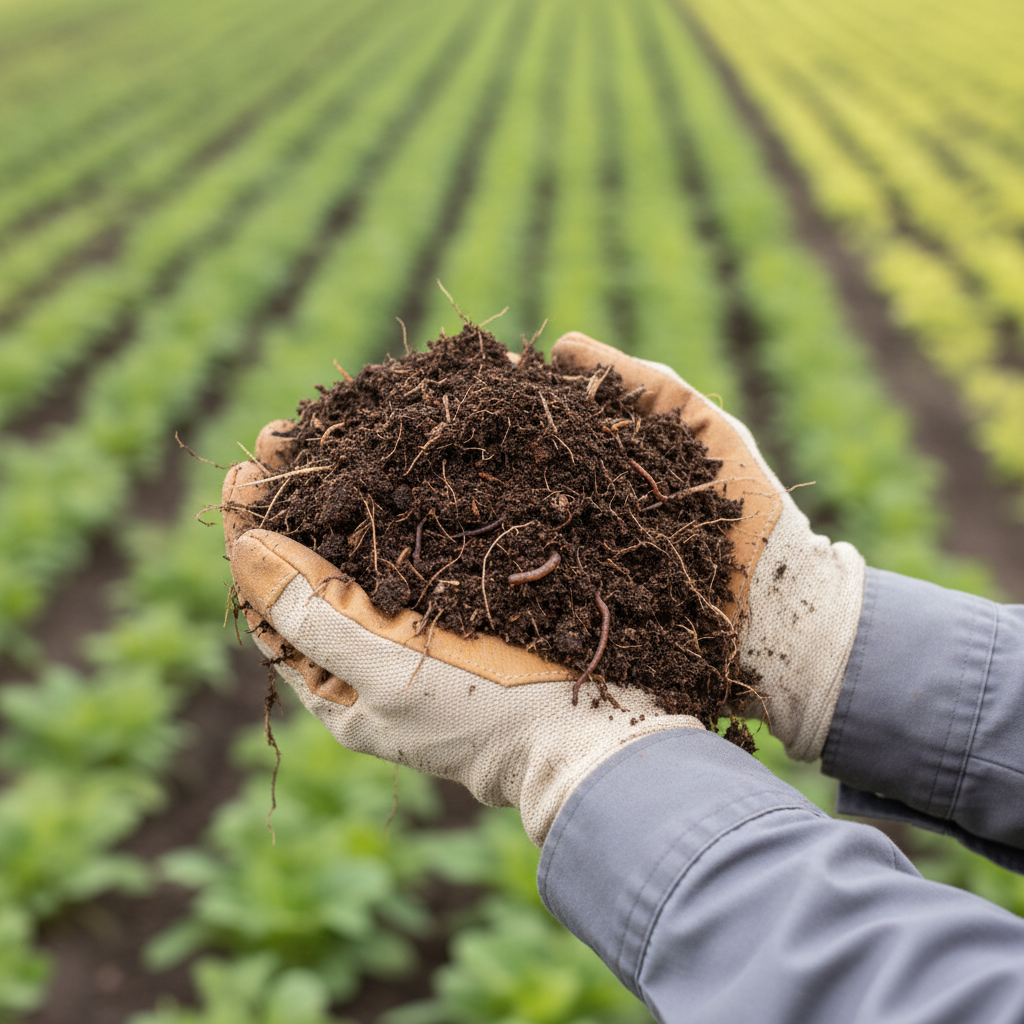
Maintaining soil health is crucial for sustainable farming. Sunrise Farm employs crop rotation and cover cropping to improve soil fertility and structure. These practices enhance the nutrient content and prevent soil erosion, ensuring long-term viability.
Organic matter, such as compost and green manure, is regularly added to the soil. This enriches the soil with essential nutrients and promotes the growth of beneficial microorganisms, leading to healthier crops.
Renewable Energy Usage
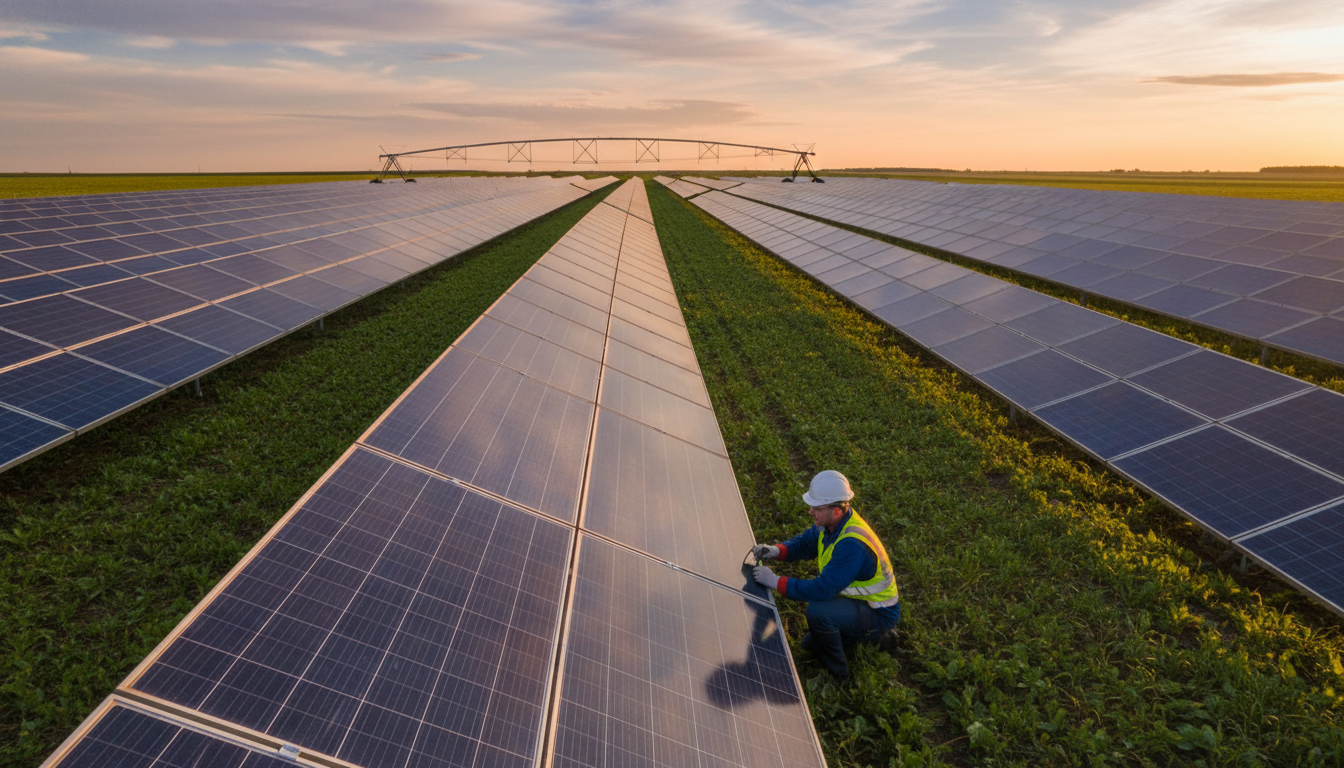
Sunrise Farm is committed to reducing its carbon footprint through the use of renewable energy sources. Solar panels are installed across the farm to harness solar energy, which powers various operations and machinery. This shift to clean energy not only reduces greenhouse gas emissions but also lowers operational costs.
Additionally, the farm explores biogas production from organic waste, turning potential waste into a valuable resource. This approach exemplifies how farms can contribute to environmental sustainability while benefiting economically.
Animal Welfare and Integration
Animal welfare is a core principle at Sunrise Farm. Livestock is integrated into the farming system in a way that benefits both the animals and the crops. For instance, rotational grazing is practiced to prevent overgrazing and promote pasture regrowth.
The farm also utilizes animal waste as a natural fertilizer, which reduces the need for chemical inputs and enhances soil fertility. This symbiotic relationship underscores the farm's holistic approach to sustainability.
Community Engagement and Education
Sunrise Farm believes in the power of community and education. By hosting workshops and farm tours, the farm educates visitors and local farmers about sustainable practices. These initiatives foster a culture of sustainability and inspire others to adopt similar methods.
The farm collaborates with local schools and organizations to promote environmental awareness and sustainable agriculture. This community-centric approach ensures that the benefits of sustainable farming extend beyond the farm itself.

Challenges and Future Goals
While Sunrise Farm has made significant strides in sustainability, challenges such as climate change and market pressures remain. The farm continuously seeks innovative solutions to these issues, aiming to lead by example in the sustainable farming movement.
Future goals include expanding renewable energy usage and enhancing biodiversity on the farm. By setting ambitious targets, Sunrise Farm strives to remain at the forefront of sustainable agriculture, contributing positively to the environment and society.