Understanding the Role of Agroforestry at Sunrise Farm Lombok


What is Agroforestry?
Agroforestry is a sustainable land management system that combines agriculture and forestry practices to create more productive and sustainable land-use systems. At Sunrise Farm Lombok, agroforestry is not just a practice; it is a philosophy that harmonizes both ecological and economic objectives.
By integrating trees and shrubs into crop and livestock farming systems, agroforestry offers a diverse range of benefits. These include improved biodiversity, enhanced soil fertility, and increased farm productivity. Through strategic planning, Sunrise Farm is leveraging these benefits to foster a more resilient agricultural model.

The Benefits of Agroforestry
At Sunrise Farm Lombok, the adoption of agroforestry has led to a significant transformation. Some of the key benefits observed include:
- Enhanced Biodiversity: The integration of various plant species creates a habitat for diverse wildlife, promoting a balanced ecosystem.
- Soil Health Improvement: Trees contribute organic matter to the soil, improving its structure and fertility.
- Economic Resilience: Diversification of farm produce reduces dependency on a single crop, enhancing financial stability.
This approach not only improves the farm's environmental footprint but also supports local communities by providing additional sources of income.

Agroforestry Practices at Sunrise Farm
Sunrise Farm implements several agroforestry techniques, each tailored to the local environment and community needs. These practices include:
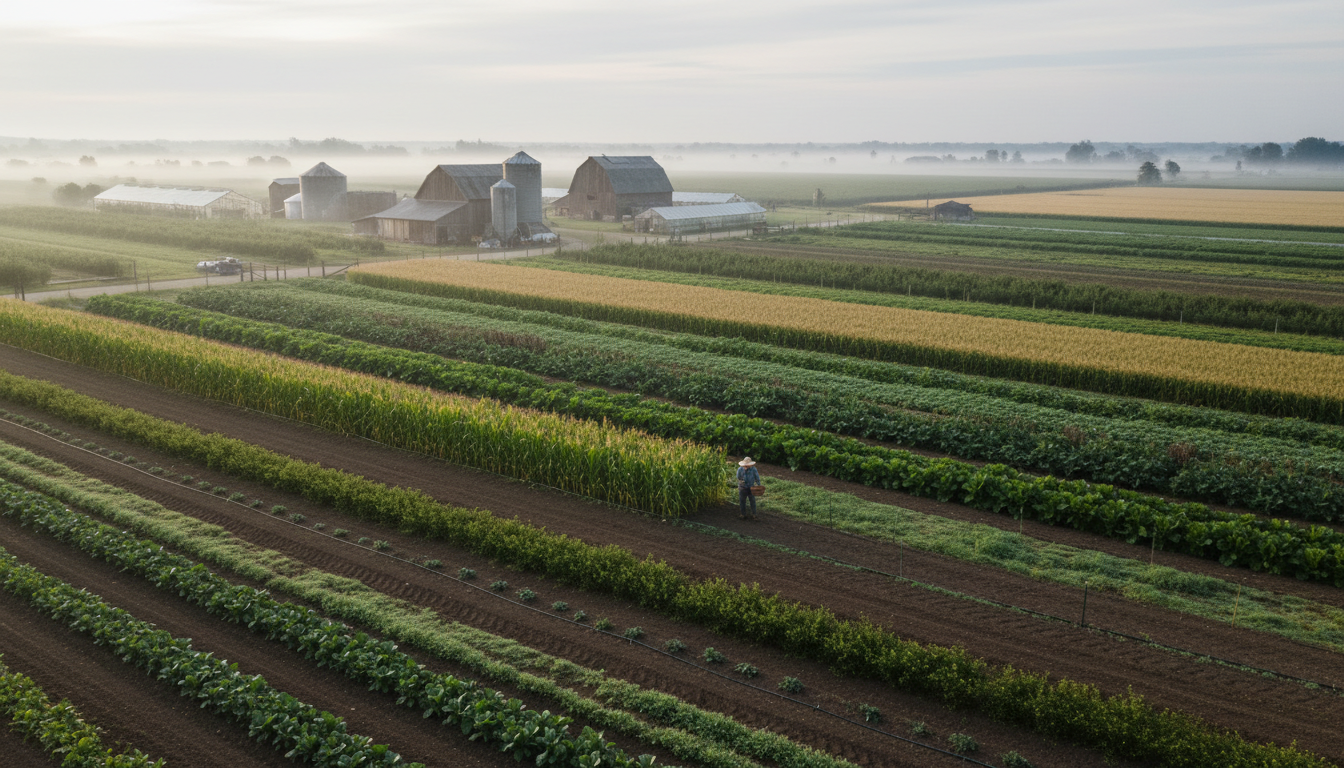
- Alley Cropping: Growing crops between rows of trees to maximize land use efficiency.
- Silvopasture: Combining forestry with livestock grazing to enhance productivity.
- Windbreaks: Planting trees to protect crops from wind damage while enhancing the landscape.
Each practice is carefully monitored and adjusted to ensure the best outcomes for both the farm and the surrounding ecosystem.
Community Impact
The impact of agroforestry at Sunrise Farm extends beyond the farm itself. By involving local communities in its initiatives, the farm promotes sustainable livelihoods and knowledge sharing. Workshops and training sessions are regularly conducted to educate farmers on the benefits and techniques of agroforestry.
This community-centric approach not only empowers local farmers but also ensures that sustainable practices are passed down to future generations.
Challenges and Opportunities
Despite its numerous benefits, agroforestry does present certain challenges. These include the initial investment in time and resources, as well as the need for continuous education and adaptation. However, the long-term benefits far outweigh these challenges.
Opportunities abound in the form of increased productivity, environmental conservation, and community development. Sunrise Farm is committed to overcoming these challenges and maximizing these opportunities for a sustainable future.

The Future of Agroforestry at Sunrise Farm
Looking ahead, Sunrise Farm Lombok aims to expand its agroforestry initiatives and continue its role as a leader in sustainable agriculture. By collaborating with research institutions and other farms, Sunrise Farm is at the forefront of developing innovative practices that can be replicated worldwide.
As more farmers and communities embrace agroforestry, the potential for positive environmental and social impact grows exponentially. Sunrise Farm remains dedicated to this mission, striving to create a more sustainable and prosperous future for all.